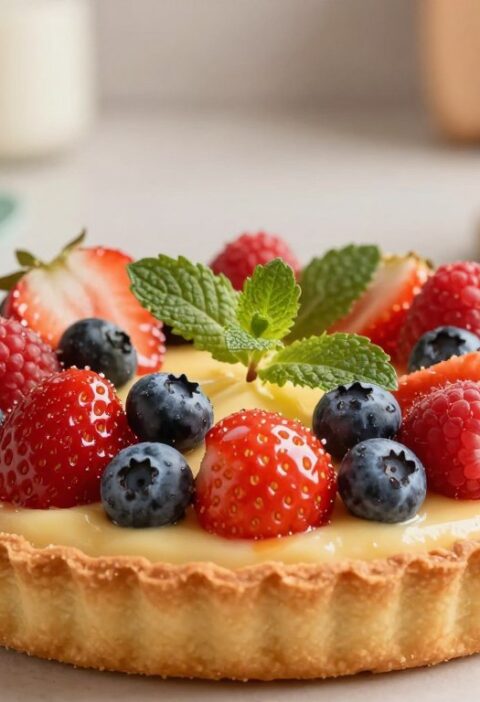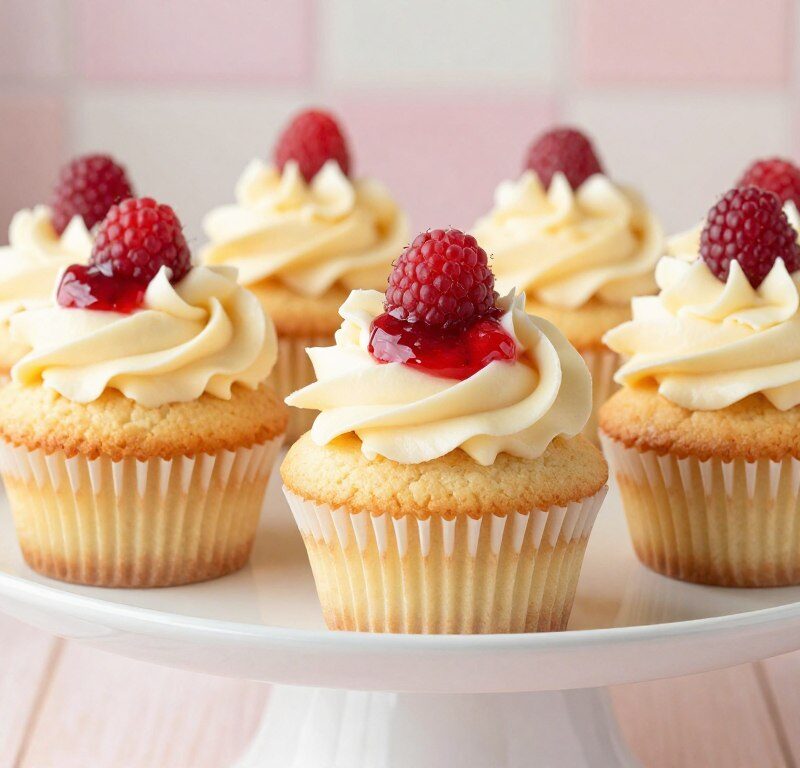
These miniature delights turn a classic British cake into bite-sized joy. The idea is simple: a light, buttery sponge filled with a swipe of jam and a dollop of cream. They are elegant yet easy to make, ideal for afternoon tea or a small celebration.
Mary Berry’s method keeps each mini cake moist, fluffy and full of flavour. The victoria sponge approach makes them simpler to serve and store than a large cake. Expect fuss-free preparation and a result that looks lovely on a plate.
Key Takeaways
- Mini versions keep the classic flavour while making serving easier.
- The sponge stays light and moist when mixed and baked carefully.
- A layer of jam and cream gives the traditional taste in a small form.
- They are perfect for parties, tea gatherings, or a homemade treat.
- The recipe is straightforward and saves time compared with a whole cake.
The Charm of Mary Berry Victoria Sponge Cupcakes
Turn a traditional layer cake into neat, gift-ready minis that bake in minutes. These perfectly portioned treats are ideal for sharing at afternoon tea or a small party.
The classic British flavour blends sweet jam, soft sponge and a cloud of cream. This sandwich-style approach gives a familiar taste in a tidy, elegant format.
Mary Berry’s reliable all-in-one method keeps the process simple and the batter ready in under 30 minutes. Baking in cupcake tins rather than large layers makes the cakes easier to serve and store.
Top each mini with a fresh strawberry for a bright, colourful finish. The result looks charming on a plate and travels well if you’re gifting or taking them to a gathering.
- Perfect portions for sharing
- Quick to make in under 30 minutes
- Classic jam-and-cream flavour, dressed with strawberry
Essential Ingredients for Your Baking
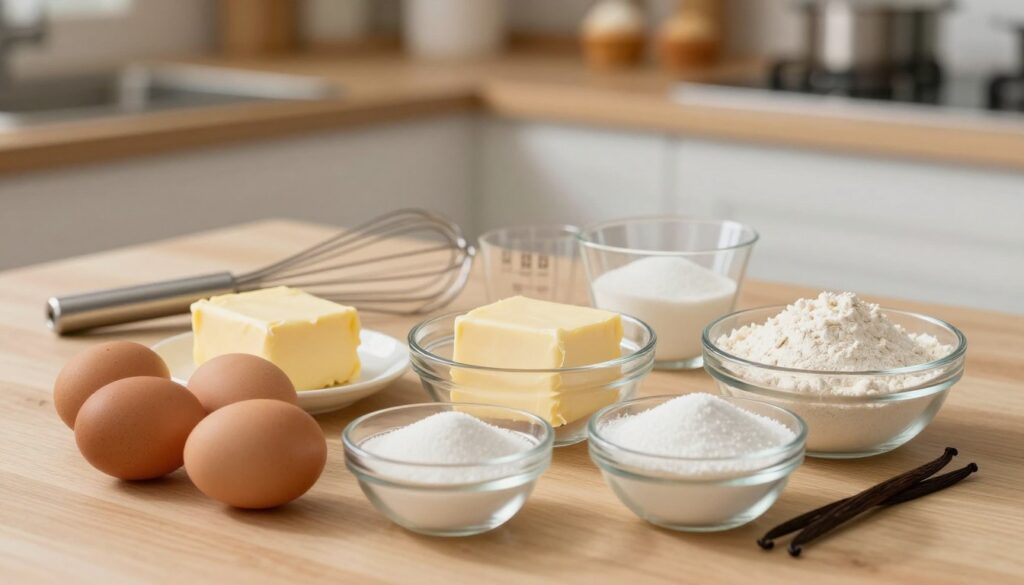
Gathering the right ingredients sets the foundation for a perfect bake every time. Keep everything measured and at room temperature so the batter blends smoothly in your bowl.
Dry Components
Use 175g self-raising flour and 175g caster sugar as a base.
If you only have plain flour, swap in 175g plain flour plus 1 tsp baking powder. This small adjustment gives the same lift and texture.
Wet Components
Soften 175g unsalted butter before creaming with 3 large eggs, 1 tsp vanilla extract and 1 tbsp milk. Soft butter helps the mixture emulsify and keeps the sponge light.
For filling, have 6 tbsp jam and 200ml double cream ready. Whip the cream with a little icing sugar if you prefer a sweeter finish.
- Tip: Use fresh eggs and real vanilla extract for the best flavour.
- Note: Keep a tsp of baking powder on hand if you need to convert plain flour.
Preparing the Perfect Sponge Batter
Begin with a warm oven and a lined muffin tin to keep the process moving.
Mixing Methods
Preheat the oven to 180°C (160°C fan) and line a 12-hole tray with paper cases. Add softened butter, caster sugar, eggs, flour, a pinch of baking powder and a splash of milk to a large bowl.
Beat the mixture for about 1 minute until smooth. This is the Mary Berry approach: a short, steady beat keeps the sponge light and airy.
Spoon the batter evenly into cases, filling each two-thirds full to avoid overflow. Bake as instructed and cool on a wire rack.
| Step | Time | Result |
|---|---|---|
| Beat in bowl | 1 minute | Smooth, airy mixture |
| Fill cases | — | Two-thirds full to prevent spill |
| Bake | Approx. 12–15 minutes | Light golden sponge |
Avoid overmixing. Too much stirring develops gluten from the flour and makes the crumb dense. Use a gentle hand for the best victoria sponge-style result.
Baking and Cooling Techniques
Careful baking and patient cooling are vital for great results. Preheat the oven to the temperature in your recipe and use the fan setting if it gives even heat. Bake the cakes for 18–20 minutes or until golden and springy to the touch.
Leave the tins to rest for 5 minutes after baking. This brief pause helps the sponge set and makes it easier to remove from the tin without tearing.
Transfer the cakes to a wire rack to cool completely. Do not fill while warm; cream or buttercream will melt and make the sponge soggy.
Whip 200ml double cream until soft peaks form, or beat 100g softened butter with 200g icing sugar for a classic buttercream. Use room-temperature ingredients so the mixture blends evenly and the cakes rise well during baking time.
Tip: Keep a tsp of baking powder on hand if you converted plain flour. A final dusting of caster sugar or a small strawberry on top finishes the look.
Filling and Decorating Your Cakes
Careful filling and simple decoration make each mini cake feel special. Work on a clean worktop with your wire rack ready and the cakes cool completely before you start. Short steps keep the finish neat and prevent the jam soaking in.
Whipping the Cream
Whip the double cream in a chilled bowl until soft peaks form. Add a little vanilla and a teaspoon of sugar if you like a sweeter jam cream.
Transfer the mixture to a piping bag fitted with a nozzle for tidy swirls, or use a spoon for a rustic look.
Coring the Cakes
Use a small knife or a cupcake corer to remove the centre from each cake. Remove about half the crumb to make room for jam and cream.
Place the lids to one side; you will replace them gently after filling to keep the top neat.
Adding the Jam
Pipe a thin layer of cream inside the hollow first to act as a barrier. This stops the jam from soaking into the sponge.
Add a spoonful of jam into each centre, then follow with jam cream or a swirl of piped cream. Replace the cake top and finish with a dusting of icing sugar or a single strawberry.
Expert Tips for Flawless Results
A few smart habits in the kitchen turn a good recipe into a foolproof one. Weigh your ingredients accurately to keep the sponge texture consistent and avoid surprises from volume measures.
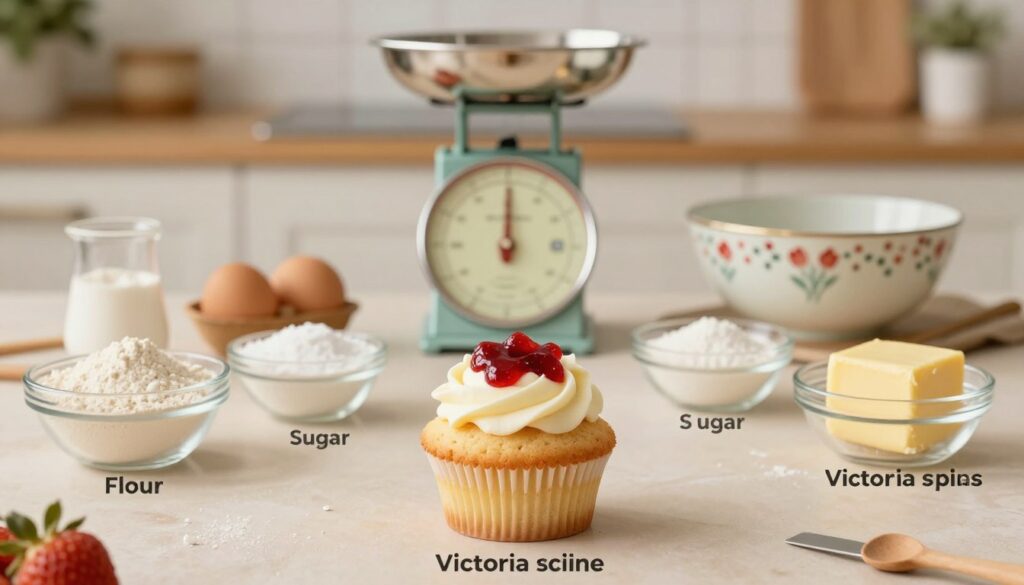
Use quality jam and real vanilla; they lift the flavour far more than fancy techniques. If you want a modern twist, add a chocolate drizzle or edible flowers to the top.
For citrus notes, fold a little lemon or orange zest into the batter or swap jam for lemon curd. Always let cakes cool fully before piping cream or jam cream to prevent melting.
Store filled cakes in an airtight container in the fridge and eat within 24 hours for best texture and taste. Use a piping bag fitted with a star nozzle for neat swirls; the right bag fitted choice makes piping quick and tidy.
- Check oven temperature with a thermometer for even results.
- Use unsalted butter and sift icing sugar for smooth icing.
- When topping, place half a strawberry on each for a classic finish.
Conclusion
A few tidy steps at the end turn good bakes into memorable bites for friends and family. Follow this simple recipe and you can make charming victoria sponge cake-style cakes in little time, often in under 30 minutes active time.
Keep ingredients at room temperature and avoid overmixing the batter. This helps the sponge stay light and moist and ensures the structure holds when filled.
Finish with a thin layer of jam and a swirl of cream. Use a piping bag and the right nozzle for neat icing, then add a small dusting on the top. Enjoy these moist, flavourful treats with friends and family — they make any occasion feel special.
FAQ
What size tin works best for making these mini sponges?
Can I swap caster sugar for granulated sugar?
How do I know when the sponges are fully baked?
Is baking powder essential and how much should I use?
Can I make the batter by hand, or do I need an electric mixer?
What flavourings work best besides vanilla extract?
How should I cool the cakes before filling and icing?
Which jam is best for sandwiching the sponges?
How do I whip double cream so it stays stable between the layers?
Can I prepare components in advance and assemble later?
What piping nozzle should I use for a classic finish?
Any tips to prevent the jam from soaking the sponge?
How long do filled and iced cakes keep at room temperature?
Can I use self‑raising flour instead of plain flour and baking powder?
Mary Berry Victoria Sponge Cupcakes
These miniature delights turn a classic British cake into bite-sized joy. The idea is simple: a light, buttery sponge filled with a swipe of jam and a dollop of cream. They are elegant yet easy to make, ideal for afternoon tea or a small celebration.
Ingredients
- 175g self-raising flour
- 175g caster sugar
- 175g unsalted butter, softened
- 3 large eggs
- 1 tsp vanilla extract
- 1 tbsp milk
- 6 tbsp jam
- 200ml double cream
- Icing sugar (optional, for sweetening cream)
Method
- Preheat the oven to 180°C (160°C fan) and line a 12-hole muffin tin with paper cases.
- In a large bowl, add softened butter, caster sugar, eggs, flour, a pinch of baking powder, and a splash of milk.
- Beat the mixture for about 1 minute until smooth.
- Spoon the batter evenly into cases, filling each two-thirds full.
- Bake for approximately 12–15 minutes until light golden and springy to the touch.
- Cool the cakes on a wire rack completely before filling.
- Whip the double cream until soft peaks form, adding a little icing sugar if desired.
- Use a small knife or cupcake corer to remove the center from each cake.
- Pipe a thin layer of cream inside the hollow, then add a spoonful of jam.
- Top with a swirl of whipped cream and replace the cake top.
- Finish with a dusting of icing sugar or a half strawberry on top.