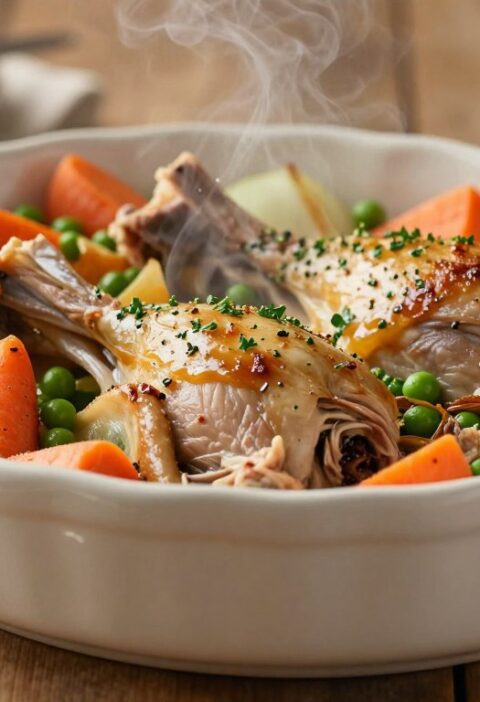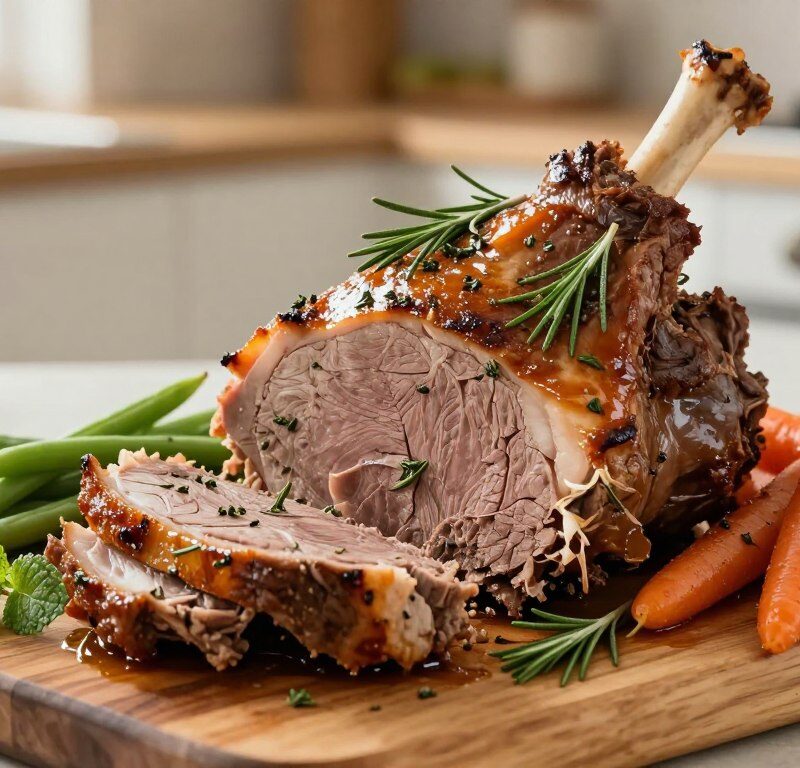
This classic British roast is a comforting centrepiece for family gatherings. It blends bone-in lamb with herbs, garlic and citrus to create rich, fragrant meat that stays succulent.
Slow cooking is key. A 2.2kg bone-in lamb shoulder serves six and benefits from low oven heat and a gentle roast to reach a melt-in-the-mouth texture.
Start by seasoning the joint with fresh herbs and garlic, then cover with aluminium foil for the initial roasting to retain moisture. Preheat the oven to 170°C (150°C fan) and allow several hours for best results.
When the roast is done, rest the meat for at least 20 minutes so the juices redistribute. The result is a tender, flavourful main that honours a time-honoured approach and brings people together.
Key Takeaways
- Use a 2.2kg bone-in joint to serve six for a traditional Sunday lunch.
- Season well with herbs, garlic and citrus for depth of flavour.
- Cook slowly at 170°C (150°C fan) for tender results.
- Cover with aluminium foil early on to keep the meat moist.
- Rest the roast for at least 20 minutes before carving.
Why Choose the Mary Berry Easter Lamb Shoulder Recipe
Long, gentle cooking brings out the best in a shoulder, turning tough fibres into soft, succulent meat.
Slow roasting works because the marbled fat gradually renders, keeping the meat moist and full of flavour.
The long heat also breaks down connective tissue. This creates a tender texture that makes the joint ideal as a traditional centrepiece.
The Appeal of Slow Cooking
Choose a tried-and-tested method and you save effort for great results. The slow process needs patience but not constant attention.
Infusing the joint with garlic, rosemary and a touch of lemon gives depth without fuss. The fat carries those flavours through every slice.
Traditional Centrepiece
- Comforting and flavour-packed: classic recipes bring everyone to the table.
- Low effort, high reward: most of the time is passive cooking.
- Perfect for sharing: the roast practically falls apart when ready.
Essential Ingredients for Your Roast
A successful joint starts with quality produce and a well-lined roasting tin. Gather a 2.2kg bone-in lamb shoulder, fresh herbs and basic pantry items.
Key ingredients include 4 sliced garlic cloves tucked into the meat and 2 tbsp chopped rosemary to scent the crust.
Line the base of the tin with 1 large sliced onion and pour in 250ml of lamb or chicken stock. Add 2 tbsp olive oil to coat the joint and keep the roast moist.
“Use fresh lemon zest and good seasoning to lift the rich meat.”
- Season with 1½ tsp sea salt and 1 tsp freshly ground black pepper.
- A little lemon zest balances richness in these classic recipes.
Tip: Choose top-quality ingredients and measure the tbsp quantities exactly for consistent results with this mary berry recipe.
Preparing the Lamb for the Oven
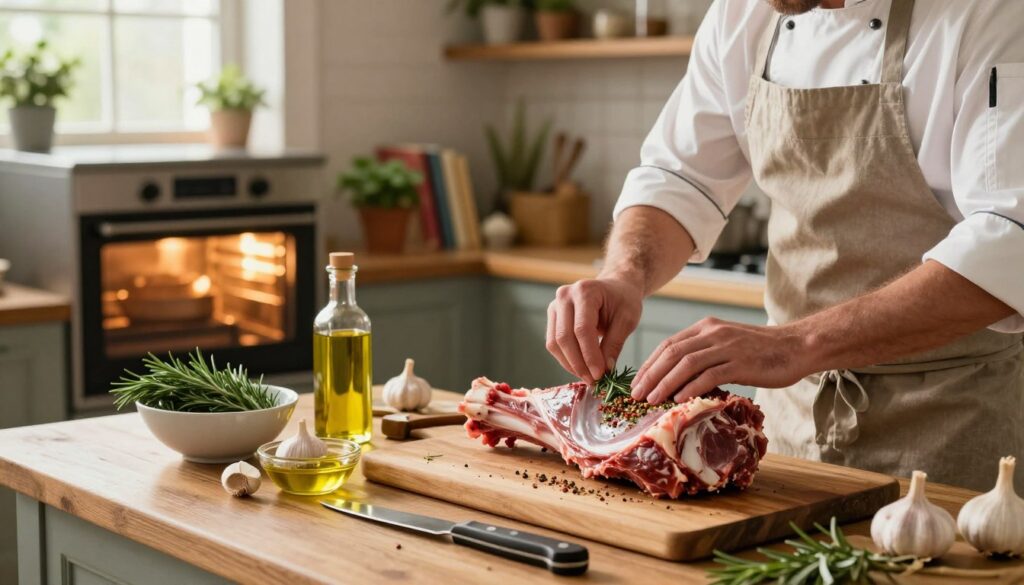
Take twenty minutes to set up the joint correctly and the roast will reward you. Prepare the joint by patting the meat dry, then score the surface in a shallow criss-cross to help flavours sink in.
Scoring and Seasoning Techniques
Make small slits across the lamb top and push in slices of garlic and sprigs of rosemary. This ensures the aroma reaches deep into the meat.
- Pat dry the joint and score lightly so seasonings penetrate.
- Insert garlic cloves and rosemary into the slits on the lamb top.
- Rub with 2 tbsp olive oil, lemon zest, sea salt and black pepper for a seasoned crust.
- Scatter sliced onions in the roasting tin and place the joint on top. Pour chicken stock around the base, not over the meat.
- Preheat the oven to 170°C (150°C fan). Use a loose piece of foil to cover the roast to prevent burning.
- Allow roughly 20 minutes of prep time before the slow roasting time begins.
Tip: For a reliable result follow these steps and the mary berry approach to seasoning for even, flavourful roasting.
The Art of Slow Roasting
Low, steady heat transforms a joint into tender, pull-apart meat over several hours. For this approach roast the lamb for 3–3½ hours at 170°C (150°C fan), covered loosely with foil to keep moisture in.
Use a deep roasting tin lined with sliced onions and 250ml of chicken or lamb stock. Place the joint directly on the onions or on a rack above them so heat circulates evenly.
Check the tin every so often and baste the meat with the pan juices to boost flavour and prevent drying. If the liquid looks low, add a little more stock to maintain a moist cooking environment.
Keep the oven temperature steady so connective tissue breaks down slowly; that is what creates the classic fall-apart texture in these recipes.
- Roast 3 to 3½ hours at 170°C (150°C fan).
- Cover loosely with foil and baste periodically.
- Ensure the roasting tin contains onions and stock for aromatic steam.
For a related variation, see the Moroccan lamb tagine for different spicing and slow-cooked results.
Achieving the Perfect Crispy Exterior
For a deeply browned exterior, remove the covering and let the oven work on the skin for the last thirty minutes.
Remove the foil for the final 30 minutes of roasting. This step lets the high heat caramelise the fat and turns the surface golden rather than steaming it.
Brush the joint lightly with oil before this step to encourage even browning. Keep an eye on the temperature and the colour to avoid burning.
Use a thermometer to check the internal temperature; aim for around 90°C for a fall-apart texture. The contrast between crisp skin and tender meat makes the effort worthwhile.
In your kitchen you will smell the roast as the fat renders and the skin crisps. If you have a gas oven, watch closely since heat can be more intense.
“Removing the foil in the final minutes is the single best move to get a professional finish.”
Resting the Meat for Maximum Succulence
Resting is the quiet finish that makes a roast shine. Once the joint comes from the oven, cover it loosely with foil and leave it for 20–30 minutes. This pause is not idle — it is essential.
Why rest? The resting period lets the hot juices move back into the fibres. If you carve too soon those juices will run out and the roast lamb will be drier and less flavourful.
Resting also relaxes the cooked meat so it becomes easier to carve. The texture firms slightly and each slice holds more moisture.
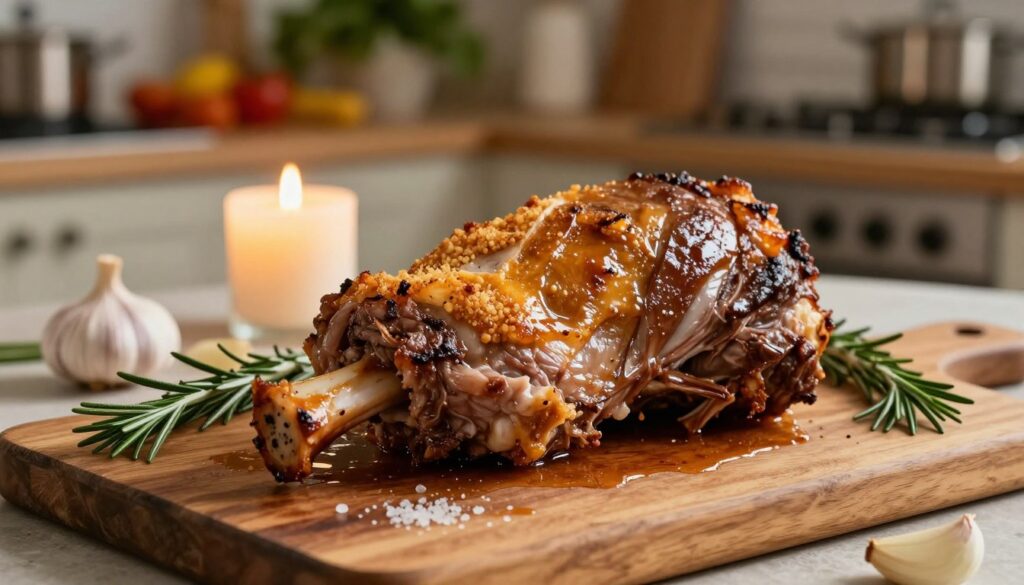
“Allowing the joint to rest for twenty to thirty minutes under loose foil is the single best step to keep every slice juicy.”
- Remove from the oven and tent with a loose piece of foil for 20–30 minutes.
- Keep the covering loose so the skin does not go soggy while the juices settle.
- Use the minutes to prepare sides; the meat will become more tender and easier to carve.
For a different take after resting, try a warm, spiced side such as a lamb moussaka to complement your roast.
Recommended Side Dishes and Accompaniments
A few classic sides transform a roast into a feast. Choose dishes that add crisp texture, bright acidity and seasonal colour to complement the main joint.
Classic Roast Potatoes
Crisp roast potatoes are essential. Parboil chunks, shake the edges, then roast in a little olive oil until golden.
They soak up the pan juices from the lamb and make every bite more satisfying.
Fresh Mint Sauce
Make a simple mint sauce with chopped fresh mint, a splash of vinegar and a pinch of sugar. This tangy sauce brightens the rich meat and cuts through fat.
Serve in a small dish so guests can add as much or as little as they like.
Seasonal Vegetables
Include steamed green beans, carrots or new potatoes for colour and balance. Toss vegetables with a knob of butter and 1 tbsp chopped herbs to echo the roast’s seasoning.
Mary Berry often recommends keeping veg simple so the main flavours remain the star.
- Serve the joint with roast potatoes to catch pan juices.
- Use a little olive oil to ensure a crisp, golden potato exterior.
- A homemade mint sauce is the classic accompaniment to balance richness.
- Seasonal vegetables add colour, texture and nutrition to the plate.
“The right side dishes can turn a simple roast into a complete, balanced meal.”
Expert Tips for Handling Leftovers
Smart storage and gentle reheating lift next-day roast meat back to life.
Store cold slices in an airtight container and refrigerate for up to 3 days.
For longer keeping, freeze portioned meat for up to 2 months so you can enjoy these recipes later.
When reheating, place slices in a covered dish at 160°C. Add a splash of stock to prevent drying and heat gently until piping hot.
To revive texture, drizzle 1 tbsp of olive oil or a little oil over the meat before warming. This helps the crust and stops fibres tightening.
The garlic, rosemary and lemon seasoning will deepen overnight, so leftovers often taste richer. Season lightly with salt and pepper if needed after reheating.
- Cool portions quickly before chilling to keep them safe.
- Use frozen slices in pies, salads or sandwiches for fuss-free meals.
- Always ensure the meat reaches a safe serving temperature before eating.
| Storage | Duration | Best use |
|---|---|---|
| Refrigerator (airtight) | Up to 3 days | Sandwiches, salads, quick reheat |
| Freezer (portion) | Up to 2 months | Stews, pies, reheated slices |
| Reheat method | 160°C covered | Add stock + 1 tbsp olive oil |
“Treat leftovers with care and you’ll get as much joy from them as the first roast.”
Common Roasting Mistakes to Avoid
Small mistakes in the oven or tin choice often cause the meat to dry out and lose flavour.
Avoid high temperature. Roasting at too high a temperature makes the fibres tough. For shoulder cuts, keep the temperature low and slow for several hours to let fat and connective tissue soften.
Use enough stock in the roasting tin. A shallow tin with little or no liquid dries the base and reduces pan juices. Pour in chicken or lamb stock so the joint cooks in a moist environment.
Season well. Under-seasoning or skimping on salt, pepper, garlic cloves and rosemary leaves the roast bland. Rub with olive oil and lemon zest, then finish with a little extra seasoning before carving.
- Don’t guess cooking time — use a meat thermometer to check internal temperature.
- Choose a proper roasting tin so heat distributes evenly and fat can render.
- Never skip the resting time; let the juices settle for 20–30 minutes before carving.
“Avoiding these simple errors keeps the roast succulent, flavoursome and reliably tender.”
Conclusion
Gentle, patient cooking turns a modest cut into a memorable, flavoursome centrepiece. Follow the mary berry approach to slow roasting and you will get tender, succulent results every time.
Patience is the secret ingredient. Low heat, steady time and a final rest lock in the juices and improve every slice of meat.
Use the lamb shoulder method outlined here as a guide. The roast will reward careful seasoning and simple sides that let the main flavour shine.
These mary berry tips and recipes aim to help you present a classic, comforting table. Serve with confidence and enjoy the praise.
FAQ
How long should I slow roast a shoulder of lamb for a tender result?
What temperature is best for roasting in a fan oven?
Should I score the fat and how should I season the joint?
Is it better to cover the lamb with foil while roasting?
How do I make crispy roast potatoes to go with the meat?
Can I use chicken stock to make a gravy from the pan juices?
How long should the meat rest, and why is resting important?
What herbs and aromatics pair well with roasted lamb?
How can I adapt the recipe for a larger or smaller shoulder?
What are common mistakes to avoid when roasting a shoulder?
How should I store and reheat leftovers safely?
Can I prepare the joint the day before to save time?
Is mint sauce easy to make from scratch?
Mary Berry Easter Lamb Shoulder Recipe
This classic British roast is a comforting centrepiece for family gatherings, blending bone-in lamb with herbs, garlic, and citrus for rich, fragrant meat that stays succulent.
Ingredients
- 2.2kg bone-in lamb shoulder
- 4 sliced garlic cloves
- 2 tbsp chopped rosemary
- 1 large sliced onion
- 250ml lamb or chicken stock
- 2 tbsp olive oil
- 1½ tsp sea salt
- 1 tsp freshly ground black pepper
- lemon zest
Method
- Preheat the oven to 170°C (150°C fan).
- Pat the lamb shoulder dry and score the surface in a shallow criss-cross pattern.
- Insert garlic cloves and rosemary into the slits on the lamb.
- Rub the lamb with olive oil, lemon zest, sea salt, and black pepper.
- Line the base of a deep roasting tin with sliced onions and place the lamb on top.
- Pour the stock around the base of the lamb, ensuring not to pour it over the meat.
- Cover the lamb loosely with aluminium foil and roast for 3 to 3½ hours.
- Baste the lamb periodically with the pan juices and check the liquid level, adding more stock if necessary.
- Remove the foil for the last 30 minutes of roasting to allow the skin to crisp up.
- Once cooked, remove the lamb from the oven and tent it loosely with foil for 20–30 minutes before carving.