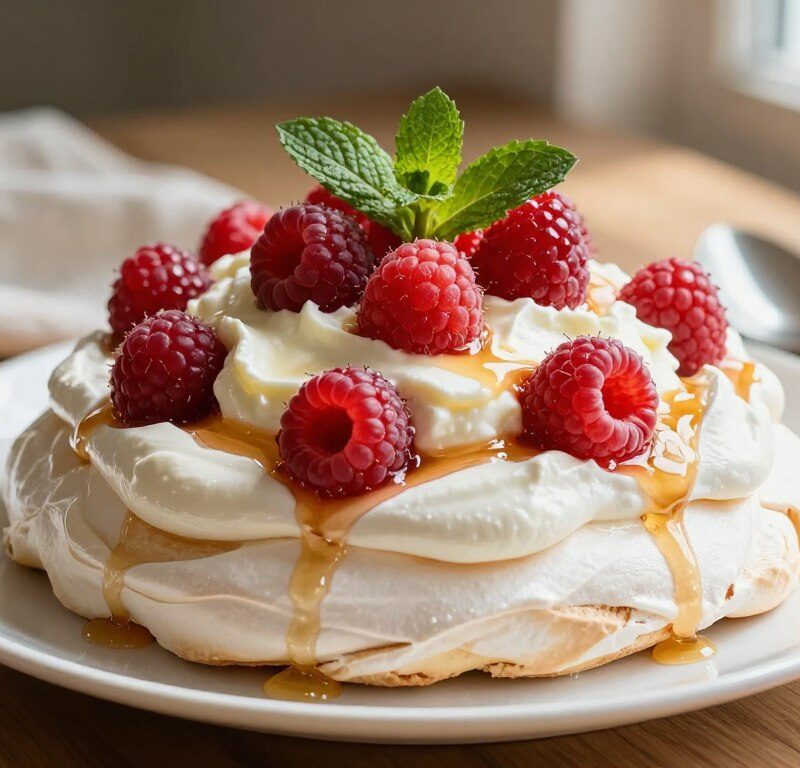
This elegant fusion brings together the crisp shell of a classic pavlova with the creamy, fruity notes of traditional Scottish cranachan.
The result is a light yet indulgent dessert that feels celebratory but is simple to make. A glossy meringue gives a crunchy exterior and a soft, marshmallow-like centre ready to cradle whipped cream and tart summer fruit.
Follow this clear recipe and you will learn each careful step, from whisking spotless egg whites to shaping a neat 23cm base that holds the toppings. Expect tips on stabilisers, baking temperature and cooling so the shell stays crisp.
Whether you are hosting friends or practising your baking skills, this showstopping dish showcases seasonal fruit and straightforward technique. For full ingredient amounts and step-by-step guidance, see the detailed version of the recipe here.
Key Takeaways
- The dish fuses crisp meringue with creamy, fruity fillings.
- Use fresh, seasonal fruit for the best flavour and presentation.
- Spotless bowls and room-temperature whites give maximum volume.
- Stabilisers and slow cooling help keep a soft centre and crisp shell.
- This recipe is approachable for both novice and experienced bakers.
The Allure of the Mary Berry Cranachan Pavlova
Crisp meringue cushions a whipped, whisky-scented cream and jewel-bright fruit for a memorable finish.
This cranachan pavlova blends the airy texture of a pavlova with true traditional scottish flavours. It layers soft whipped cream with toasted oats, a splash of whisky and bright raspberries for contrast.
The dish feels celebratory yet remains remarkably light. The whisky lends depth without heaviness and the fruit cuts through the sweetness.
Toasted oats add a pleasant crunch against the tender meringue and cloud-like cream. That textural play is what makes this dessert stand out at gatherings.
| Component | Texture | Flavour Role |
|---|---|---|
| Meringue base | Crisp outside, soft centre | Light sweetness, supports toppings |
| Whipped cream + whisky | Silky | Richness with warm spirit notes |
| Toasted oats | Crunchy | Nutty contrast, traditional scottish touch |
| Raspberries & fruit | Juicy | Acidity to balance sweetness |
Serve this dessert when you want elegance without fuss. It’s layered, textural and perfect for summer menus and festive meals alike.
Essential Ingredients for Your Meringue Base
A strong meringue base starts with clean equipment and top-quality whites. Use 4 large egg whites at room temperature for the best volume and stability. Fresh, properly warmed whites whisk better and reach higher peaks.
How to handle the sugar
Gradually add 225g caster sugar while whisking on full speed. Add a spoonful at a time until the mixture is thick and glossy. This slow sugar incorporation creates the structure that survives long, slow baking.
Egg White Quality
Spotless bowls and fresh eggs are essential. Any trace of fat stops the whites from mounting properly. Aim for stiff, glossy peaks before folding in stabilisers.
Sugar Incorporation
Once glossy, fold in 1 teaspoon cornflour and 1 teaspoon white wine vinegar. The cornflour and vinegar stabilise the meringue and help retain a soft centre after baking.
| Ingredient | Amount | Role |
|---|---|---|
| Large egg whites | 4 whites | Volume and structure |
| Caster sugar | 225g | Sweetness and stability |
| Cornflour | 1 tsp | Soft centre retention |
| White wine vinegar | 1 tsp | Acid to stabilise peaks |
Preparing the Cranachan Topping Components
Prepare each topping separately so the textures stay distinct and the flavours remain bright. mary berry suggests doing this to keep the cream fresh and the oats crunchy.
Measure 300ml double cream and chill it. Whip to soft peaks so it easily spreads over the meringue base without collapsing.
Toast 50g porridge oats in a dry pan until golden. Cool them completely: that toasting gives the nutty crunch that lifts the topping.
Use 250g fresh raspberries for colour and a tart edge that balances the sweet cream. Choose the best-quality fruit you can find.
If you like, fold in 1–2 tablespoons of whisky to the cream for a warm, traditional note. Keep the spirit light so the topping stays elegant.
Make ahead tip: You can prepare the oats and fruit in advance. Keep the whipped cream refrigerated until assembly for the best result.
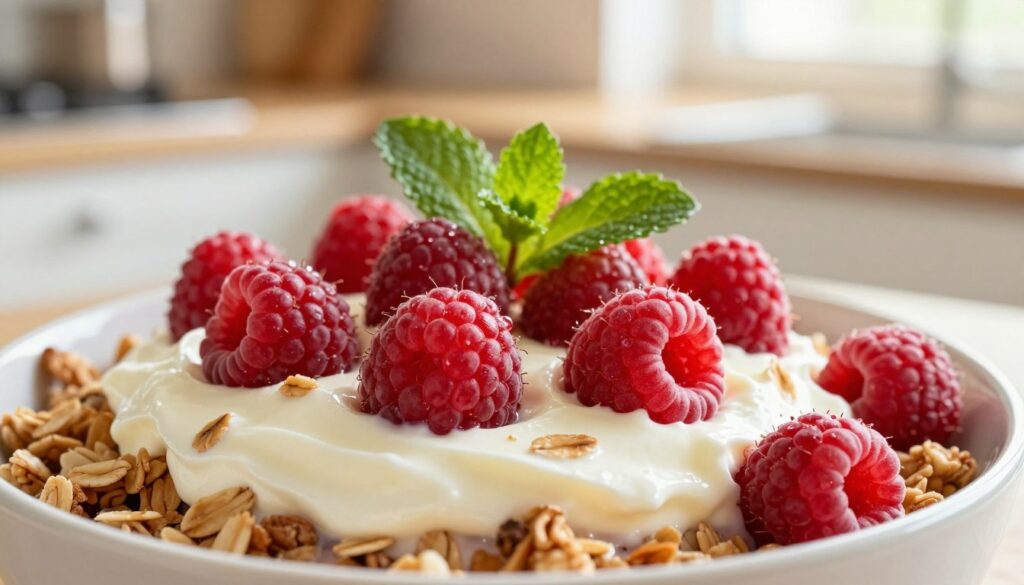
- 300ml double cream — whipped to soft peaks
- 50g porridge oats — toasted until golden
- 250g fresh raspberries — quality fruit for best flavour
- 1–2 tbsp whisky — optional, adds warmth
Mastering the Perfect Meringue Texture
Perfect meringue depends on gentle handling and a couple of clever stabilisers. This short step makes all the difference when you want a crisp shell and a soft centre for your pavlova.
The Role of Vinegar and Cornflour
Fold in the cornflour and white wine vinegar very gently so you do not knock out the air you have whisked into the whites. Use a light hand and wide, sweeping motions.
The acidity from the vinegar strengthens the protein network in the egg whites. That extra support helps the meringue keep its shape during long, slow baking.
Cornflour acts as a subtle binder. It holds moisture in the centre and stops the shell collapsing while the outside crisps.
- Mary Berry stresses these two ingredients create a stable meringue that is crisp outside and soft inside.
- Gently folding preserves the tiny air bubbles that give the meringue its light texture.
- Master this step and your dessert will carry the cream and fruit without sagging.
Step by Step Baking Instructions
Start with a correctly heated oven to ensure the shell crisps while the centre stays soft. Preheat oven to 140°C (285°F) and line a tray with parchment before you begin.
Whisk the large egg whites until stiff peaks form. Gradually add the caster sugar, a spoonful at a time, until the mixture is thick and glossy.
Gently fold in the vinegar and cornflour. Then spoon the meringue onto the tray and shape it into a circle with a dip in the centre to hold the topping.
Bake the pavlova for 1 hour, then turn off the oven and leave it to cool inside with the door slightly open. This slow cooling process is vital for keeping the structure and preventing cracks.
- Check temperature: even small heat variations affect the result.
- Baking time: the hour is the active time, but cooling time matters just as much.
- Final texture: follow these steps and you will get a light meringue base ready for the toppings.
How to Toast Oats for Added Crunch
Dry-frying porridge oats in a pan over medium heat gives them a lovely, nutty crunch.
Place clean, dry porridge oats in a dry pan and set the hob to medium heat. Stir constantly so the oats colour evenly.
Watch closely: the change from golden to bitter happens fast. When you see a warm, toasty colour, remove the pan from the heat at once.
For a touch of sweetness, scatter a small pinch of sugar into the pan near the end and toss quickly to create a light caramel hint.
“Toasted oats add a rustic, traditional touch and a welcome contrast to soft cream and meringue.”
Leave the oats to cool completely on a plate before using. If not assembling straight away, seal them in an airtight container so they stay crisp and fresh.
- Use a dry, clean pan for best results.
- Do not transfer to the oven to toast; the pan gives better control over colour and heat.
- These toasted oats are essential for texture and flavour contrast.
Assembling Your Showstopping Dessert
This final stage balances timing and a light touch to keep the shell crisp and the cream airy.
Whipping the Cream
Whip cream with a little honey until it reaches soft peaks. Use chilled cream and a cold bowl for best lift.
Adding the Whisky
Gently stir in the whisky once the cream is almost ready. Fold briefly so the mixture keeps its volume and flavour.
Final Decoration
Use a large spoon to dollop the cream into the centre of the meringue circle. Spread lightly to avoid breaking the crisp top.
Scatter fresh raspberries and toasted oats across the top. Drizzle a touch more honey just before serving to give a glossy finish.
Tip: Assemble as close to serving time as possible so the dessert keeps its contrast of textures.
| Element | Action | Result |
|---|---|---|
| Cream | Whip to soft peaks, fold in whisky | Silky, slightly boozy topping |
| Placement | Dollop in centre with a spoon | Neat circle, rustic look |
| Finish | Scatter raspberries and oats, drizzle honey | Colourful, crunchy, glossy top |
Expert Tips for Preventing Meringue Cracks
Preventing splits in your meringue relies on two simple actions: steady temperature and gradual cooling.
Start with well-whisked egg whites. Use a clean bowl and beat to soft peaks so the structure is stable before you fold in sugar and a little vinegar.
When baking, keep the oven low and consistent. Bake for an hour and watch the colour. If the top browns too quickly, lower the temperature slightly for the remainder of the hour.
After the bake hour is complete, turn off the oven and leave the pavlova inside. Leave the door slightly ajar so the meringue cools slowly and does not suffer a shock that causes cracks.
Small checks make a big difference. Ensure your whites reach firm peaks and that your oven temperature is steady during baking. These steps cut the chance of splits and give a glossy, unbroken meringue surface.
“Bake low and slow, then cool gently in the oven to avoid sudden temperature changes.”
| Issue | Fix | Why it works |
|---|---|---|
| Cracks | Lower oven temperature | Reduces rapid expansion and browning |
| Shock cooling | Turn oven off and leave inside | Gradual cooling prevents splits |
| Weak structure | Whisk whites to soft peaks | Stable peaks support the shell |
Creative Variations and Flavour Twists
A few clever ingredient changes will lift this dessert into new flavour territory.
Try mixing Greek yoghurt with the double cream for a lighter topping that keeps a silky mouthfeel. This swap reduces richness while keeping the whipped texture intact.
Swap raspberries for strawberries or scatter dark chocolate shavings on the top for a richer finish. If you want a different crunch, use flaked almonds instead of toasted oats.
Prefer no alcohol? Replace the whisky with a good-quality vanilla extract to retain warm depth. For a festive look, add pomegranate seeds or sugared rosemary sprigs.
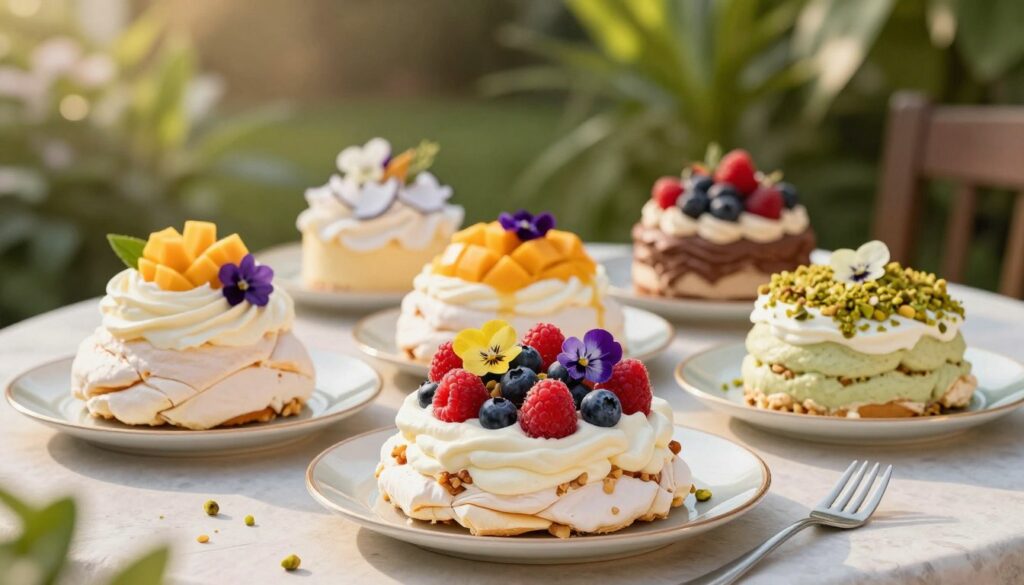
- Make-ahead: bake the meringue base a day early and store airtight.
- Balance: always check sugar levels—caster sugar sweetness should still complement the toppings.
- Toasting tip: toast oats in a dry pan over medium heat for even colour.
mary berry encourages home cooks to personalise the recipe, so don’t be afraid to play with flavours and textures.
Storage and Serving Suggestions
Plan your assembly time carefully so textures stay distinct at service.
Store the baked meringue base in an airtight container at room temperature. This protects the crisp shell and keeps the centre soft.
Do not assemble the dessert in advance. The cream will soften the meringue and ruin the contrast of textures.
Just before serving, whip cream to soft peaks and gently stir whisky into the mixture. This keeps the topping fresh, light and full of flavour.
Serve the pavlova at room temperature rather than straight from the fridge. Warmed slightly, the cream tastes silkier and the sugar in the shell is more pronounced.
- Leftovers should be eaten within 2 days; texture is best on day one.
- Serve on chilled plates to keep the cream cool during the meal.
- Do not reheat in the oven — this will collapse the meringue.
| Action | Why it matters | Timing |
|---|---|---|
| Store base airtight | Preserves crisp shell | Up to 1 day at room temperature |
| Whip cream & stir whisky | Keeps topping light and aromatic | Just before serving |
| Avoid assembling early | Prevents soggy texture | Assemble at serving time |
Conclusion
, The final result rewards patience with a crisp shell and a soft, silky centre. This cranachan pavlova is a delightful dessert that balances crunchy oats, whipped cream and bright fruit.
Master the basic technique—whisk clean egg whites, fold in stabilisers and slow-bake the base—and you will create a showstopping centrepiece for any gathering.
The toasted oats and fresh raspberries add welcome texture and zing. Whether you add a dash of whisky or a vanilla twist, the flavours stay elegant and memorable.
For a related method that expands on the base technique, see the classic 4‑egg pavlova guide for useful tips.
Enjoy this recipe and the pleasure of serving a beautiful, celebratory treat straight from your kitchen.
FAQ
How do I prevent my meringue from collapsing during baking?
Can I use any kind of sugar for the meringue?
What size eggs should I use for the recipe?
How does white wine vinegar help the meringue?
What’s the best way to whip cream for the cranachan topping?
How should I toast oats for the crunchy element?
Can I add whisky to the topping, and how much is appropriate?
What temperature and time should I bake the meringue?
How do I avoid sugar graininess in the meringue?
How long can I store an assembled pavlova with cream and fruit?
What are good fruit choices besides raspberries?
Any tips to prevent cracks forming on the meringue surface?
Can I flavour the meringue with vanilla or other extracts?
Mary Berry Cranachan Pavlova
This elegant fusion brings together the crisp shell of a classic pavlova with the creamy, fruity notes of traditional Scottish cranachan. The result is a light yet indulgent dessert that feels celebratory but is simple to make.
Ingredients
- 4 large egg whites
- 225g caster sugar
- 1 tsp cornflour
- 1 tsp white wine vinegar
- 300ml double cream
- 50g porridge oats
- 250g fresh raspberries
- 1–2 tbsp whisky (optional)
Method
- Preheat the oven to 140°C (285°F) and line a tray with parchment.
- Whisk the egg whites until stiff peaks form.
- Gradually add the caster sugar, a spoonful at a time, until the mixture is thick and glossy.
- Gently fold in the cornflour and white wine vinegar.
- Spoon the meringue onto the tray and shape it into a circle with a dip in the centre.
- Bake the pavlova for 1 hour, then turn off the oven and leave it to cool inside with the door slightly open.
- Toast the porridge oats in a dry pan over medium heat until golden, then cool completely.
- Whip the double cream to soft peaks and fold in the whisky if using.
- Dollop the whipped cream into the centre of the meringue, spreading lightly.
- Scatter the fresh raspberries and toasted oats across the top and drizzle with honey just before serving.