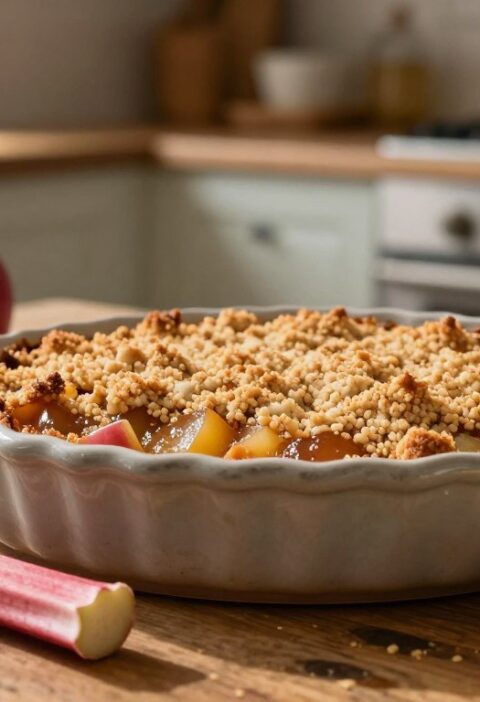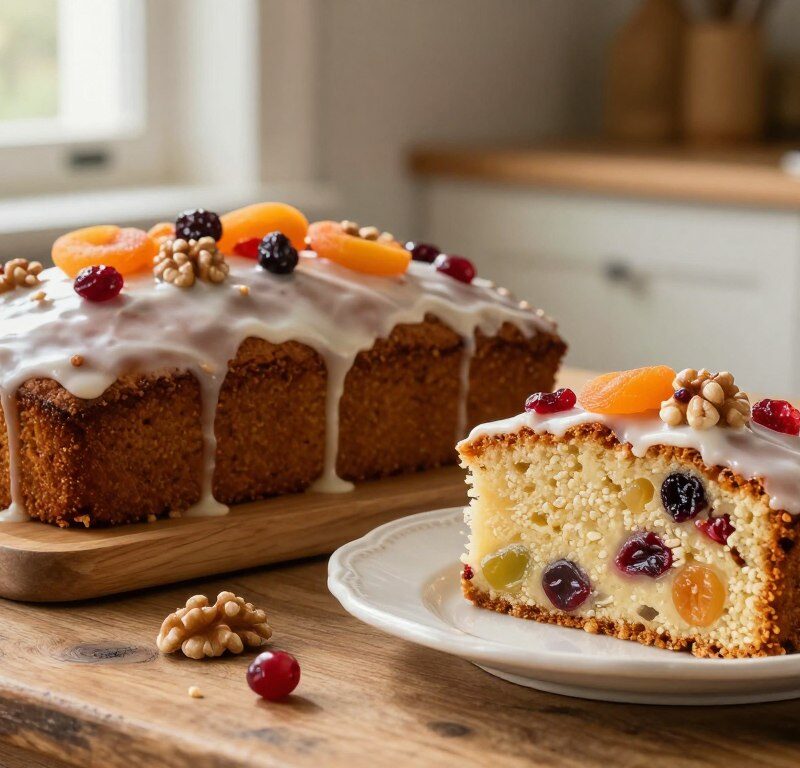
This is a gentle, everyday bake that fits neatly into busy lives. The recipe keeps spices soft and the dried fruit modest so the crumb stays tender and moist. It is not a rich celebration loaf but a reliable, simple treat.
Perfect for afternoon tea or a slice with coffee, the loaf avoids heavy ingredients and alcohol to remain fresh for several days. You can enjoy this classic British fruit cake across the week, whether for a lunchbox or a quiet moment with a cuppa.
Key Takeaways
- Softly spiced and lightly fruited to preserve a moist crumb.
- No alcohol and a modest amount of dried fruit keep the loaf lighter.
- Suitable for midweek baking and stays pleasant for several days.
- A classic British cake that suits tea, lunchboxes and simple treats.
- Easy recipe for everyday baking that balances flavour without heaviness.
Why You Will Love This Mary Berry Light Farmhouse Fruit Cake
Enjoy a light, moist slice any afternoon — it gets better with time. This recipe balances soft spices, butter and a modest mix of dried fruit to keep the crumb tender and never heavy.
Perfect for lunchboxes or a quiet cup of tea, the loaf is straightforward and forgiving. You do not need to soak the fruit, which saves precious minutes when you are in a hurry.
What Makes This Cake Special
Soft, not dense: the sponge stays moist even after several days, and the flavour deepens as it rests.
A Classic British Favourite
This classic fruit cake is a handy everyday bake for gifting or sharing. The method is easy to adapt — swap in different dried fruit or a few nuts to suit taste.
- Lovely texture that stays soft.
- Quick prep with no soaking required.
- Lasts for days and improves in flavour.
Essential Ingredients for Your Bake
Start with quality staples to ensure the best texture and flavour in this loaf. For a classic mary berry version, gather everything before you begin.
Key measured items:
- 150g unsalted butter and 150g caster sugar.
- 3 large eggs and 225g self-raising flour.
- 350g mixed dried fruit — raisins, sultanas and currants.
- 50g glacé cherries, 50g mixed peel and the finely grated zest of 1 lemon.
- 1 tsp mixed spice and 2–3 tbsp milk to loosen the batter if needed.
“Measure carefully and use room-temperature butter and eggs for an even mix.”
Tip: Toss the dried pieces in a little flour before adding to the batter. This helps them stay suspended and gives a more even distribution through the cake.
Preparing Your Kitchen and Equipment
Preparing tools and space well helps the batter rise and the bake go smoothly. A little care now prevents problems later and keeps your baking calm and efficient.
Selecting the Right Cake Tin
Before you start, preheat the oven to 170°C (150°C fan / Gas 3). This ensures an even temperature for the whole bake.
Grease and line a 20cm (8in) round cake tin with baking parchment. Cover the base and sides fully so the edges do not stick during the longer bake.
- Choose a sturdy cake tin so the round cake keeps its shape as the batter rises.
- Fully lining the base and sides protects the metal surface and makes removal simple.
- Check the oven fan setting and position the tin in the centre for even colour and heat.
Tip: Have weighing scales, a spatula and a cooling rack close at hand. Proper preparation of oven and tin is the first step to a perfect berry light farmhouse loaf.
Creaming the Butter and Sugar
Your batter begins to shine when the butter and sugar are beaten to a light, fluffy stage.
Place the softened butter and caster sugar into a large bowl. Beat them together until the mix turns pale and airy. This is the key step for a soft, even crumb in the mary berry light farmhouse fruit cake.
Use an electric mixer for speed or a hand whisk if you prefer a gentler approach. Beat long enough to trap air; the more air you fold in, the lighter the final cake will be.
- Beat butter and sugar in a large mixing bowl until pale and fluffy.
- Electric mixers work best, but a hand whisk is fine with steady effort.
- Longer beating reduces the risk of a dense or heavy tin-bound loaf.
- When pale and soft, the mixture is ready for eggs and the next step.
Tip: Room-temperature butter blends evenly and speeds up creaming.
| Action | Why it matters | Result |
|---|---|---|
| Soften butter first | Mixes smoothly with sugar | Even texture and proper aeration |
| Beat until pale | Incorporates air into batter | Light, soft crumb in the cake |
| Use a large bowl | Gives space to whisk without spill | Cleaner method and consistent mix |
Incorporating Eggs and Dry Ingredients
Work steadily now: add the eggs one at a time and then introduce the flour and spice with a light hand.
Adding Eggs Correctly
Beat each egg into the mixture separately, mixing well after every addition. This keeps the batter smooth and helps trap air for a softer crumb.
If the mix looks curdled, don’t worry. Stir in a spoonful of the sifted flour to bring it back together before adding the next egg.
Folding in the Flour
Sift the 225g self-raising flour with 1 tsp mixed spice and fold them in gently using a spatula.
Use light folding strokes to keep the air in the batter. This step is crucial for the right texture in a light farmhouse fruit loaf.
- Beat the eggs into the mary berry light mixture one at a time, mixing well after each addition.
- If the batter begins to curdle, add a spoonful of flour to bring it back together.
- Sift flour and 1 tsp spice together, then fold in gently.
- Keep as much air in the batter as possible before adding dried fruit, cherries and lemon zest.
Tip: Gentle folding preserves aeration and helps the tin produce an even rise.
Adding Fruit and Achieving the Perfect Consistency
Now comes the crucial moment: adding the fruit and bringing the batter to the right dropping texture.
Stir the dried fruit, glacé cherries, mixed peel and lemon zest into the batter until the pieces are evenly distributed. If some fruit looks clumped, toss it in a tablespoon of flour first to stop sinking during the bake.
If the mixture is stiff, add 2–3 tbsp milk a little at a time. Aim for a soft dropping consistency so the mix falls easily from a spoon but is not runny.
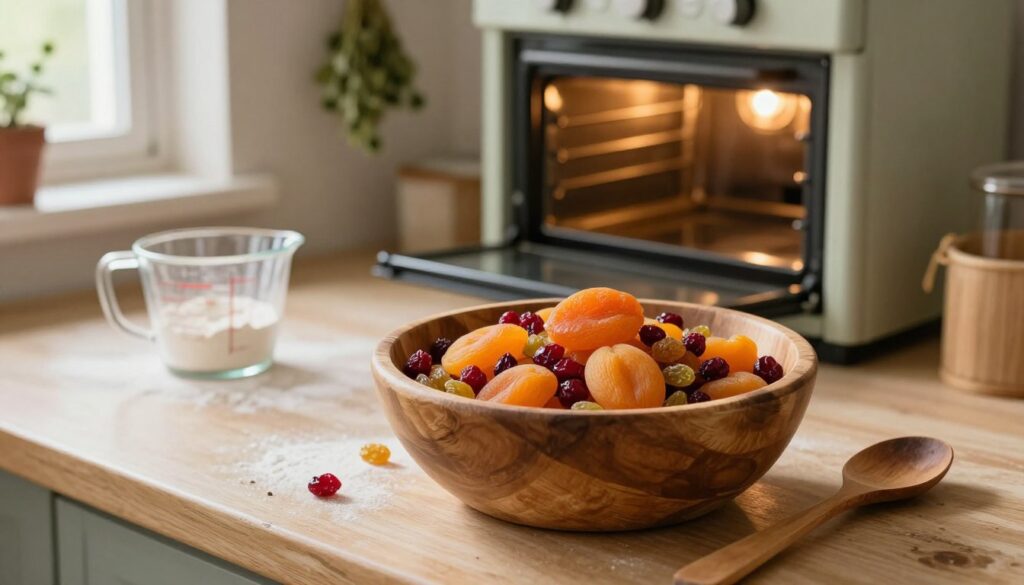
Spoon the batter into your prepared round cake tin. Level the surface carefully with the back of a spoon to ensure an even bake and a smooth top.
- Tip: Check the surface for trapped air and press down any large fruit pieces so the top bakes flat.
- Work quickly once fruit is folded in to retain air and a light texture in the finished loaf.
Rule of thumb: the mixture should fall from the spoon in a soft ribbon. This step sets the texture for the rest of the bake.
Baking Your Cake to Golden Perfection
This is the moment the batter transforms — steady heat turns a soft mix into a golden loaf.
Preheat the oven to the temperature set earlier and place the lined round cake tin in the centre shelf. This ensures even cooking and a steady rise.
Bake for 55–60 minutes, until the top is lightly golden and springy to the touch. Avoid opening the door in the first 40 minutes so the temperature stays steady.
Testing for Doneness
Insert a skewer into the centre; a skewer inserted should come out clean with no wet batter clinging. If crumbs cling, return the tin for a few more minutes and test again.
Do not overbake. Remove the loaf as soon as the skewer is clean to keep the crumb soft and moist. Overcooking dries out the butter and sugar balance that gives the loaf its tender texture.
- Ensure the surface is level in the tin before baking for an even finish.
- The fan oven helps produce a golden colour and consistent baking across the tin.
- Allow a final minute or two if large fruit pieces make the centre slower to cook.
Cooling and Finishing Touches
Give the baked loaf ten quiet minutes in the cake tin to settle its crumb.
This short rest is a vital step. It lets the structure firm so the loaf will keep its shape when you turn it out.
After ten minutes, carefully invert the tin and release the bake onto a wire rack. Handle gently so any soft fruit pieces do not tear the surface.
Leave the loaf on the rack until it is completely cool before slicing. Cutting too soon will compress the crumb and make the slices fall apart.
“Allowing a full cool down preserves texture and flavour—patience pays off.”
| Action | Timing | Reason |
|---|---|---|
| Leave in cake tin | 10 minutes | Lets the crumb set and the loaf hold its shape |
| Turn out onto rack | Immediately after resting | Prevents soggy base and allows air circulation |
| Cool completely | Until room temperature | Ensures neat slicing and better texture |
- Once cool, you can store the loaf wrapped for up to several days.
- Serve immediately with tea for a warm, classic treat featuring light farmhouse fruit flavours.
Expert Tips for Success
A few expert adjustments during preparation will keep your loaf even, soft and well risen. These short tips focus on the key steps that most home bakers find tricky.
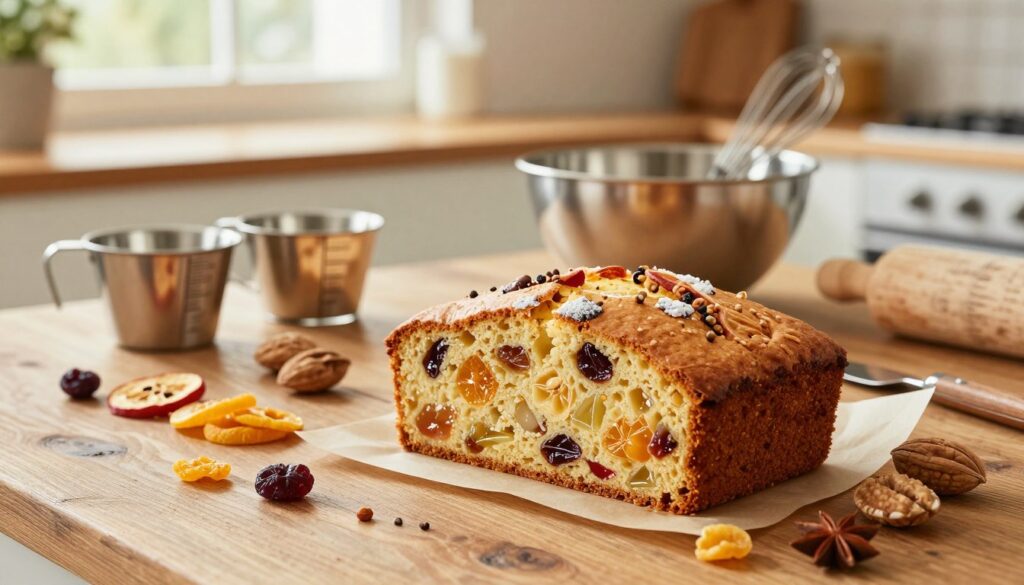
Preventing Fruit from Sinking
Toss dried fruit in a spoonful of flour before folding it into the batter. This helps pieces stay suspended and reduces clumping.
Chop cherries small so they do not form heavy pockets. Work quickly once fruit is added to keep the air in the mix.
Avoiding a Dry Crumb
Check the cake early. Start testing with a skewer five minutes before the suggested time.
If the skewer has a few moist crumbs, give it a little more time. Do not overbake — that is the main cause of dryness.
Managing Oven Temperature
If the top cracks, lower the oven by 10–15°C and extend the cooking minutes. This slows the surface colour while the centre finishes gently.
“Use room-temperature ingredients so butter, sugar and eggs mix evenly — it makes a real difference.”
- Use room-temperature ingredients for an even batter.
- Keep an eye on the surface and move the tin away from hot edges.
- Follow each step calmly; small changes save time and improve the final bake.
Storage and Freezing Advice
How you store the bake makes a big difference to texture and flavour over time. Keep the loaf in an airtight container at room temperature for up to 4–5 days. This step helps the butter and zest stay fresh and the crumb remain tender.
For longer keeping, wrap the cake tightly in baking parchment and then foil. Place the wrapped loaf in the freezer and it will keep for up to 3 months. Proper wrapping is the key step to stop the dried fruit from drying out and to protect flavour.
Defrosting: remove the foil and parchment and let the loaf come to room temperature before slicing. Allowing time to defrost preserves the soft crumb and keeps the fruit plump.
- Store at room temperature in an airtight tin or container for 4–5 days.
- Wrap well in baking parchment and foil for freezing up to 3 months.
- Defrost at room temperature for the best texture and flavour.
“Good storage of your ingredients and the finished loaf means you can enjoy this treat for weeks.”
Conclusion
A dependable, soft loaf like this earns a regular place in your baking rota. It is a classic British recipe that brings warmth and simplicity to home baking.
Follow the steps and you will master a loaf that stays light and moist. The balance of spice and dried pieces gives gentle flavour without heaviness.
Tip: the flavour of this fruit cake often deepens after a few days, so make it ahead when you can.
Whether for afternoon tea or a small snack, this reliable recipe will be one you return to. Enjoy every slice and share the comfort it brings.
FAQ
What tin size should I use for this round cake?
Can I swap the dried fruit mix for other varieties?
How much lemon zest should I add?
What is the correct oven temperature and baking time?
How do I prevent the fruit from sinking to the bottom?
Can I use a fan oven setting?
What’s the best way to test when the cake is done?
How should I cool the cake after baking?
How long will this cake keep, and can it be frozen?
How do I avoid a dry crumb?
Can I make the recipe ahead for an event?
Is there a way to speed up preparation?
Should I use baking parchment or grease the tin only?
What spices pair well with the dried fruit mix?
Mary Berry Light Farmhouse Fruit Cake
A gentle, everyday bake that fits neatly into busy lives, this classic British fruit cake is softly spiced and lightly fruited to preserve a moist crumb. Perfect for afternoon tea or a slice with coffee, it avoids heavy ingredients and alcohol to remain fresh for several days.
Ingredients
- 150g unsalted butter
- 150g caster sugar
- 3 large eggs
- 225g self-raising flour
- 350g mixed dried fruit (raisins, sultanas, currants)
- 50g glacé cherries
- 50g mixed peel
- Finely grated zest of 1 lemon
- 1 tsp mixed spice
- 2–3 tbsp milk (to loosen the batter if needed)
Method
- Preheat the oven to 170°C (150°C fan / Gas 3) and grease and line a 20cm (8in) round cake tin with baking parchment.
- In a large bowl, beat the softened butter and caster sugar together until pale and fluffy.
- Add the eggs one at a time, mixing well after each addition.
- Sift the self-raising flour and mixed spice together, then fold them into the mixture gently.
- Stir in the mixed dried fruit, glacé cherries, mixed peel, and lemon zest until evenly distributed.
- If the mixture is stiff, add 2–3 tbsp milk to achieve a soft dropping consistency.
- Spoon the batter into the prepared cake tin and level the surface with the back of a spoon.
- Bake for 55–60 minutes, until the top is lightly golden and a skewer inserted into the center comes out clean.
- Allow the cake to cool in the tin for 10 minutes before turning it out onto a wire rack to cool completely.