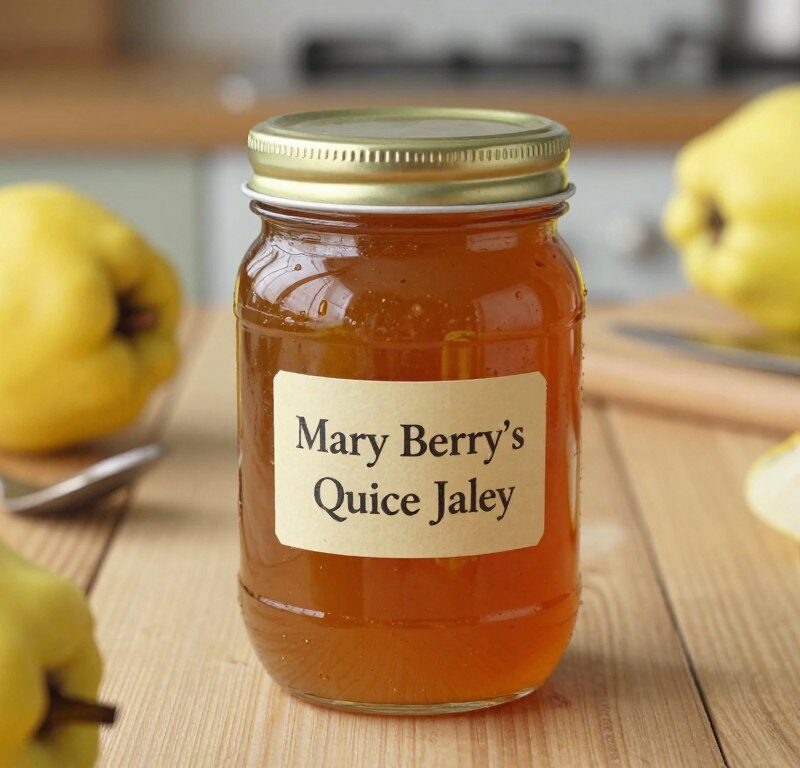
This classic preserve is a fragrant, jewel-toned delight beloved in many British kitchens.
The delicate floral aroma and gentle tartness make it perfect on morning toast or a simple breakfast spread.
Follow this traditional recipe and you will learn how to turn fresh fruit into a clear, amber-pink conserve that sets beautifully every time.
Celebrated for its silky shine, this conserve is often gifted during the festive season to friends and family across the country.
Whether you are new to preserves or an experienced cook, this guide aims to help you achieve the polished results associated with professional kitchens.
Key Takeaways
- Classic, fragrant preserve ideal for breakfast and gifts.
- Gentle tartness pairs wonderfully with toast.
- Step-by-step method helps achieve a clear, well-set finish.
- Suitable for both novice and experienced cooks.
- Produces a silky, jewel-toned result perfect for festive giving.
The Charm of Mary Berry Quince Jelly
Few seasonal tasks feel as satisfying as turning autumn fruit into a translucent, amber-pink preserve for the year ahead.
Traditional quince jelly begins by simmering ripe quince with water, then extracting the clear juice and boiling it with sugar until it sets. This simple method concentrates flavour and releases a gentle, floral aroma that changes the raw tartness into something delicate and refined.
The real charm is how the finished preserve pairs with sharp cheddar cheese on a sharing board. That sweet-tart contrast lifts both elements and makes the jelly a versatile addition to snacks and dinner parties.
Every year, home cooks welcome the harvest and follow this easy recipe to capture the season. A slow cook gives the jelly its stunning amber-pink colour and a clarity that marks a well-made conserve.
- Harvest when ripe: autumn is the best time to pick fruit.
- Cook slowly: this unlocks fragrance and colour.
- Enjoy all year: jars keep the flavour fresh beyond the season.
Essential Ingredients for Your Preserve
Start by choosing the very best fruit: ripe quinces that are fragrant and firm. For this recipe you will need 1.5 kg of fruit that gives a strong blossom scent at the stem.
Selecting Quality Fruit
Do not peel the fruit. The skin and core contain natural pectin, which is vital for a good set.
Use a large, heavy saucepan and add enough water to just cover the fruit. This helps even cooking and full extraction of juice.
The Role of Sugar
Granulated sugar is the main sweetener. Measure the strained juice and use an equal weight of sugar for the boil.
Add a splash of lemon juice to brighten flavour and protect colour. Prepare sterilised glass jars in advance so you can store finished pots immediately.
- Ingredients checklist: 1.5 kg ripe fruit, water, granulated sugar (equal to juice weight), a little lemon juice, sterilised jars.
- Measure accurately: use cups or a digital scale for consistent results.
Preparing the Fresh Quince
Start by giving each quince a brisk wash to remove the fuzzy bloom from the skin. This first step makes handling cleaner and helps the flavour shine through.
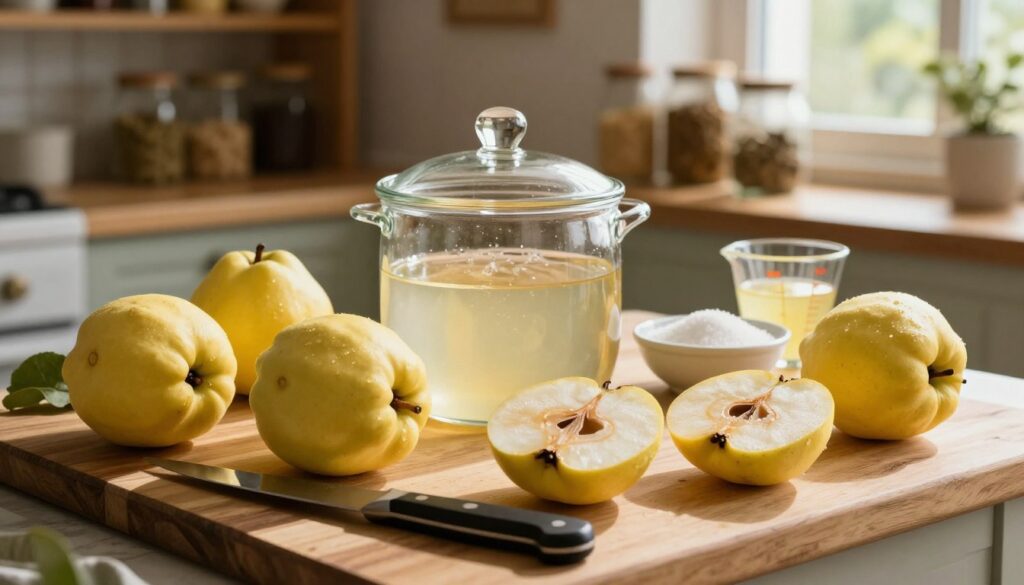
Chop the fruit into large chunks. There is no need to peel or core; the skin and core hold natural pectin that the recipe relies on.
Place the pieces into a large, heavy saucepan and add enough water to cover them by about one inch. The correct water cover is vital to extract clear juice.
Simmer gently for 1 to 1.5 hours. During this time the fruit becomes very soft and releases its juices. Check occasionally and top up if needed to ensure the water does not fall below the fruit.
- Wash the fruit thoroughly to remove fuzz.
- Chop into chunks; do not peel or core.
- Add enough water to cover by ~1 inch and simmer 1–1.5 hours.
| Task | Detail | Why it matters |
|---|---|---|
| Washing | Remove bloom with cold water | Cleaner fruit, better final flavour |
| Chopping | Large chunks, keep skin and core | Releases natural pectin for a good set |
| Simmer | Add enough water cover; 1–1.5 hours | Extracts clear juice and concentrates flavour |
Follow this step carefully and you will create a perfect base for the jelly, with fruit cooked to ideal consistency ready for juice extraction.
Extracting the Natural Juice
A slow, gentle draining of the cooked fruit is the single most important step to a glass-clear preserve. After simmering, pour the soft fruit and liquid into a jelly bag or a muslin cloth suspended over a heatproof bowl. This allows the juice to separate naturally from the solids.
Let the mixture drip for 12 hours or overnight. Do not squeeze the cloth; squeezing forces cloudiness and alters the colour. Four medium quinces typically yield about one litre of juice, enough for several cups of finished conserve.
The next step
Measure the clear juice carefully. For this recipe, add an equal weight of sugar to the measured juice. Return the liquid to a pot and bring to a boil over medium heat, stirring until the sugar dissolves.
- Using a steam juicer is a good alternative when you have large quantities of fruit.
- The natural pectin in the juice reacts with sugar during the boil to set the preserve.
- Ensure you add enough water during the initial cook so the water cover extracts full juice volume.
“Allowing the juice to drip overnight, without squeezing, keeps the jelly crystal clear.”
Achieving the Perfect Setting Point
Reaching the correct setting is a careful balance of temperature, time and steady attention. The mixture must be boiled until it reaches 105°C (221°F) on a sugar thermometer to achieve a reliable jelly set.
Keep the pot at a full rolling boil for the final minutes. This concentrates the juice and sugar so pectin can work properly with the fruit to make a firm yet spreadable set.
Use the cold plate test to confirm the setting. Chill a small plate in the freezer and, when the mix nears temperature, drop a teaspoon of hot jelly onto the plate.
- Bring the mixture to a rolling boil and watch the heat closely for several minutes.
- Measure 105°C (221°F) with a sugar thermometer.
- Place a small amount on the cold plate and push gently — if the surface wrinkles, it has set.
| Check | How to test | Why it matters |
|---|---|---|
| Temperature | 105°C (221°F) on thermometer | Ensures correct sugar concentration for a set |
| Wrinkle test | Small drop on frozen plate; push to see wrinkle | Confirms texture without relying solely on numbers |
| Final boil | Keep at rolling boil for several minutes | Allows water to evaporate and pectin to form the set |
“Keep a close eye on the heat — hot jelly can move from syrup to set in moments.”
Sterilising Your Glass Jars
Treat the sterilising step as part of the recipe — it protects flavour and prevents spoilage. Before you begin, wash your glass jars, lids and rings in hot soapy water so they are perfectly clean for storage.
Place the jars into a large pot of boiling water and boil for 10 minutes to complete the sterilising process. Use tongs to move the hot items; this keeps you safe and stops accidental contamination.
- Carefully pour the hot jelly into the prepared jars, leaving a small headspace at the top for the seal.
- Secure the lids tightly once filled to ensure the preserve remains fresh for long-term storage.
- Handle hot jars with care and place them onto a clean towel to cool; this helps form a proper seal.
One final step of correct sterilisation gives you confidence that jars are safe and that your work will keep its shine and flavour for many months.
Creative Serving Suggestions
Creative pairings bring out the best in a clear, fragrant conserve. Below are simple ideas to show off its flavour and texture.
Pairing with Cheese
For a refined starter, serve a spoonful of the preserve with a sharp cheddar or mature goat cheese. The sweet-salty contrast is striking.
Place a small pot on a cheeseboard and offer crackers or crusty bread. Guests can add as they like for a bespoke bite.
Breakfast Ideas
Spread a thin layer on hot sourdough toast for a bright, morning lift. A little on warm butter makes a simple, memorable breakfast.
If the preserve firms too much, add a teaspoon of water or warm a jar for 5–10 seconds to loosen it before spreading.
Glazing Meats
Use the preserve as a glaze for roast pork or lamb by melting it gently over low heat on the hob. Brush during the last 10–15 minutes for a glossy finish.
When bottling leftovers, ensure the jars and lids are clean and sealed. Stored in a cool, dark spot they will keep for many months. Once opened, refrigerate and use within six weeks.
| Use | Method | Tip |
|---|---|---|
| Cheeseboard | Serve with sharp cheeses and crackers | Offer in a small pot for self-serve |
| Breakfast | Spread on hot toast or warm croissants | Add a teaspoon of water if too thick |
| Meat glaze | Melt gently and brush onto roast | Apply in the last 10–15 minutes of cooking |
Troubleshooting Common Jelly Issues
If your preserve looks cloudy or won’t set, there are simple fixes to try before you start again. First, avoid squeezing the jelly bag or cloth when you strain the cooked fruit — pressing forces pulp and pectin into the juice and causes cloudiness.
Always allow the juice to drip for several hours. Rushing this step often gives poor clarity. A slow drip keeps the clear liquid separate from solids and makes the final product shine.
Use the cold plate test to check the setting. Chill a small plate, drop a spoonful of hot mix on it and wait a minute. If the surface wrinkles when you push it, the set is good.
If the preserve did not reach a jelly set, return the measured juice and sugar to the pan and boil again for a few more minutes. Repeat the cold plate test until it passes.
If the flavour is too sweet, stir in a little lemon juice to balance the sugar. This recipe makes roughly three pints — plenty to fill several jars for gifting or the pantry.
- Do not squeeze the jelly bag or cloth; it causes cloudiness.
- Let the juice drip for hours for the best clarity.
- Use the cold plate test to confirm the setting.
- Boil again for a few minutes if the mix fails the wrinkle test.
- Add lemon juice to correct an overly sweet result.
Delicious Flavour Variations
A few small additions at the right moment can turn a simple preserve into something seasonal and memorable.
Spice and warmth: Add a cinnamon stick or split vanilla pod as the liquid begins to warm. For a festive note, drop in fresh ginger slices or a star anise while the fruit simmers.
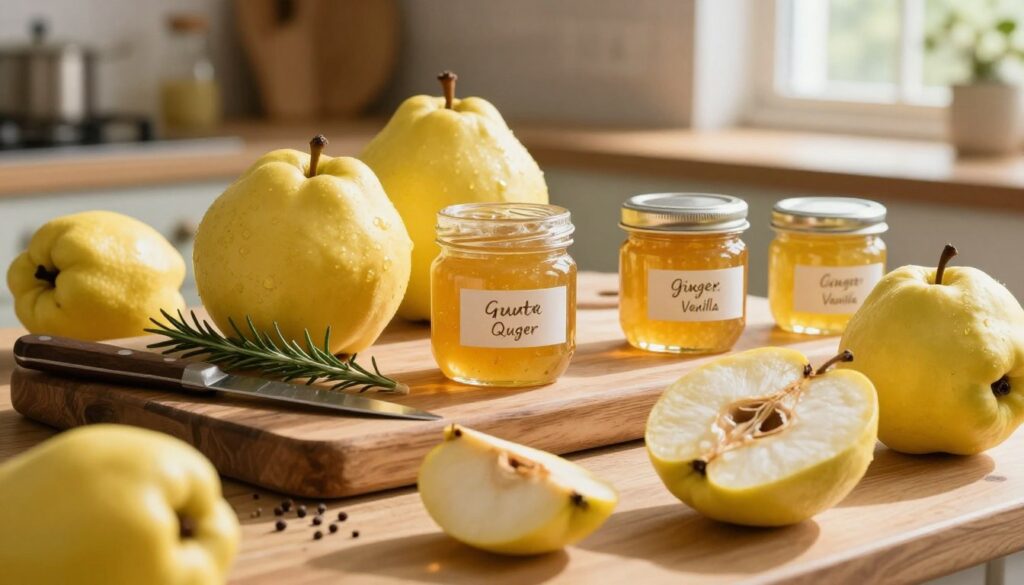
Sweetener swaps: Replace part of the sugar with a light honey, or blend in some apple juice for a softer, sweeter profile. If you try a reduced sugar ratio (three-quarters sugar to juice), note it may affect the set.
Citrus and colour: Use orange zest for a different citrus lift, or add extra lemon juice or a pinch of citric acid to help keep the flesh colour bright.
- Technique tip: Always stir over low heat until the granulated sugar fully dissolves before you increase temperature to bring boil.
- Small tweaks to spice, sugar and juice create a range of tasty results while keeping the clear, floral character of the preserve.
Final Thoughts on Homemade Preserves
Finish well: the final step is to test the set on a cold plate and leave the jars to cool. Allow a few hours for seals to form and the preserve to clear.
This recipe yields a low-fat spread — 0g of fat per serving — and each spoonful has only a small number of calories. Pair it with toast or a slice of cheese for a light treat that still tastes indulgent.
Store your pots in a cool, dark place. Properly sealed jars will keep for many months and reward you for the time and care put into the ingredients and process.
FAQ
What ingredients do I need for a classic quince preserve?
How much water should I add when cooking the fruit?
How long should the quince simmer to release juice?
How can I tell when the preserve has reached the setting point?
Do I need to add pectin to get a firm set?
How should I sterilise my jars and lids?
What’s the best way to fill and seal hot jam jars?
How long will homemade quince conserve last?
Why did my preserve turn cloudy or fail to set?
Can I use the pulp left after straining the juice?
What are some tasty serving ideas for quince conserve?
How many calories are in a typical serving?
Can I make smaller or larger batches easily?
Is it necessary to skim fat or foam during boiling?
How can I add flavour variations to the basic recipe?
Mary Berry Quince Jelly
This classic preserve is a fragrant, jewel-toned delight beloved in many British kitchens. The delicate floral aroma and gentle tartness make it perfect on morning toast or a simple breakfast spread.
Ingredients
- 1.5 kg ripe quinces
- water (enough to cover the fruit)
- granulated sugar (equal to juice weight)
- a little lemon juice
- sterilised jars
Method
- Wash the quinces thoroughly to remove fuzz.
- Chop the quinces into large chunks without peeling or coring.
- Place the chopped quinces into a large, heavy saucepan and add enough water to cover them by about one inch.
- Simmer the quinces gently for 1 to 1.5 hours until they are very soft and have released their juices.
- Pour the cooked fruit and liquid into a jelly bag or muslin cloth suspended over a heatproof bowl and let it drip for 12 hours or overnight without squeezing.
- Measure the clear juice and add an equal weight of granulated sugar to it.
- Return the juice and sugar mixture to a pot and bring to a boil over medium heat, stirring until the sugar dissolves.
- Boil the mixture until it reaches 105°C (221°F) on a sugar thermometer.
- Perform the cold plate test to confirm the setting by placing a small amount of hot jelly on a chilled plate and checking for wrinkles.
- Sterilise glass jars by boiling them in water for 10 minutes.
- Carefully pour the hot jelly into the prepared jars, leaving a small headspace, and secure the lids tightly.