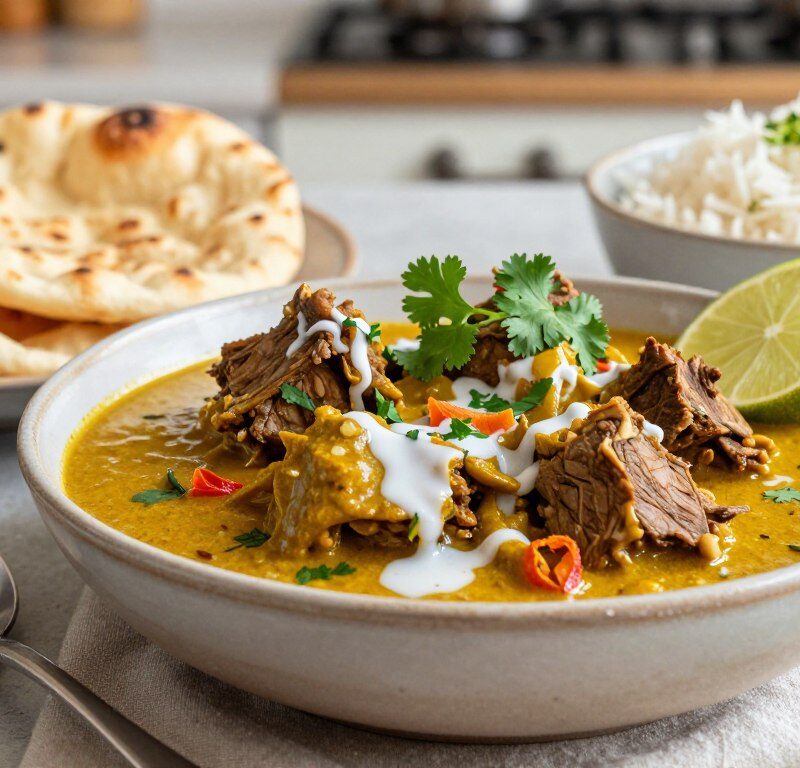
This friendly, practical introduction shows how a classic Sunday roast can become a warm midweek supper. The Mary Berry Leftover Lamb Curry takes cooked meat and turns it into a gently spiced, family-friendly dish that is simple to make.
Using roast meat saves time and reduces waste, so this recipe is as kind to your schedule as it is to your wallet. Spices are kept mild and well balanced, making the lamb curry suitable for children and adults alike.
Expect straightforward steps, familiar flavours and a satisfying meal that feels like home cooking. This approach reflects the reliable style found across many popular British recipes and brings comforting, everyday cooking to the fore.
Key Takeaways
- This dish repurposes roast lamb into a quick, warming curry.
- The method is practical and time-saving for busy households.
- Spices are mild and balanced for family appeal.
- Using cooked meat reduces food waste effectively.
- The recipe delivers familiar, comforting British flavours.
Why You Should Make Mary Berry Leftover Lamb Curry
Turning roast meat into a simple, tasty midweek supper is one of the smartest kitchen moves you can make.
This approach uses cooked meat, so the meal is quick to prepare. It suits busy families and keeps the spice mix mild and well balanced. The result is a satisfying dish with familiar British flavours.
Reducing Food Waste
Using roast meat prevents waste and stretches your grocery spend further. Aim to use leftovers within 3 days for the best quality and food safety.
A Family Favourite
The mild spice profile makes this lamb curry popular with all ages. It cooks far faster than a curry made from raw meat and the depth of flavour improves as it simmers.
- Repurposes Sunday roast into a nutritious midweek meal.
- Saves time while delivering complex, slow-cooked taste.
- Fits well into weekly meal plans and helps manage kitchen stock.
“Using cooked meat is a brilliant way to prevent waste while still serving a high-quality dinner.”
| Benefit | Speed | Storage |
|---|---|---|
| Reduces waste | Ready in under 30 minutes | Use within 3 days in fridge |
| Family-friendly flavours | Quicker than raw-meat recipes | Freezes well for future meals |
| Sustainable choice | Fits busy schedules | Reheat gently to retain texture |
Essential Ingredients for Your Midweek Meal
A handful of well-chosen ingredients turns cold roast into a warming family supper.
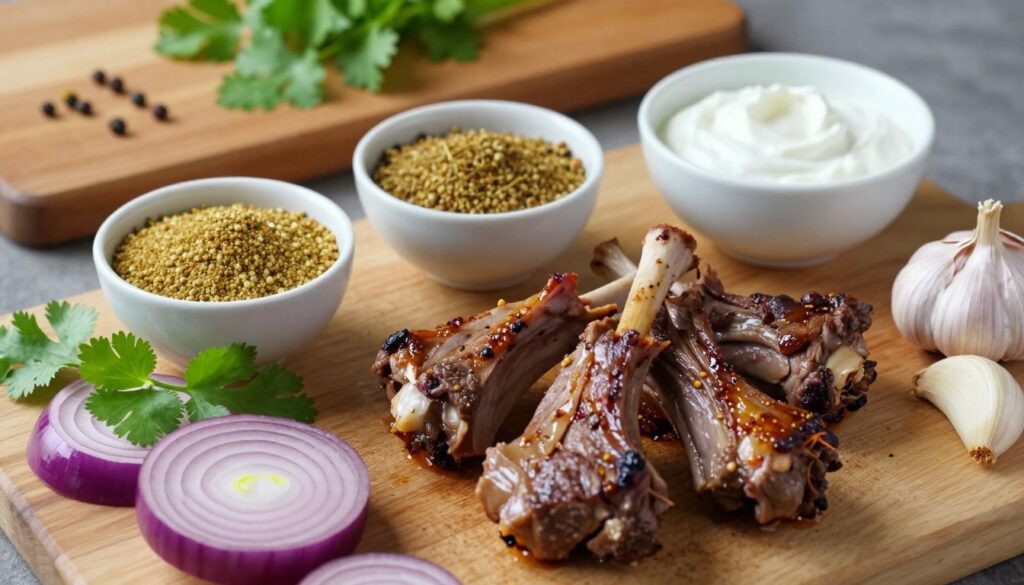
Start with 500g of cooked leg of lamb, cut into bite-sized pieces. This gives your dish hearty texture without extra cooking time.
You’ll need 1 large onion, finely chopped, plus 2 garlic cloves and 1 tbsp fresh grated ginger to build flavour. Add 2 tbsp mild curry powder, 1 tsp ground cumin and 1 tsp ground coriander for depth.
For the sauce, use 1 tbsp tomato purée and a 400g tin of chopped tomatoes. Stir in 250ml of lamb or chicken stock to reach the right consistency.
- Season with salt and black pepper to taste.
- Use 1 tbsp of ground spices if you prefer a paste-style base.
- Check your pantry for these key ingredients before you begin.
These simple items make the recipe quick to prepare and easy to adapt for busy weeknights.
Preparing the Aromatic Curry Paste
Create an aromatic spice base that transforms simple ingredients into a rich supper. This paste is the flavour engine for the recipe and worth making fresh.
Grinding Your Own Spices
Crush ten green cardamom pods in a small bag with a rolling pin to release the seeds. Combine those seeds with 1/4 tsp ground cloves, 1 tbsp ground coriander and 1 tbsp ground cumin.
Add 1 tbsp paprika and 2 tsp ground turmeric. Stir in 1 tbsp garam masala and 4 tbsp tomato purée to bind the mixture.
Warm 1 tbsp sunflower oil in a small pan. Heat oil gently and add the paste, frying for a few minutes to unlock the flavours. Then add your garlic cloves and fresh grated ginger so their aroma blends into the paste.
- Tip: Frying the paste for a few minutes deepens the spice notes and mellows raw edges.
- Tip: A splash of stock later will lift the paste into a sauce that coats the leg pieces well.
| Step | Action | Why it matters |
|---|---|---|
| Cardamom | Crush 10 pods, use seeds | Releases essential oils for brightness |
| Dry spices | Mix tbsp ground coriander, cumin, paprika | Creates balanced, warm base |
| Bind & cook | 1 tbsp sunflower oil, fry paste 3–4 minutes | Develops depth and removes raw taste |
Step by Step Cooking Instructions
Start by warming a tablespoon of sunflower oil so the onions can soften and sweeten.
Heat 1 tbsp sunflower oil in a large pan over medium heat. Add the chopped onions and fry for 8–10 minutes until they are soft and golden.
Stir in the garlic, grated ginger and the prepared paste. Fry for about 30 seconds to release the fragrant spices.
Add 1 tbsp tomato purée, a 400g tin of chopped tomatoes and 450ml of stock. Bring to a gentle boil then reduce the heat and simmer for 10–15 minutes so the sauce thickens and the flavours meld.
- Add 1kg cubed leg of lamb to the pan, ensuring each piece is well coated in the sauce.
- For stovetop finishing, simmer for a further 10 minutes until heated through and tender.
- Alternatively, transfer to an ovenproof dish and cook at 150C/130C Fan/Gas 2 for approximately 1 hour and 30 minutes for deeper melding.
Season with salt, pepper and, if you like, a sliver of red chilli. Stir in fresh coriander before serving to lift the dish.
“Finish with seasoning and fresh coriander to balance the sauce and brighten the flavours.”
| Action | Timing | Why it matters |
|---|---|---|
| Fry onions in oil | 8–10 minutes | Sweetens and builds a flavour base |
| Add paste, garlic, ginger | 30 seconds | Releases aromatic oils |
| Simmer with tomatoes & stock | 10–15 minutes | Develops sauce consistency and depth |
Tips for Achieving the Perfect Texture
Perfect texture comes from timing, gentle heat and a little patience. Follow a few simple rules to keep the meat tender and the sauce silky.
Avoiding Dry Meat
Always add the cooked lamb during the final 10 minutes of cooking. This prevents pieces from overcooking in the pan and becoming tough.
Keep the heat low to medium so the meat warms through gently. High temperatures can quickly toughen texture, even in ready-cooked portions.
Balancing the Sauce
If your sauce seems thin, let it simmer a few extra minutes so it reduces and thickens. Patient reduction gives a glossy finish that coats each piece.
To soften a sharp flavour, add a little more oil or cream. Always taste your seasoning before serving because the flavours from the paste and stock intensify as the sauce reduces.
“Let the dish rest for 10 minutes after cooking to allow the sauce to thicken and the flavours to meld.”
- Add cooked lamb in the last 10 minutes to avoid dryness.
- Keep heat gentle; don’t rush the finish.
- Simmer longer to reduce a thin sauce and then re-taste seasoning.
Customising Your Lamb Curry
With a handful of adjustments you can shift heat, texture and nutrition quickly.
Add veg by stirring in a handful of peas or fresh spinach in the last 2–3 minutes of cooking. This boosts fibre and colour without altering cooking time.
Coconut twist: replace half the stock with coconut milk for a creamier sauce. The creaminess pairs well with the aromatic paste and softens sharp spices.
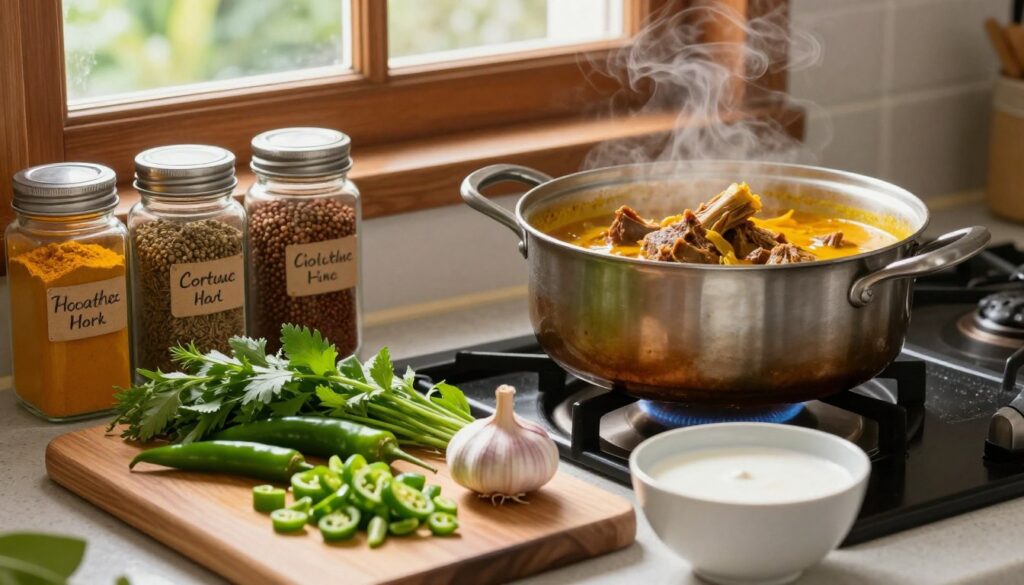
If you like more heat, add 1 tbsp of chopped chilli while frying the paste. For a warmer, deeper note, stir 1 tbsp garam masala into the paste before simmering.
- Serve with steamed basmati or brown rice to add fibre and make a complete meal.
- Reduce the amount of oil if you prefer a lighter dish.
- Finish with fresh coriander to lift the rich sauce.
“Small tweaks let this recipe suit weeknight needs and family tastes without fuss.”
| Customisation | How to add | Effect |
|---|---|---|
| Vegetables | Add peas/spinach last 2–3 minutes | Boosts nutrition and colour |
| Coconut | Replace half stock with coconut milk | Creamier texture, milder spice |
| Heat | Add 1 tbsp chilli or adjust oil | Increases spice; control oil for lighter dishes |
Storing and Reheating Your Leftovers
Store cooked portions correctly and they will reward you with quick, flavoursome meals later in the week.
Refrigerate promptly. Cool the dish fully, then place in an airtight container and keep in the fridge for up to 3 days. This preserves flavour and food safety.
Freezing for future meals: Divide into single portions and freeze. Properly wrapped portions keep well for up to 2 months and make midweek dinners effortless.
Freezing for Future Meals
When you need a quick supper, thaw overnight in the fridge or reheat from frozen gently.
- You can safely store your leftover lamb curry in an airtight container in the refrigerator for up to 3 days after cooking.
- If you have prepared a large batch, freeze individual portions for up to 2 months to enjoy as a quick meal in the future.
- When reheating, use a pan over low heat and stir occasionally to ensure the lamb remains tender and does not dry out.
- If the sauce has thickened too much during storage, add a splash of stock or water to restore the desired consistency before serving.
- Always ensure the curry is cooled completely before placing it in the fridge or freezer to prevent condensation and maintain food safety.
- Reheating your meal slowly is the best way to ensure the flavours are as vibrant as they were on the first day of cooking.
“These simple steps make batch cooking reliable and keep your favourite recipes tasting fresh for days.”
Conclusion
, Finish strong by using cooked meat to create a quick, flavour-packed supper for busy evenings. This recipe shows how mary berry’s approach makes everyday cooking both practical and satisfying.
Keep the aromatic paste and a gentle simmer as your guiding steps. They build the deep flavour and balanced flavours that turn roast into a proper lamb curry served with fluffy rice or warm naan.
Store portions carefully and enjoy this dish for several days. For a related idea, try the Mary Berry chicken korma. Thank you for cooking along — we hope these recipes inspire your own simple adaptations.
FAQ
Can I use leftover roast leg for this curry?
How should I store leftovers and how long will they keep?
What’s the best way to reheat frozen portions?
Can I make the spice paste ahead of time?
Which spices give the curry the most flavour?
Is it possible to make a milder version for children?
What side dishes work best with this curry?
How do I avoid the lamb becoming tough when reheating?
Can I swap sunflower oil for another fat?
What if I don’t have fresh tomatoes?
How long does it take to prepare from cold leftovers?
Can I add vegetables to bulk up the curry?
Do I need to brown the onions and spices well?
Is leftover lamb curry safe to freeze with rice?
Mary Berry Leftover Lamb Curry
A warm midweek supper that repurposes leftover roast lamb into a gently spiced, family-friendly curry. This recipe is practical and time-saving, making it suitable for busy households while reducing food waste.
Ingredients
- 500g cooked leg of lamb, cut into bite-sized pieces
- 1 large onion, finely chopped
- 2 garlic cloves, minced
- 1 tbsp fresh grated ginger
- 2 tbsp mild curry powder
- 1 tsp ground cumin
- 1 tsp ground coriander
- 1 tbsp tomato purée
- 400g tin of chopped tomatoes
- 250ml lamb or chicken stock
- Salt and black pepper to taste
- 1 tbsp sunflower oil
- Fresh coriander for garnish
Method
- Heat 1 tbsp sunflower oil in a large pan over medium heat.
- Add the chopped onions and fry for 8–10 minutes until they are soft and golden.
- Stir in the minced garlic, grated ginger, and prepared spice paste. Fry for about 30 seconds to release the fragrant spices.
- Add 1 tbsp tomato purée, a 400g tin of chopped tomatoes, and 250ml of stock. Bring to a gentle boil.
- Reduce the heat and simmer for 10–15 minutes until the sauce thickens and the flavours meld.
- Add the cubed leg of lamb to the pan, ensuring each piece is well coated in the sauce.
- For stovetop finishing, simmer for a further 10 minutes until heated through and tender.
- Alternatively, transfer to an ovenproof dish and cook at 150C/130C Fan/Gas 2 for approximately 1 hour and 30 minutes.
- Season with salt, pepper, and stir in fresh coriander before serving.