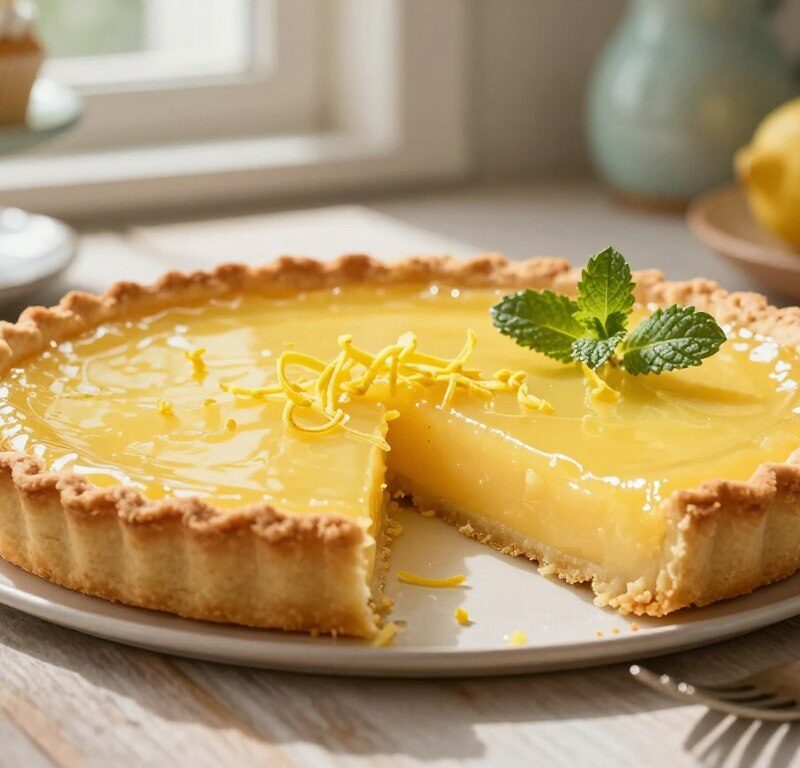
Classic British baking meets simple technique in these individual shortcrust tarts. They combine a crisp pastry shell with a baked custard that is bright and zesty.
This charming dessert is smaller than a full-sized tart, ideal for portion control and pretty presentation at afternoon tea or a relaxed supper. The method is clear and steady, so even a home baker can follow along with confidence.
As a celebrated expert, mary berry shares a timeless approach that keeps this lemon tart a favourite in modern kitchens. With about 55 minutes total time, you can prepare these treats efficiently for guests or a family treat.
Every bite balances sharp citrus and buttery pastry, delivering a classic flavour profile that pairs well with cream or a light dusting of icing sugar.
Key Takeaways
- These individual tarts use shortcrust pastry and a baked custard filling.
- The method is straightforward and suitable for home bakers.
- Portion size is small, making them perfect for gatherings.
- Approximate total time is 55 minutes from start to finish.
- The sharp, zesty flavour pairs beautifully with a buttery shell.
Why You Will Love This Mary Berry Lemon Tartlets Recipe
These small shortcrust tarts bring bright citrus and smooth custard together in a refined, easy-to-share dessert.
Perfect for afternoon tea or dinner parties, they look elegant yet feel light on the plate. The gently baked filling slices cleanly and stays silky, unlike loose curd versions.
The neat individual portions make serving simple and smart. They are make-ahead friendly, so you can prepare them before guests arrive and focus on hospitality.
- Balanced flavour: sharp citrus softened by creamy custard.
- Reliable results for home bakers following clear baking steps.
- Classic British food that suits formal and casual menus.
“A smooth filling and crisp pastry give both contrast and balance in every bite.”
| Occasion | Texture | Prep |
|---|---|---|
| Afternoon tea | Silky filling, crisp shell | Make-ahead friendly |
| Dinner party | Cuts clean for neat servings | Simple technique, reliable |
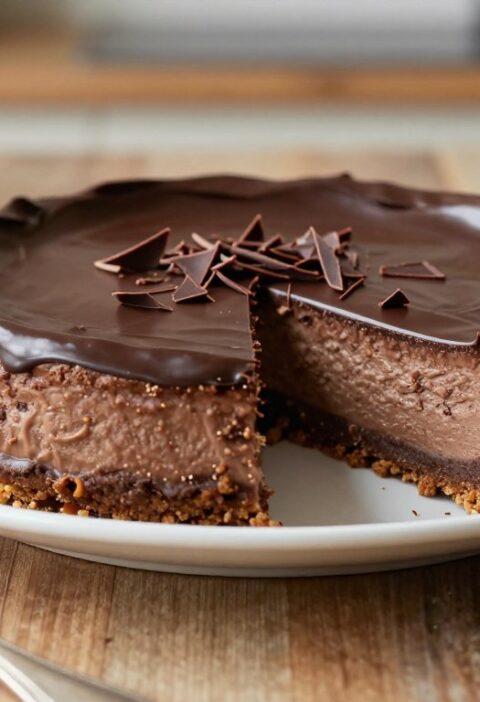
For another accessible sweet to try, see this no‑bake cheesecake.
Essential Ingredients for Your Tartlets
A well-measured ingredient list sets you up for a flawless shortcrust and a silky filling.
Dry Ingredients
For the pastry: sift 175 g plain flour into a large mixing bowl.
Cut 100 g cold unsalted butter into cubes and rub in until the mix resembles fine breadcrumbs.
Add 25 g icing sugar and two egg yolks, then bring together with 1–2 tbsp cold water.
Wet Ingredients
For the filling: beat two large eggs with 100 g caster sugar in a clean bowl.
Stir in 100 ml double cream, the zest from two fresh lemons and 75 ml fresh lemon juice.
These simple ingredients yield a silky filling with bright, balanced flavour.
| Component | Amount | Tip |
|---|---|---|
| Plain flour | 175 g | Sift for a light pastry |
| Cold butter | 100 g | Keep chilled to ensure a crisp shell |
| Icing sugar | 25 g | Helps the pastry hold its shape |
| Caster sugar & cream | 100 g & 100 ml | Gives a smooth, rich filling |
| Lemons (zest & juice) | Zest of 2, 75 ml juice | Fresh juice gives the best zing |
“Using cold butter and accurate measures makes blind baking and filling much more reliable.”
Preparing the Perfect Shortcrust Pastry
A crisp, reliable shortcrust begins with cold hands and precise measuring. Keep ingredients chilled and work quickly on the surface so the butter stays cold. This makes a light, flaky base that holds its shape during baking.
Chilling for Success
Method: pulse 175 g plain flour, 100 g cold butter and 25 g icing sugar in a food processor until the mixture looks like breadcrumbs.
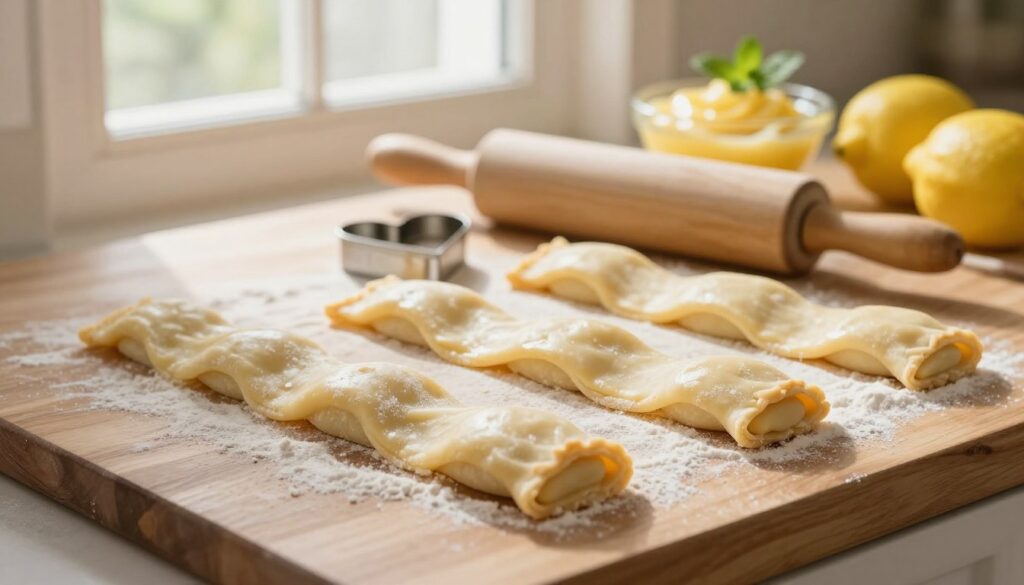
Add two egg yolks and a little cold water, then whiz until the dough just forms a ball. Turn it out and on a floured work surface roll pastry thinly, a little larger than the tart tin.
Carefully line the tin, letting excess pastry hang over the sides, then place it in the fridge. Chill for at least 30 minutes in the fridge to relax the gluten and prevent the base shrinking in the oven.
- Trim excess with a sharp knife once chilled for a neat finish.
- Work fast on the surface so the butter remains cold for a crisp pastry.
“Chilling the pastry is the single best step to avoid a shrunken shell.”
Mastering the Blind Baking Technique
A well-executed blind bake stops a soggy base and ensures a neat, golden tart shell. Preheat the oven to 200C/fan 180C/gas 6 so it is hot and steady when the pastry goes in.
Line each tin with nonstick paper and fill baking beans to the top. The weight keeps the shell from puffing and helps it keep shape while baking.
Blind bake for 15 minutes until the pastry looks pale and set. Carefully lift out the beans and paper, then return the empty shell to the oven for another 10–12 minutes.
You must roll pastry thinly and line the tin accurately. This step ensures the tart shell is uniform and the base dries fully to stop the filling making it soggy.
Once the shell is golden, set it aside to cool so the structure stabilises before you pour in the filling. A cool, dry base gives the best finish and holds a dusting of icing with no weep.
Creating the Zesty Lemon Filling
A smooth, gently baked filling is the heart of these small tarts.
Preheat and reduce the oven temperature to 160C/140C fan/gas 3. This lower heat gives a gentle bake and helps prevent the filling from curdling or turning rubbery.
Measure all the filling ingredients into a clean bowl. Whisk together the eggs, caster sugar, double cream, lemon zest and fresh lemon juice until the mixture is glossy and the sugar has fully dissolved.
Carefully pour the lemon mixture into the cold baked pastry tin, taking care not to overfill. Bake in the lowered oven for 35–40 minutes.
Remove when the centre is just set with a slight wobble. The filling will continue to firm as it cools, so watch for that gentle wobble rather than a rock-solid set.
| Step | Action | Why it matters |
|---|---|---|
| Temperature | Reduce to 160C/140C fan/gas 3 | Prevents curdling and keeps texture silky |
| Mixing | Whisk eggs, caster sugar, cream, zest and juice | Ensures sugar dissolves and the filling is smooth |
| Bake time | 35–40 minutes until slight wobble | Removes excess moisture without overcooking |
| Cooling | Allow to cool in tin before unmoulding | Firms filling and prevents cracking |
“Remove when the centre has a set slight wobble for the best silky finish.”
Tips for Achieving the Perfect Texture
A crisp shell and a silky filling come from precise, calm baking. Small steps at each stage protect the pastry and ensure the centre sets correctly.
Avoiding Soggy Bases
Blind bake until golden so the base forms a dry barrier against the filling. Use baking beans to weigh the shell and prevent puffing.
If the pastry looks pale after the first bake, return it to the oven for a few minutes until golden. This keeps the base crisp once the filling is added.
Managing the Wobble
The filling should be set at the edges but still show a set slight wobble in the centre when removed. This ensures a silky texture after cooling.
Lower the oven temperature for the final bake and watch the surface closely in the last 5–10 minutes so you don’t overcook the mixture.
Preventing Shrinkage
Keep the shortcrust pastry cold and avoid stretching it when lining the tin. Cold butter and chilled dough resist shrinkage.
If the pastry resembles breadcrumbs during making, add a little cold water and bring the dough together on the work surface to form a cohesive ball.
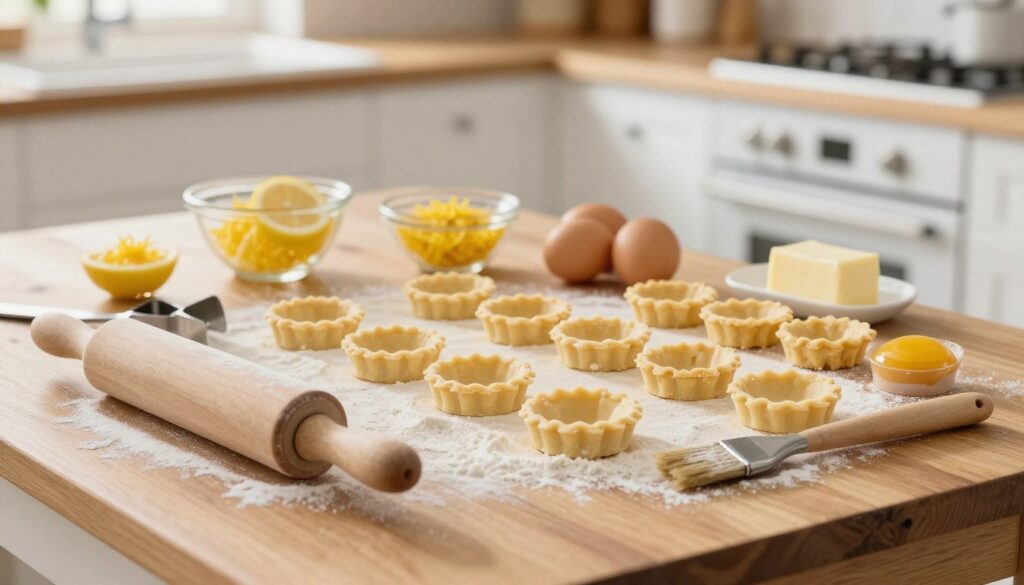
“Using baking beans to fill baking cases thoroughly is the best way to maintain a crisp base.”
| Issue | Action | Why it helps |
|---|---|---|
| Soggy base | Blind bake until golden; fill baking beans | Dries the base and prevents the filling soaking through |
| Overcooked filling | Lower oven temperature; remove at slight wobble | Keeps filling smooth and avoids curdling |
| Shrinking shell | Keep pastry cold; do not stretch when lining tin | Maintains shape and neat edges |
| Dry, crumbly dough | Add cold water on the work surface | Binds the mixture so it forms a smooth pastry |
Creative Variations and Serving Suggestions
A few simple swaps turn this classic into a more seasonal or fruity treat.
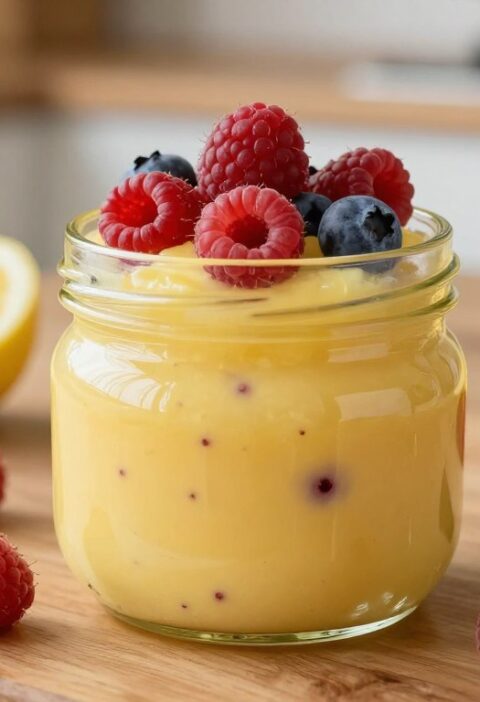
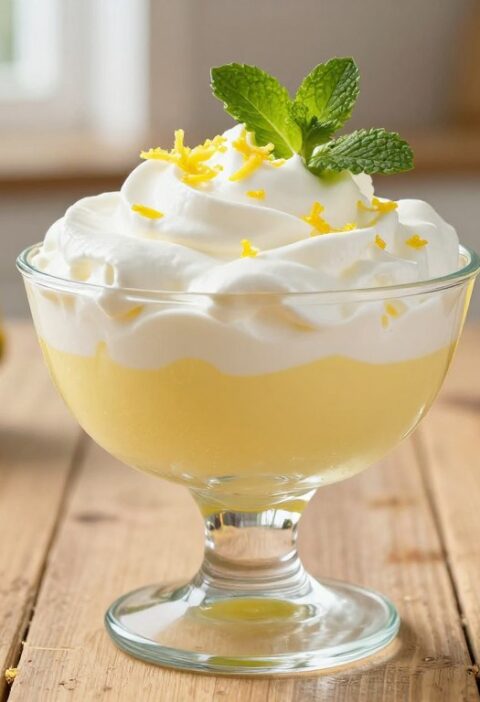
Serve ideas: plate each tart with fresh raspberries, a spoonful of lightly whipped cream or a scoop of good vanilla ice cream for contrast. A light dusting of icing sugar just before serving adds instant polish.
For a citrus twist, swap half the lemon juice for lime or stir in a little orange zest to brighten the filling. If you want a spiced edge, add grated ginger to the shortcrust pastry base for a warm counterpoint to the sharp citrus.
Practical note: each portion is about 290 kcal, so these are an indulgent but manageable food choice for afternoon tea or a plated dessert.
- Try fresh berries for colour and tart-sweet balance.
- Use a small dollop of cream to soften the sharp lemon flavour.
- Dust with icing for a professional finish to the shortcrust pastry.
“A neat dusting of icing sugar lifts both look and flavour.”
For another classic from mary berry, see this egg custard tart to expand your baking repertoire.
Storing and Preparing Ahead
Plan ahead to keep your shortcrust pastry and silky filling at their best.
You can make these Mary Berry tartlets up to 2 days ahead. Once cool, place them in a single layer in an airtight container to protect the smooth surface of the filling.
Keep the container in the fridge until you are ready to serve. Remove the tartlets from the fridge about 30–45 minutes before serving so the filling softens and the flavours open up.
Reheating Advice
Avoid reheating in the oven or microwave. Gentle heat for a few minutes can split the filling and change the texture.
If you blind baked cases with beans, make sure the tin and beans are fully cool and dry before storing to stop moisture affecting the pastry.
- Do not stack tartlets; this protects the glossy filling and keeps the pastry crisp.
- Store in the fridge in an airtight container for up to 48 hours.
- Serve at room temperature for the best food experience and balanced flavour.
| Action | Timing | Reason |
|---|---|---|
| Store in airtight container | Up to 2 days | Protects the pastry and keeps the filling stable |
| Bring to room temperature | 30–45 minutes before serving | Allows the filling to soften and flavour to develop |
| Avoid reheating | Do not use oven or microwave | Heat can split the filling and spoil the texture |
| Ensure cool tin and beans | Before storing | Prevents moisture transfer to the pastry surface |
“Proper storage keeps each tartlet tasting as fresh as when it first came from the oven.”
Conclusion
With attention to pastry technique and a gentle oven finish, the results are consistently refined. Focus on steady mixing and a low bake temperature to protect the silky filling and keep the shell crisp during baking.
This recipe shows how simple ingredients and clear steps create an elegant tart. Keep the pastry cold, measure sugar accurately and use good-quality ingredients for the best flavour.
Serve these small treats at afternoon tea or a dinner party and finish with a light dusting of icing sugar or a neat sweep of icing for polish. We hope this mary berry recipe becomes one of your favourite recipes to share and enjoy.
FAQ
How long should I blind bake the shortcrust pastry?
What type of flour works best for the pastry?
Can I make the pastry in advance and freeze it?
How do I achieve the right filling texture with a slight wobble?
What’s the best way to avoid soggy bases?
How many lemons will I need for the filling?
Should I use caster sugar or icing sugar in the filling?
Can I use a large tart tin instead of individual tartlet tins?
What oven temperature gives the best results?
How should I store leftover tartlets?
Can I add cream to the filling for a richer texture?
What causes pastry to shrink while baking and how do I prevent it?
Are baking beans necessary and can I use alternatives?
How do I zest lemons safely and efficiently?
What is the ideal method for rolling pastry on the work surface?
Mary Berry Lemon Tartlets Recipe
Classic British baking meets simple technique in these individual shortcrust tarts. They combine a crisp pastry shell with a baked custard that is bright and zesty.
Ingredients
- 175 g plain flour
- 100 g cold unsalted butter
- 25 g icing sugar
- 2 egg yolks
- 1-2 tbsp cold water
- 2 large eggs
- 100 g caster sugar
- 100 ml double cream
- zest of 2 fresh lemons
- 75 ml fresh lemon juice
Method
- Sift 175 g plain flour into a large mixing bowl.
- Cut 100 g cold unsalted butter into cubes and rub in until the mix resembles fine breadcrumbs.
- Add 25 g icing sugar and two egg yolks, then bring together with 1–2 tbsp cold water.
- Chill the pastry for at least 30 minutes in the fridge.
- Preheat the oven to 200C/fan 180C/gas 6.
- Blind bake the pastry for 15 minutes with baking beans, then remove the beans and bake for another 10–12 minutes until golden.
- Reduce the oven temperature to 160C/140C fan/gas 3.
- In a clean bowl, beat two large eggs with 100 g caster sugar.
- Stir in 100 ml double cream, the zest from two fresh lemons, and 75 ml fresh lemon juice.
- Carefully pour the lemon mixture into the cold baked pastry tin.
- Bake for 35–40 minutes until the center has a slight wobble.
- Allow to cool in the tin before unmoulding.