This classic winter side celebrates slow cooking and homely flavour. Serves six and brings a warm, festive note to any table. It is a staple of British cuisine and often appears in Mary Berry Simple Comforts, a much-loved collection.
The recipe relies on gentle simmering to turn simple vegetables into a tender, richly coloured accompaniment. Home cooks admire the way slow heat deepens flavour and softens texture.
Created by the respected food writer and former Great British Bake Off judge, this treat feels extravagant yet comforting. It is especially fitting for festive gatherings when tradition matters most.
Key Takeaways
- Serves six: a generous side for family meals.
- Slow-cooked: produces tender, richly flavoured results.
- Festive staple: a traditional choice for Christmas tables in the UK.
- Authoritative source: from a respected food writer and TV judge.
- Simple ingredients: humble produce transformed by time and technique.
Why Mary Berry Braised Red Cabbage is a Winter Essential
This warming side transforms a humble head of cabbage into a festive, flavourful companion for winter roasts. Mary Berry notes that this vegetable is hearty and ideal for Christmas lunch across the United Kingdom.
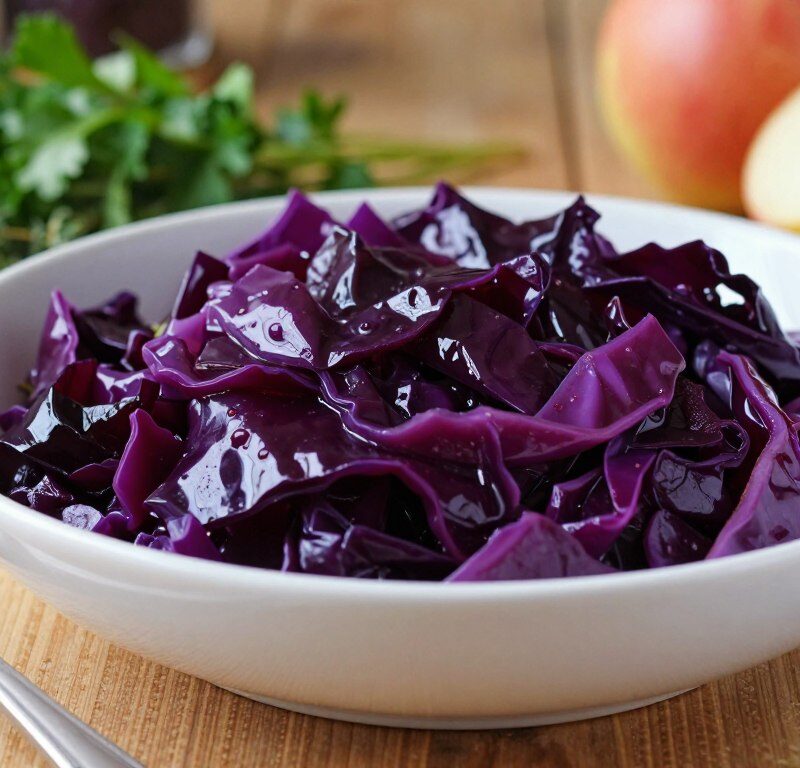
The dish balances sweet, tangy and spiced notes that cut through rich meat and gravy. Slow cooking softens the leaves until they are tender and glossy, turning simple produce into a luxurious side for a celebratory menu.
Vibrant colour gives a bright contrast on a roast dinner plate and lifts a traditional spread. This recipe brings an extra festive cheer to cold months while remaining straightforward to prepare.
- Hearty winter vegetable: perfect for seasonal meals.
- Complement to roasts: sweet-tangy spices brighten rich dishes.
- Slow-cooked luxury: tender texture and glossy finish.
Essential Ingredients for the Perfect Dish
Start with bright, firm produce and a few well-chosen spices to build depth in this side. The list below focuses on balance so the finished dish tastes both sweet and sharp.
Fresh Produce Selection
Use 1kg of red cabbage, finely shredded so it cooks evenly and becomes tender throughout. Peel and slice 1 onion and add two peeled apples, chopped to the same fineness.
Choosing the Right Spices
For seasoning, combine 250ml cider with 4 tablespoons of redcurrant jelly and 3 tablespoons of red wine vinegar. Add 3 tablespoons of brown sugar and a half teaspoon ground cinnamon for warmth.
- Season with salt and freshly ground black pepper.
- Measure spices carefully: 1 teaspoon ground note where needed.
- Use butter sparingly if you prefer a silkier texture.
Tip: Keep the apples and cabbage finely shredded to ensure quick, even softening and a glossy finish to the side.
Preparing Your Cabbage and Aromatics
A steady hand with a sharp knife gives consistent texture and ensures even cooking over hours. Use even, finely shredded pieces so the red cabbage softens uniformly during the long prep time.
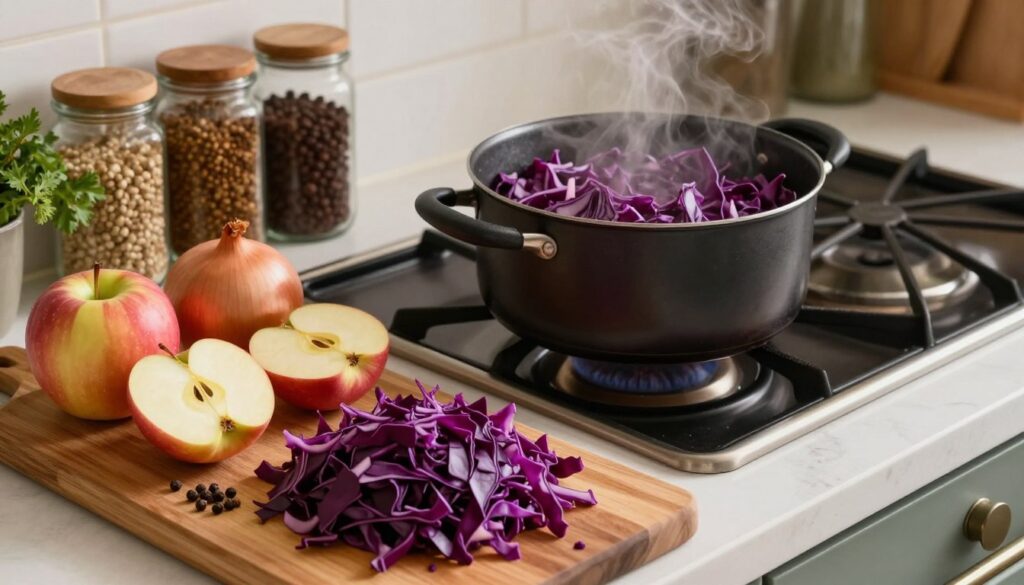
Heat a pan and add 1 tbsp olive oil with two knobs of butter. Fry the onion and cabbage for 3–4 minutes over medium heat to release sweetness before you add cider and other liquids.
Layer the vegetables in the pan with the apples, sprinkling sugar and vinegar as you go. This helps the flavours distribute evenly while the vegetables cook slowly.
- Prep time: 4 hours to allow flavours to meld and the finely shredded cabbage to soften.
- Tip: Slice with a sharp knife for consistent texture throughout long cooking time.
| Ingredient | Amount | Purpose |
|---|---|---|
| Red cabbage | 1kg | Main vegetable, finely shredded |
| Olive oil + butter | 1 tbsp + 2 knobs | Fry onion and soften cabbage |
| Apples & onions | 2 apples, 1 onion | Layering adds sweetness and texture |
| Cider, vinegar, sugar | 250ml cider; tbsp vinegar; tbsp sugar | Balance sweet-tart flavours during slow cooking |
The Art of Layering Flavours
A thoughtful sequence of layers creates depth, turning simple produce into a memorable side.
Start by alternating thin slices of cabbage, onions and apples. This trapping of steam helps the sugars in the apples and onions to caramelise slowly.
Sprinkle 3 tablespoons of sugar across the layers and add small dots of butter on the top. The butter melts as the pan cooks and gives a glossy, rich finish to the dish.
The Importance of Seasoning
Season each layer with a pinch of salt and a grind of black pepper. Add a teaspoon ground cinnamon to balance the acidity of the wine vinegar you’ll pour over the top.
- Layer to build texture and flavour evenly.
- Use olive oil at the base to prevent sticking.
- Include apples for sweet counterpoint to the vinegar.
| Layer | Ingredient | Purpose |
|---|---|---|
| Base | Olive oil + sliced onion | Softens and adds savoury depth |
| Middle | Cabbage + apples | Creates texture and sweetness |
| Top | Vinegar, sugar, butter | Balances acidity, caramelises and enriches |
Tip: Taste and adjust salt and pepper near the end so every bite has a balanced blend of sweet, savoury and tangy flavours.
Mastering the Slow Cooking Process
A low, even oven lets the vegetables melt together while preserving vibrant colour and depth.
Oven temperature settings: Preheat to 160ºC (140ºC fan/Gas 3). This steady heat keeps the cooking gentle so the shredded cabbage softens fully over 3–4 hours without burning.
Oven Temperature Settings
Set the oven as instructed and use a moderate time. The long oven hours let the cider and wine vinegar simmer slowly. This infuses the dish with deep, rounded flavours.
The Role of the Lid
Keep the pan covered. The lid traps steam and tenderises the cabbage. It also helps the butter and sugar dissolve into a glossy sauce that coats each shred.
- Stir the pan once or twice during cooking to distribute heat and flavours evenly.
- After 3–4 hours the cabbage should be very tender and richly coloured.
- Adjust heat for the final minutes if you want a slightly thicker glaze.
Achieving the Ideal Glossy Consistency
Finish the dish by coaxing the cooking juices into a glossy, deeply flavoured glaze.
First, transfer the warm red cabbage to a preheated serving dish so it keeps heat while you work on the sauce. Return the remaining liquid to the pan and simmer gently.
Reduce the juices until they darken and thicken to a syrupy texture. This concentrates flavour and improves the overall colour.
Take the pan off the heat and stir in the remaining knob of butter. The fat gives a final sheen and helps the glaze cling to each shred of cabbage.
- Transfer cabbage to a warm dish before reducing.
- Reduce liquid in the pan until syrupy to enhance colour.
- Finish by whisking in butter for a silky gloss.
Tip: A well-reduced sauce is the hallmark of excellent cooking. It should coat the cabbage evenly and shine when served to guests.
How to Serve Your Braised Red Cabbage
This festive side works hard: it brightens rich roasts and balances fatty cuts.
Serve warm to let the sweet and tangy notes stand out. Mary Berry suggests bringing the pan to the table or transferring to a warm serving dish so heat and aroma reach guests.
Pairing with Sunday Roasts
This side pairs especially well with roast chicken or pork. The acidity cuts through fat and lifts each mouthful.
- For roast chicken: place a spoonful alongside slices to add colour and contrast.
- For pork: use the tangy glaze to balance rich, fatty meat.
- Versatile dish: it also complements game, beef or vegetarian mains when you want a bright side.
Keep portions moderate so the cabbage enhances, not overwhelms, the main course. A warm, glossy serving will make your Sunday roast feel more festive and balanced.
Expert Tips for Preparing Ahead
A little forward planning turns cooking into calm preparation rather than a last-minute rush.
Mary Berry notes you can complete this recipe up to 12 hours before serving. Do the long oven hours early, then cool gently and refrigerate.
To reheat, cover the dish with foil and warm in the oven until piping hot. This restores texture and revives the glossy glaze.
Leaving the dish overnight lets the flavours deepen. The extra time brings greater depth and a more rounded flavour when you serve it.
- Prepare up to 12 hours ahead to reduce stress on the day.
- Reheat covered in the oven to protect moisture and texture.
- Slow cooking keeps the cabbage tender after reheating for guests.
| Tip | When to do it | Benefit |
|---|---|---|
| Cook fully | Morning or day before | Less work during hosting |
| Cool then chill | Within 2 hours of cooking | Food safety and better flavours |
| Reheat in oven | 30–40 minutes before serving | Restored texture and warm glaze |
Storing and Freezing Your Leftovers
Proper storage preserves that glossy finish and deep, satisfying flavour. Once cooled, transfer the remainder to an airtight container and chill. Stored this way, the side will keep for several days in the fridge and makes quick meals easy.
Red cabbage freezes exceptionally well. Portion into freezer-safe tubs and label with the date. You can keep the dish frozen for up to three months without losing texture or taste.
When you reheat, apply gentle heat. Warm slowly in the oven or over low heat on the hob so the tender leaves stay intact and the glossy glaze survives. Avoid high heat that can dull the colour and dry out the texture.
- Fridge: Airtight container for several days for easy lunches.
- Freezer: Freeze up to 3 months in portions for future meals.
- Reheat: Use gentle, even heat to preserve texture, colour and flavours.
Creative Variations to Try at Home
Experimenting with fruit, citrus and oils brightens the familiar flavours. Small changes let you tailor the dish to match your roast or personal taste.
Adding Dried Fruits
Stir in a handful of dried cranberries or raisins in the last hour of cooking. They soften and add bursts of sweetness that contrast the vinegar and sugar.
Tip: Soak dried fruit briefly in wine or cider to plump it up before adding.
Incorporating Citrus Zest
Grate the zest of an orange over the pan once the heat is off. The bright oils lift the cinnamon and apple notes and add an aromatic finish.
Swap a knob of butter for a drizzle of olive oil to keep the texture silky while changing the flavour profile.
- Add extra layers of apples or onion to boost sweetness and depth.
- Try different vinegars for subtle tang: wine vinegar or cider vinegar both work well.
| Variation | What to add | Effect on flavour |
|---|---|---|
| Dried fruit | Cranberries, raisins | Sweet bursts and chewy texture |
| Citrus zest | Orange or lemon zest | Bright, aromatic finish |
| Fat swap | Olive oil instead of butter | Lighter mouthfeel and Mediterranean note |
Troubleshooting Common Cooking Issues
A few simple fixes will solve common problems and keep the dish glossy and tender.
If the cabbage looks too watery near the end, remove the lid for the final 20 minutes. This helps excess liquid evaporate and concentrates the cooking juices.
If the vinegar tastes too sharp, balance the acidity with a little extra sugar or a pinch of salt pepper. Adjust gradually and taste until the flavour feels rounded.
If pieces remain firm, check your slice thickness. Finely sliced leaves soften far quicker. If needed, extend the time in the oven until tender.
Use a heavy-bottomed pan to prevent the base from catching during long, slow cooking. Even heat preserves colour and improves the finished flavours.
- Remove lid for final 20 minutes to reduce liquid.
- Balance vinegar with sugar or salt pepper to tame sharpness.
- Slice finely and add more cooking time if still firm.
- Choose a heavy pan to avoid catching and burning.
Troubleshooting these issues ensures your final dish is tender, glossy and full of intended flavour.
Nutritional Benefits of Red Cabbage
A serving of this slow-simmered side boosts fibre intake while adding vibrant colour to your plate. It is a nutrient-dense vegetable that helps support healthy winter eating.
The deep hue signals plenty of antioxidants. These compounds help protect cells and add to overall wellness. Slow cooking keeps much of the nutrition while making the leaves easier to digest.
Pairing this with roast chicken makes a balanced meal. The veg supplies fibre and vitamins while the meat adds protein for family dinners.
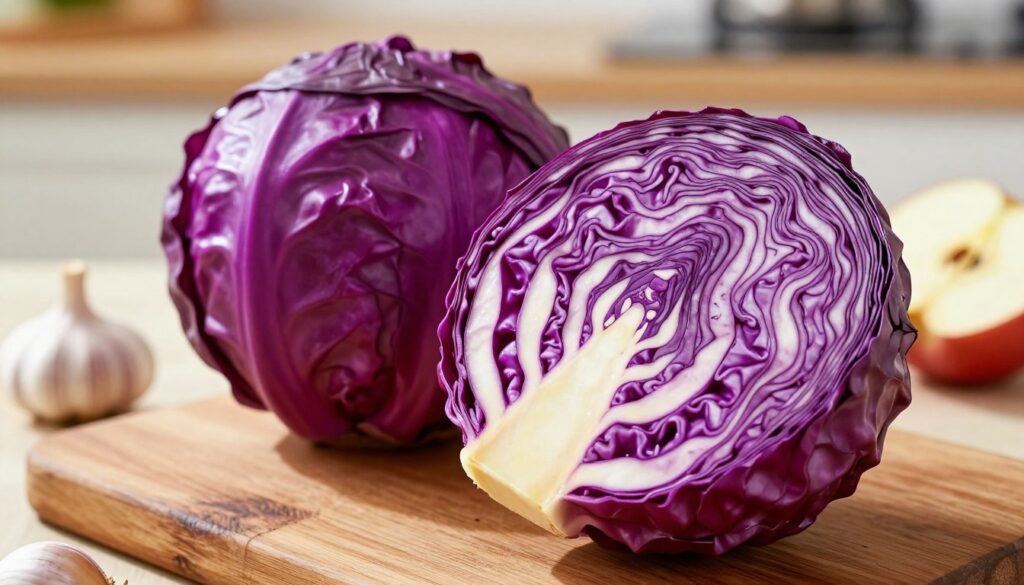
Using apples and a teaspoon ground spice like cinnamon brings natural sweetness without excess sugar. A small teaspoon of spice complements the fruit and warms the dish over time.
- Red cabbage is high in fibre and vitamins.
- Vibrant colour indicates antioxidants.
- Apples and cinnamon add sweetness and healthful flavour.
- Slow cooking preserves nutrients and aids digestion.
Conclusion
The result is a timeless side that blends sweet, sharp and spiced notes into a comforting finish for winter roasts.
This recipe from mary berry yields a visually striking side dish that pairs beautifully with roast meats. Apples, vinegar and warming spices create a complex flavour profile that lifts rich mains.
Whether for a Christmas feast or a simple Sunday roast, this dish is easy to prepare ahead and will become a family favourite. Give it a try and enjoy a bright, glossy side that brings warmth and tradition to your table.
FAQ
How long does it take to prepare and cook this braised cabbage?
Can I use olive oil instead of butter?
What type of vinegar and sugar work best?
Is red wine necessary, and what can I substitute?
How should I season to get the best flavour?
Can I add apples or dried fruit?
Should I cook with a lid on or off?
What oven temperature works best if roasting instead of hob cooking?
How long can I store leftovers in the fridge or freezer?
What meats and dishes pair well with this side?
How can I make the colour stay vibrant during cooking?
Is it possible to speed up the recipe for a midweek dinner?
Any tips for preparing ahead for a Sunday roast?
How do I prevent it from becoming mushy?
Mary Berry Braised Red Cabbage
This classic winter side celebrates slow cooking and homely flavour, transforming a humble head of cabbage into a festive, flavourful companion for winter roasts.
Ingredients
- 1kg red cabbage, finely shredded
- 1 tbsp olive oil
- 2 knobs of butter
- 1 onion, peeled and sliced
- 2 apples, peeled and chopped
- 250ml cider
- 4 tbsp redcurrant jelly
- 3 tbsp red wine vinegar
- 3 tbsp brown sugar
- 1/2 tsp ground cinnamon
- Salt and freshly ground black pepper
Method
- Heat a pan and add olive oil and butter.
- Fry the onion and cabbage for 3-4 minutes over medium heat to release sweetness.
- Layer the vegetables in the pan with the apples, sprinkling sugar and vinegar as you go.
- Preheat the oven to 160ºC (140ºC fan/Gas 3).
- Cover the pan with a lid and cook slowly for 3-4 hours until the cabbage is very tender.
- Stir the pan once or twice during cooking to distribute heat and flavours evenly.
- Transfer the cabbage to a warm serving dish.
- Reduce the remaining liquid in the pan until syrupy, then whisk in a knob of butter for a glossy finish.
- Serve warm alongside roast meats.