These classic teatime treats bring a touch of nostalgia to any afternoon spread. Crisp, buttery shortbread meets a neat layer of jam and a dab of icing. A signature glacé cherry tops each biscuit for a polished finish.
The recipe is famously simple: quality ingredients and about one hour of total time deliver a refined, balanced flavour. The base is firm yet tender, giving a delightful crunch followed by a melt-in-the-mouth crumb.
Perfect for a formal tea or a casual gathering, these biscuits are consistently well received. Mastering this recipe quickly elevates your baking repertoire and ensures an elegant, store-cupboard friendly treat.
Key Takeaways
- Classic British teatime treat with a crisp shortbread base.
- Simple to prepare in under an hour using quality ingredients.
- Finished with jam, icing and a glacé cherry for a neat look.
- Suitable for both formal teas and informal gatherings.
- Offers a pleasing contrast of crunch and tender crumb.
The History and Charm of Mary Berry Empire Biscuits
A tidy sandwich of two plain rounds joined with jam and topped with a neat layer of icing is the classic definition of this beloved teatime treat. These empire biscuits trace back to Scottish baking, where they sometimes appear under names such as German or Belgian biscuits.
The appeal lies in simplicity: a crisp shortbread base, a generous fruit jam filling and a smooth icing finish. The recipe’s neat look and buttery crumb made it a staple in local bakeries and home kitchens alike.
One renowned baker refined the classic to keep sweetness balanced and flavours elegant. Each sandwich is assembled with care so the texture stays tender yet crisp.
- Rooted in Scottish tradition and regional names.
- Built from high-quality butter and plain flour.
- Celebrated for tidy decoration and lasting popularity.
Essential Ingredients for Your Baking Session
Start with precise measures — the right balance of butter and flour makes all the difference. Gather the listed ingredients before you begin to keep the process tidy and efficient.
Dry Components
For the base you will need 225 g plain flour and 50 g cornflour. These give a delicate, tender crumb.
Use 175 g softened unsalted butter and 75 g caster sugar to create a smooth, pale creamed mix. Combine in a large mixing bowl until light and even.
Filling and Topping
Prepare about 4 tablespoons of high-quality raspberry jam or strawberry jam for the sandwich filling.
For the icing, sift 150 g icing sugar and blend with 1–2 tablespoons of water until glossy. Finish each biscuit with a neat layer of icing and place a glacé cherry or other cherries on the top for a traditional look.
| Component | Amount | Purpose |
|---|---|---|
| Unsalted butter | 175 g | Structure and rich flavour |
| Caster sugar | 75 g | Sweetness and light texture |
| Plain flour | 225 g | Body for the dough |
| Cornflour | 50 g | Tender, delicate crumb |
| Icing sugar + water | 150 g + 1–2 tbsp | Glossy icing to top sandwiches |
Tip: These measurements make a manageable dough that holds its shape during baking. Follow the steps and your empire biscuits will look and taste consistent — a classic result often linked to mary berry recipes.
Preparing the Perfect Shortbread Dough
Start your shortbread by creaming butter and sugar until pale and airy; this sets the tone for neat, even biscuits. Use a large bowl and beat until smooth before you add the dry ingredients.
Preheat the oven to 180°C (160°C fan) and line trays with parchment. Roll dough to about 5 mm thickness and cut even rounds so each biscuit cooks the same.
The Importance of Chilling
Chill the shaped dough for 15–20 minutes before baking. This step prevents biscuits spread and helps them keep a tidy edge.
When using a fan oven, 160°C is best to bake gently without dark edges. Keep the butter cool while you handle the mixture. Cold butter gives a tender crumb and avoids greasiness.
“Chilling is a small step that makes a big difference to texture and shape.”
Follow these simple points and your berry empire shortbread will hold its form. By keeping handling light you ensure a superior, professional finish for your empire biscuits.
Mastering the Roll and Cut Technique
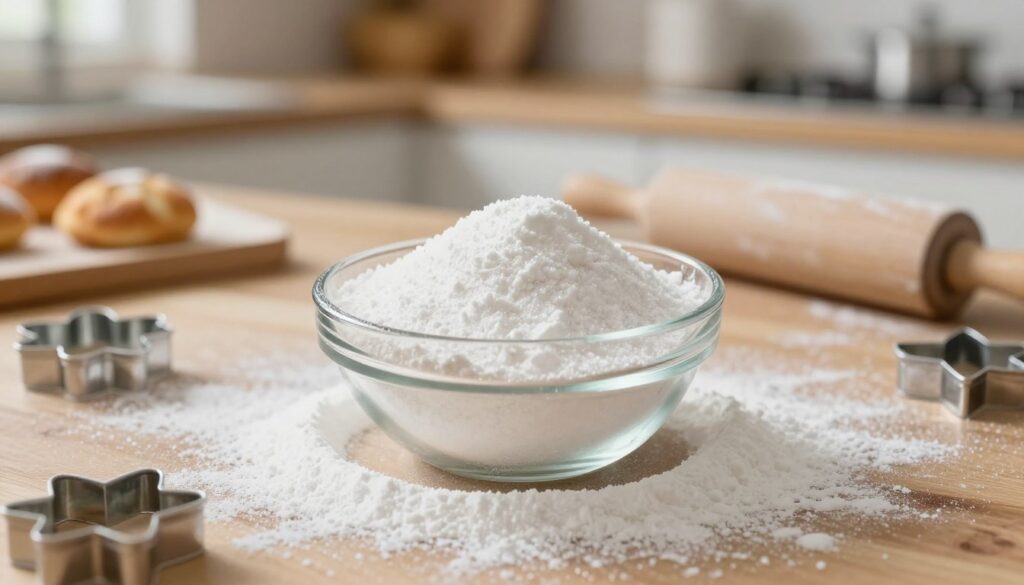
A lightly floured surface makes the roll and cut stage far less fussy and far more reliable. Dust the work surface with a little flour so the dough does not stick. This small step keeps edges tidy and speeds up the process.
When you roll dough, apply steady pressure and move the pin evenly. Aim for a uniform thickness so each biscuit bakes the same way. A consistent roll reduces wasted scraps and gives a neat top once iced.
- Prepare the area: use the flour work surface method to prevent sticking and to lift rounds easily.
- Roll cut cleanly: place the round cutter straight down and press firmly for sharp edges.
- Re-roll with care: gently bring scraps together; avoid overworking the dough to keep a tender crumb.
“A calm, floured workspace and a confident cutter make professional-looking results achievable at home.”

Baking for a Crisp and Tender Finish
Aim for a pale, even colour to guarantee a delicate texture in every biscuit. Place your trays in the preheated oven and bake for 12–15 minutes, watching the edges so the rounds stay pale and do not darken.
Remove trays while the centres still look slightly pale. Doing so keeps the centre soft and prevents the biscuit from turning hard or over-dry as it cools.
Once baked, transfer the biscuits to a wire rack and let them cool completely. Using a wire setup lets air circulate under each item, so they do not become soggy while losing residual heat.
This berry empire method helps the butter remain stable and avoids unwanted biscuits spread. It works whether you use a standard oven or a fan oven — just keep an eye on colour rather than time alone.
“By monitoring oven time carefully, you achieve the perfect balance of a crisp edge and a soft, buttery centre.”
Decorating Your Biscuits with Jam and Icing
The final assembly is simple, but careful icing and topping make all the difference to presentation and texture.
Achieving the Perfect Icing Consistency
Use a small bowl to mix icing sugar with a little water. Start with one tablespoon and add more, a drop at a time, until the mix is smooth and glossy.
Tip: Sift the icing sugar first so the mixture has no lumps. The right thickness will coat the top without running off in a single movement.
Adding the Finishing Touch
Spread a thin layer of raspberry jam or strawberry jam on the flat side of half your biscuits, then sandwich with the remaining rounds.
Once sandwiches are assembled, spread the icing over each top. Place half a glacé cherry or a halved cherry on the icing top and allow to set.
Avoiding Common Assembly Mistakes
Always ensure biscuits are cool completely on a wire rack before applying jam or icing. Warm biscuits cause the jam to slip and the icing to run.
Manage the icing thickness to prevent drips. If you prefer a modern twist, add a delicate chocolate drizzle or sprinkle chocolate shavings after the icing sets.
- To decorate: spread jam on the flat side before sandwiching.
- When you mix icing sugar: ensure it is lump‑free for a professional icing top.
- Final steps: cool on a wire rack, set the icing, then add cherries or chocolate.
| Step | Action | Timing | Reason |
|---|---|---|---|
| Sandwich | Spread jam between two rounds | Immediate | Even fruit layer, neat finish |
| Mix icing | Sift icing sugar, stir with water | 1–2 minutes | Glossy, lump‑free icing |
| Top | Spread icing and add cherry | Allow to set | Traditional decoration and structure |
| Cool | Place on wire rack to cool completely | 10–15 minutes | Prevents jam sliding and biscuits spread |
For variation and more sweet ideas, try pairing these with a simple no‑bake cheesecake recipe for a varied tea spread.
Tips for Storing and Serving Your Treats
A few simple storage rules will help your shortbread stay crisp and your icing remain glossy.
To keep the best texture, store finished biscuits in an airtight tin at room temperature for up to 4 days. This prevents moisture from softening the shortbread and keeps the sugar glaze looking bright.
Avoid the fridge. Cold air can soften the crumb and dull the icing on the top.
When serving, bring the biscuits to room temperature and pair them with a hot cup of tea or coffee. The warmth balances the jam and icing and makes the buttered crumbs taste more tender.
If you are gifting these treats, layer them with parchment paper in a decorative box. That protects the top decoration during transport and keeps each sandwich neat.
Make ahead: these mary berry recipes often taste better after a day, as flavours meld during standing time. Store them well and serve at room temperature for the best experience.
Conclusion
Good technique turns simple dough and sugar into a crisp, elegant teatime treat. A neat icing top with a glace cherry finishes each biscuit and gives a charming look to your plate.
Focus on timing: chill the dough, bake in a warm oven for the right minutes, then cool fully in a bowl or on a rack. Use a little water when mixing the icing so it spreads smoothly.
By choosing quality butter, flour and sugar you will make tender rounds that hold a raspberry jam sandwich well. This mary berry-inspired method yields classic empire biscuits with reliable decoration and flavour.
Enjoy sharing these berry empire bakes; they reward the time and make a sweet, confident finish to any tea.
FAQ
What are the key ingredients for a classic shortbread sandwich biscuit?
How thick should I roll the dough for even baking?
Why is chilling the dough important?
How do I prevent biscuits from sticking to the work surface when rolling?
What oven settings give the best results?
How do I make smooth glace icing for the top?
What’s the best way to assemble sandwich biscuits without them slipping?
How can I decorate without using glacé cherries?
What common mistakes should I avoid when assembling and decorating?
How should I store finished biscuits to keep them fresh?
Mary Berry Empire Biscuits
These classic teatime treats bring a touch of nostalgia to any afternoon spread. Crisp, buttery shortbread meets a neat layer of jam and a dab of icing, finished with a glacé cherry on top.
Ingredients
- 175 g unsalted butter, softened
- 75 g caster sugar
- 225 g plain flour
- 50 g cornflour
- 4 tablespoons raspberry or strawberry jam
- 150 g icing sugar
- 1–2 tablespoons water
- Glacé cherries for decoration
Method
- Preheat the oven to 180°C (160°C fan) and line trays with parchment.
- Cream the softened butter and caster sugar in a large mixing bowl until pale and airy.
- Sift together the plain flour and cornflour, then gradually add to the creamed mixture until combined.
- Roll the dough to about 5 mm thickness and cut out even rounds.
- Chill the shaped dough for 15–20 minutes before baking to prevent spreading.
- Bake in the preheated oven for 12–15 minutes until pale and slightly firm.
- Remove from the oven and let the biscuits cool on a wire rack.
- Spread a thin layer of jam on the flat side of half the biscuits and sandwich with the remaining rounds.
- Sift the icing sugar and mix with 1–2 tablespoons of water until smooth and glossy.
- Spread the icing over the top of each biscuit and place a glacé cherry on top.
- Allow the icing to set before serving.