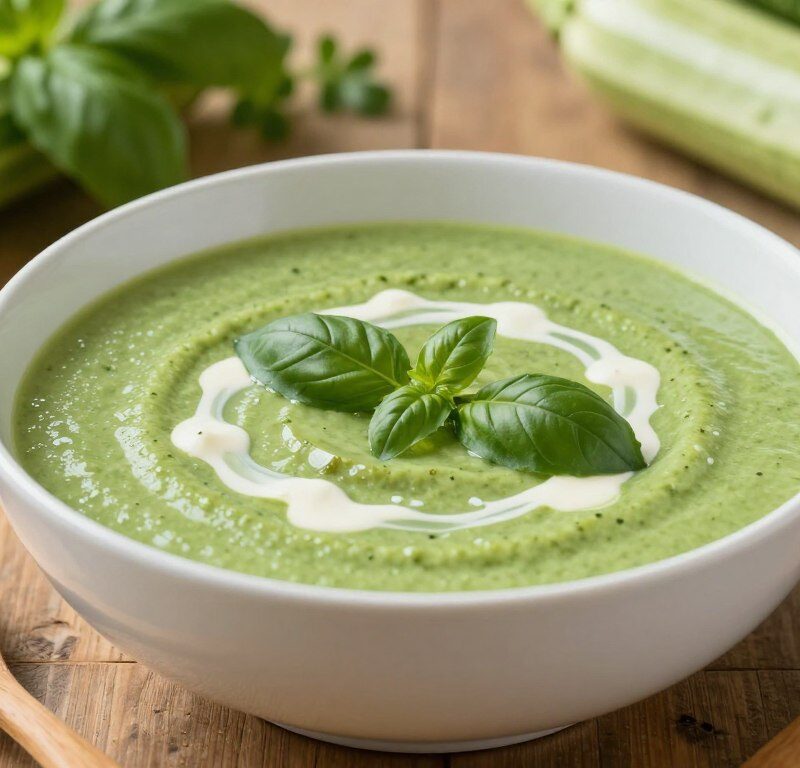
Mary Berry Courgette Soup is a light, velvety dish you can make in under 30 minutes. It balances the natural sweetness of courgettes with a smooth, creamy texture that feels both comforting and refreshing.
This recipe suits a quick lunch or an elegant dinner party. It is a healthy, homemade meal that showcases fuss-free, reliable cooking. mary berry’s style of simple, classic recipes shines through in every spoonful.
Serve it hot in winter for cosy comfort, or chilled in summer for a cool, crisp starter. The method is straightforward and the results feel special without fuss. Little effort gives a big payoff, making it ideal for busy days and social gatherings alike.
Key Takeaways
- Ready in less than 30 minutes for speedy preparation.
- Light and velvety texture highlights natural vegetable sweetness.
- Works as a casual lunch or an elegant starter for guests.
- Simple steps reflect classic, fuss-free cooking.
- Enjoy hot in winter or chilled in summer for seasonal versatility.
Why You Will Love This Mary Berry Courgette Soup
You can turn a few storecupboard items and fresh veg into a polished, low-calorie dish. This recipe packs vitamins while keeping calories down, so it suits a healthy weeknight plan or a lighter weekend meal.
The method uses simple staples and seasonal produce, making it quick to prepare for family dinners. Many cooks find that learning how to make mary berry dishes boosts confidence in the kitchen.
Its versatility is a major plus. Serve the soup as a light starter, or offer a larger portion as a satisfying main for guests. The smooth, elegant finish also makes it look special on the plate.
- Low in calories: nutritious without feeling heavy.
- Simple ingredients: mostly storecupboard items and fresh veg.
- Great practice: learning to make mary recipes helps build skills.
- Versatile: starter or main, hot or chilled.
“A quick, tasty option that looks and tastes like more than the effort it takes.”
Essential Kitchen Equipment
A few reliable tools will speed up prep and help you get a silky finish.
Start with a large saucepan or stockpot. It gives you room for vegetables and the litre of stock you will add. A roomy pan prevents boiling over and helps even cooking.
A sharp knife and sturdy chopping board make prep faster and safer. Cut courgettes, onions and potatoes into similar sizes so they cook evenly.
Use a wooden spoon to sweat the aromatics and stir without scratching pans. Its weight and feel make it easier to coat vegetables in butter or oil.
For texture, a reliable blender or hand blender is essential. It creates the signature silky finish that defines this mary berry classic.
Finally, keep a measuring jug close to measure exactly 1 litre of stock. Accurate liquid levels help you achieve the right consistency every time.
Fresh Ingredients for Your Soup
Gathering simple, high-quality ingredients makes a big difference to the final taste.
The main ingredients are 600g of fresh courgettes (about three medium), one large onion and two garlic cloves. These give a bright, aromatic start that defines the dish.
A medium potato, peeled and diced, lends natural body so you do not need flour. Use 1 litre of good vegetable or chicken stock as the liquid base — it shapes the overall flavour.
Add 100ml double cream or milk at the end for a touch of richness. Finish with 2 tbsp of fresh parsley, chopped, to add colour and freshness.
- 600g courgettes for base flavour and vibrant colour
- 1 large onion and 2 garlic cloves for a fragrant base
- 1 medium potato for thickness without flour
- 1 litre stock to form the liquid foundation
- 100ml cream or milk and 2 tbsp parsley to finish
“Use the best vegetable ingredients you can find; they repay the effort.”
Preparing the Vegetables
Good prep keeps the cooking calm and quick. Spend a few focused minutes setting out your board, knife and a tray for the chopped veg. This small step makes the rest feel effortless.
Washing and Chopping
Start by washing the courgette thoroughly under cold water to remove any grit. Trim the ends and chop into even pieces so they cook at the same rate.
Peel the onion and chop it finely. Mince the two garlic cloves so they release their flavour quickly when heated.
Even-sized vegetables are a crucial step. Matching piece sizes helps everything cook within the 30 minutes total time. Arrange the prepared vegetables on a tray so you can add them to the pan without delay.
- Wash and trim the courgette, then chop into uniform pieces.
- Peel and finely dice the onion; mince the garlic.
- Keep chopped vegetables on a tray for a smooth cooking flow.
The fresh mix of onion, garlic and courgette creates the essential vegetable base for this classic soup.
Sautéing the Aromatics
Warm a little olive oil in a large saucepan over medium heat until it shimmers but does not smoke. This initial step sets the scene for the rest of the cook and helps extract gentle flavours from the vegetables.
Add the finely chopped onion and the minced garlic cloves. Stir them in and keep the heat steady so they soften without browning. Cook for about 5 minutes; the short cook minutes let the onion release natural sugars.
Do not let the onion or garlic colour. Browning would change the delicate profile of the final vegetable soup.
Sautéing is a vital step. It builds a sweet, aromatic base that lets the courgette and potato blend into a smooth, well-rounded pot. This time on the heat gives depth without fuss.
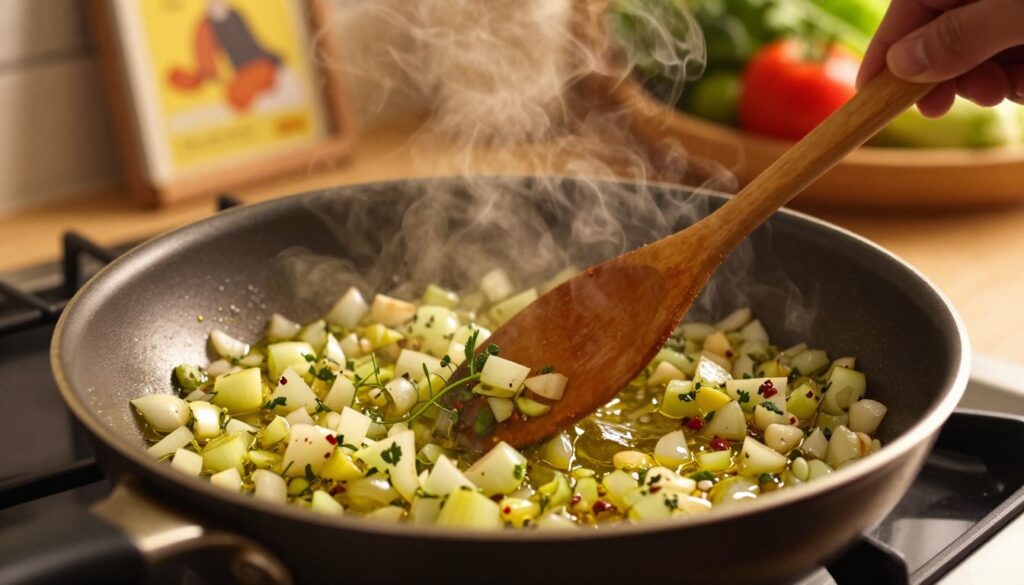
“A gentle sauté unlocks the sweetness of onion and garlic and defines the dish.”
Cooking the Courgettes and Potato
Gently soften the veg so they start to release their sweetness before any stock is added. This small cook time helps build the base flavour for the soup.
Washing and Chopping
Stir the chopped courgette and the diced potato into the pan. Ensure they are well coated with the butter or oil and the softened onion and garlic.
Keep the pan over a medium heat and cook for 3–4 minutes. These minutes vegetables release natural sugars and begin to tenderise without losing colour.
The potato acts as a natural thickener, giving body and a creamy texture later without too much cream. Softening the courgette slightly now means it will blend to a silky finish and not stringy bits.
- Stir to coat everything evenly.
- Watch the time so the veg stay bright and fresh looking.
- This step readies the pan for the simmer minutes with stock.
| Action | Duration | Benefit |
|---|---|---|
| Stir veg in pan | 3–4 minutes | Releases flavour |
| Maintain medium heat | Cook minutes noted | Preserves colour and texture |
| Prepare for stock | Next simmer minutes | Ensures even cooking and smooth blend |
“A brief sauté makes a big difference to flavour and final texture.”
Simmering with Stock
Introduce the stock by pouring in 1 litre of vegetable or chicken stock. Season immediately with salt and freshly ground black pepper to taste so the base is balanced from the start.
Bring the pot to a gentle boil, then cut the heat right down. This lowers the risk of overcooking and helps the vegetables to simmer slowly, soaking up the stock’s flavour.
Cover the saucepan with a lid and leave to simmer for 15–20 minutes. The minutes vegetables spend in the liquid are crucial; the potato and courgette must become completely tender.
This simmering is a key step in the mary berry approach, allowing the stock to infuse the vegetables so the final blend tastes rounded and deep.
When the veg are soft, check and adjust seasoning with salt and more black pepper if needed. At this point you can add a splash of milk or a little cream if you prefer before blending.
| Action | Time | Purpose |
|---|---|---|
| Pour 1 litre stock | Immediate | Creates cooking liquid and flavour base |
| Gentle boil then reduce | 1–2 minutes then low heat | Prevents tough veg and maintains colour |
| Covered simmer | 15–20 minutes | Tenderises potato and courgette; infuses taste |
| Season to taste | After simmer | Adjusts final salt and black pepper balance |
“Slow simmering lets the stock and vegetables combine into a clean, full-flavoured base.”
Blending for a Silky Texture
Cooling the pan briefly helps you blend safely and achieve a silky finish. Remove the saucepan from the heat and let it sit for a few minutes so the temperature falls slightly.
Using a hand blender
Work directly in the pot with a hand blender for the smoothest result. Pulse and move the wand gently until the mixture becomes glossy and even.
Achieving the Right Consistency
If you prefer a rustic bite, blend only part of the mix and leave some vegetable pieces whole. For an ultra-silk finish, process until no lumps remain and then stir in a splash of cream or milk to loosen the purée.
- Blend in short bursts while keeping the blender head below the liquid surface.
- If using a jug blender, work in small batches to avoid spills.
- Taste and adjust seasoning after blending; the stock and cream will alter the final texture and salt balance.
“This step transforms the pot into the silky, elegant dish that makes the recipe feel special.”
Adding Cream for Richness
For a luxuriously smooth finish, add cream or milk once the purée is back in the pan. Return the blended mix to a low heat and stir in 100ml double cream or a splash of milk for a softer mouthfeel.
Warm gently for 2–3 minutes, keeping the pan on low so the mixture never reaches a boil. High heat will risk the cream splitting and spoil the texture.
This step is optional. To make a lighter version, omit the cream or use skimmed milk. Adding dairy at the end preserves the vibrant colour and the silky, velvety finish that defines this classic vegetable dish.
Stir thoroughly to blend flavours and create a balanced finish suitable as a starter or main. If using stock-sourced seasoning adjustments are needed, taste and tweak now.
“Adding cream at the end keeps the texture glossy and the colour bright.”
| Action | Amount | Reason |
|---|---|---|
| Return purée to pan | All | Safe, even warming before enrichment |
| Stir in cream or milk | 100ml | Creates rich, silky texture |
| Warm gently | 2–3 minutes | Prevents splitting and preserves colour |
| Light option | Omit or use skimmed milk | Reduces calories while keeping flavour |
Adjusting Seasoning to Taste
The last tasting is the small, decisive act that turns a good pot into a great one. When you spoon a hot sample, note how the balance of herbs, cream and stock feels on your palate.
Taste carefully and add a little salt or freshly ground black pepper if needed. Remember that stock often carries salt already, so increase seasoning in small steps.
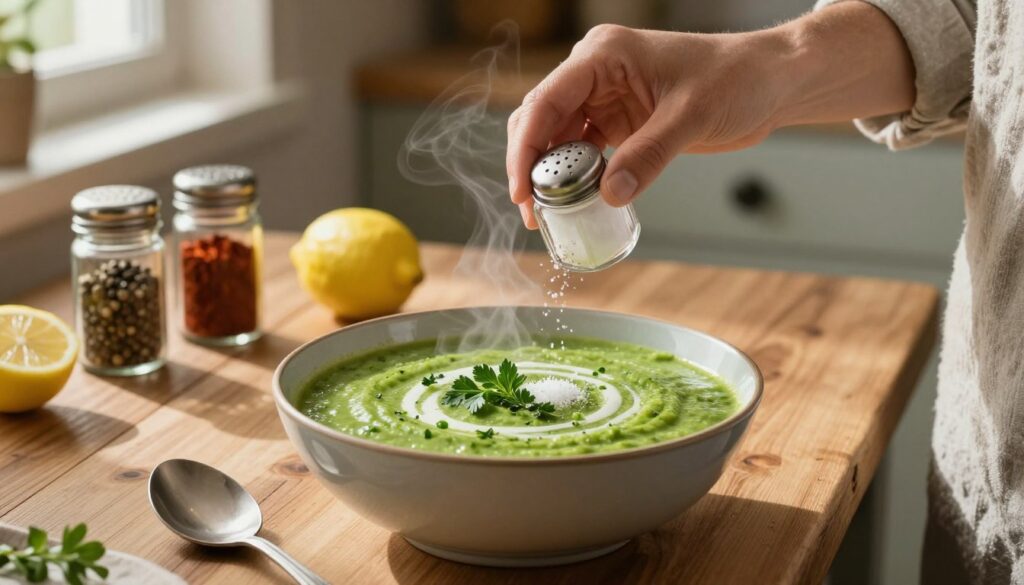
To brighten the bowl, try a tiny squeeze of lemon or a light sprinkle of grated Parmesan. These little changes lift the overall flavour without masking the vegetables.
Always taste again after adding the cream, because dairy can mellow the profile and mean you must fine-tune the salt and pepper once more.
“Proper seasoning is what separates a good soup from a great one — take this final step slowly and confidently.”
- Start with small additions — you can always add more.
- Re-taste after each change to get the perfect balance.
Serving Suggestions and Garnishes
Small finishing touches bring colour, texture and a fresh aroma to each serving. This simple step makes the bowl look and taste more inviting.
garnish fresh parsley across the top just before serving. The herb adds a bright note and a pleasant contrast to the creamy base.
Adding Fresh Parsley
Scatter chopped fresh parsley over each bowl for a burst of colour and gentle herb flavour. The leaf works especially well with a little drizzle of olive oil or a swirl of cream to finish.
Pairing with Crusty Bread
Serve with warm, crusty bread or a cheese scone to make the meal more filling. A slice brushed with oil and lightly toasted provides crunch and balances the silky texture of the soup.
- Ladle hot soup into warmed bowls and garnish fresh parsley immediately.
- Drizzle a small amount of olive oil or extra cream for an elegant finish.
- Offer crusty bread or cheese scones so guests can enjoy contrasting textures.
“Serve immediately to enjoy the textures and flavours at their best.”
Expert Tips for Success
Timing and gentle handling are the twin secrets to an exceptional finish. Keep an eye on simmer minutes so vegetables stay bright and full of flavour.
Use fresh, small courgette for best texture. Smaller fruit hold less water and give a sweeter taste. Add potato sparingly so the cream or milk version does not become too thick.
Do not overboil — reduce heat once the pot reaches a gentle boil. This preserves colour and avoids a bitter edge from overcooked vegetables.
- Blend in stages with a hand blender to control texture.
- Add chopped parsley and other herbs like parsley at the end to keep aroma.
- Taste and adjust seasoning with salt and black pepper near the finish.
“Small adjustments to heat and time transform a good recipe into a memorable meal.”
| Tip | Why it matters | Quick action |
|---|---|---|
| Use fresh, small courgette | Better flavour and less water | Choose firm, medium-sized pieces |
| Control simmer minutes | Preserves colour and taste | Bring to boil, then reduce heat and simmer 15–20 minutes |
| Blend in stages | Gives texture options | Pulse with a hand blender; finish with cream or milk |
| Add herbs last | Fresh aroma and colour | Scatter and garnish fresh parsley before serving |
Creative Variations to Try
A few small swaps in fat, liquid or herbs can turn this classic into a new, exciting version quickly.
Spicy kick: add a pinch of chilli flakes or a teaspoon of curry powder while sautéing the onion and garlic for warming heat and depth.
Vegan option: swap butter for olive oil and replace cream with plant-based milk to keep richness without dairy. This simple step makes the recipe fully plant-friendly.
Extra vegetables: stir in peas for sweetness or use leeks instead of onion for a gentler, layered flavour. Roasting some courgette beforehand caramelises sugars for a deeper taste.
Herb experiments: try basil, mint or thyme to alter aroma and finish. Scatter chopped parsley or a drizzle of olive oil to lift the final bowl.
“Small changes to ingredients and minutes of cooking can transform the texture and taste of the meal.”
Storage and Reheating Advice
A careful approach to cooling, storing and reheating preserves the fresh flavour and texture. After serving, cool the remaining soup quickly and transfer it to an airtight container.
Freezing for Later
Freeze only when the pot has fully cooled. Do not freeze the cream — leaving it out keeps the texture when thawed.
Label portions with the date and use within 3 months for best taste. Thaw overnight in the fridge before reheating.
Reheating Safely
Warm the soup gently on the stove over low heat. Stir often so the vegetable mix heats evenly and does not catch on the base.
If the purée becomes too thick, add a splash of milk or stock to restore a silky texture. Add cream and parsley only after the soup is piping hot.
| Storage | Duration | Practical tip |
|---|---|---|
| Fridge (airtight) | Up to 3 days | Keep chilled below 5°C |
| Freezer (no cream) | Up to 3 months | Portion before freezing |
| Reheat | Low heat, 5–10 minutes | Stir and check taste, add milk/stock |
“Always ensure leftovers are piping hot before serving and season to taste.”
Nutritional Profile
A modest portion pairs a creamy mouthfeel with a sensible calorie count.
The bowl delivers roughly 180 kcal per serving, making it a light option for a balanced day. It offers about 5g protein and 3g fibre, which help you feel satisfied without heaviness.
Using a light vegetable stock and a small amount of cream keeps richness while preserving nutrition.
- Calories: ~180 kcal per serving — ideal for a light meal.
- Protein: 5g and Fibre: 3g — supports fullness and digestion.
- Carbohydrates: 15g with Sugars: 6g — steady energy without spikes.
- Fat: 10g — mostly from a small amount of cream or a drizzle of olive oil.
- Natural ingredients and vegetables supply vitamins, minerals and supportive herbs for flavour.
| Nutrient | Amount | Why it matters |
|---|---|---|
| Calories | ~180 kcal | Light choice for lunch or starter |
| Protein | 5 g | Aids muscle repair and satiety |
| Fibre | 3 g | Supports digestion and fullness |
| Fat | 10 g | Balanced mouthfeel from cream or olive oil |
For a lighter version, reduce the cream and use a good quality stock. This keeps the clean vegetable taste and the silky texture that makes the mary berry style so appealing in a simple soup.
“Small swaps in stock and cream keep the nutrition high without losing creamy texture.”
Conclusion
Finish confidently: a few careful choices produce a creamy, bright bowl that feels special. Keep the texture silky by warming gently and stirring in the cream at the end.
Garnish fresh parsley just before serving to add colour and a gentle herb lift. Scatter a little fresh parsley and a final drizzle of olive oil to garnish fresh bowls and make them look inviting.
Remember to adjust seasoning to your own taste. Taste, tweak and serve warm — these small steps help you confidently make mary berry style recipes and also make mary variations with ease.
Enjoy this simple, elegant soup with good bread. We hope this soup becomes a staple in your kitchen and a go-to for quick, lovely meals.
FAQ
How long should I simmer the vegetables?
Can I use a different stock than vegetable stock?
Do I need to peel the courgettes and potato?
What’s the best way to blend for a silky texture?
Can I use milk instead of cream to make it lighter?
How much garlic should I use?
How do I adjust the seasoning properly?
Which herbs work well besides parsley?
Can I add cheese or chicken to make it a heartier meal?
How should I store and reheat leftovers?
Is this soup freezable?
Any tips for achieving the right texture after blending?
What kitchen equipment do I need?
Can I make creative variations of this recipe?
Mary Berry Courgette Soup
Mary Berry Courgette Soup is a light, velvety dish that balances the natural sweetness of courgettes with a smooth, creamy texture. It is perfect for a quick lunch or an elegant dinner party, showcasing fuss-free, reliable cooking.
Ingredients
- 600g courgettes, chopped
- 1 large onion, finely chopped
- 2 garlic cloves, minced
- 1 medium potato, peeled and diced
- 1 litre vegetable or chicken stock
- 100ml double cream or milk
- 2 tbsp fresh parsley, chopped
- Olive oil
- Salt and black pepper to taste
Method
- Wash and trim the courgettes, then chop into uniform pieces.
- Peel and finely dice the onion; mince the garlic.
- In a large saucepan, warm a little olive oil over medium heat until it shimmers.
- Add the finely chopped onion and minced garlic, and sauté for about 5 minutes until softened but not browned.
- Stir in the chopped courgettes and diced potato, coating them well with the oil and aromatics. Cook for 3-4 minutes.
- Pour in 1 litre of stock and season with salt and pepper. Bring to a gentle boil, then reduce the heat and cover to simmer for 15-20 minutes until the vegetables are tender.
- Remove the pan from heat and let it cool slightly before blending until smooth with a hand blender.
- Return the blended soup to low heat and stir in the double cream or milk. Warm gently for 2-3 minutes without boiling.
- Taste and adjust seasoning as needed. Serve hot, garnished with fresh parsley.