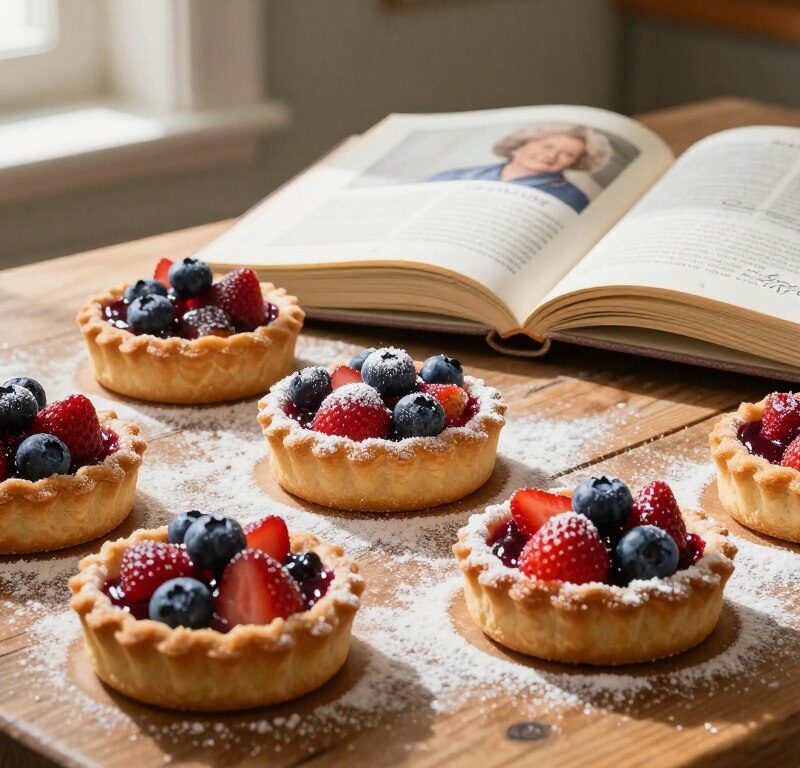
Mary Berry Sweet Shortcrust Pastry is a tender, buttery base that makes tarts and pies sing. This classic British recipe uses 225g plain flour and a touch of sugar to give structure and light sweetness.
The inclusion of 50g icing sugar and one egg yolk creates a richer, melt-in-the-mouth texture than standard shortcrust. Gentle handling of the dough and short chilling time help the mixture roll out easily and bake into a golden shell.
This recipe is ideal for novice bakers. Each simple step leads to professional-looking results, whether you fill the case with fruit, custard or chocolate. With basic ingredients and clear technique, home baking becomes straightforward and rewarding.
Key Takeaways
- The recipe provides a tender, buttery base for tarts and pies.
- Use 225g plain flour and 50g icing sugar for the best texture.
- An egg yolk enriches the mixture for a melt-in-the-mouth finish.
- Simple steps make this suitable for beginners aiming for professional results.
- Handle the dough gently and chill briefly for a golden, tender shell.
Why Choose Mary Berry Sweet Shortcrust Pastry
Generous butter in the mix transforms a simple base into a delicate shell that holds fillings beautifully. This short, clear recipe gives reliable results in less time, making it ideal for home bakers who want consistent texture with minimal fuss.
Texture Benefits
The high fat content from 125g of cold unsalted butter creates a signature melt-in-the-mouth texture. The balanced ratio of flour and sugar produces a tender crumb that still keeps a crisp edge once baked.
Versatility
This shortcrust pastry works as a neutral, professional base for fruit tarts, custard pies or chocolate fillings. The dough is easy to handle, so beginners can follow each step without stress.
- Chill the dough to prevent shrinkage and ensure even baking.
- Freeze portions to save time on future baking projects.
- Use this recipe for a wide range of tarts, pies and sweet treats.
Essential Ingredients for Your Pastry
Gathering the right ingredients sets the foundation for a flawless tart shell every time. For this mary berry shortcrust pastry recipe, precise measures matter. Use quality items and keep them cold.
Key components:
- 225g plain flour — the structural base for neat cases and crisp edges.
- 125g cubed cold unsalted butter — rub in to create flaky pockets of richness.
- 50g icing sugar — adds gentle sweetness and a smooth crumb.
- 1 large egg yolk — binds the mix and gives a golden colour.
- 1–2 tablespoons cold water — add a little at a time until the dough just comes together.
- A pinch of salt — balances the flavours for tarts and pies.
Measure carefully and keep the butter chilled. That single step helps the mixture hold its shape during rolling and baking. If the mix feels too dry, add an extra splash of water; if it’s sticky, chill briefly.
“Use cold hands and quick, light movements to protect the butter and get a tender, flaky base.”
Necessary Kitchen Equipment
The right kit helps you move from messy mixing to neat, bake-ready cases. Start with a large mixing bowl to combine flour and butter without spills. This keeps the work tidy and speeds up the process.
Use a pastry cutter or your fingertips to rub the butter into the flour until the mix looks like fine breadcrumbs. That action protects the fat and makes the dough tender.
A rolling pin ensures an even thickness across the sheet of shortcrust. Wrap the shaped dough in cling film and chill; resting helps the gluten relax and prevents shrinkage when baking.
Choose a sturdy tart or pie tin to hold form while baking. For blind baking, line the case and fill with baking beans to weigh it down and stop puffing.
Keep these items ready:
- Large mixing bowl
- Pastry cutter or fingertips
- Rolling pin
- Cling film
- Tart/pie tin and baking beans
| Equipment | Purpose | Quick Tip |
|---|---|---|
| Mixing bowl | Combine flour and butter | Use a large size to avoid mess |
| Rolling pin | Even thickness for the pastry | Roll from centre to edge |
| Baking beans | Weight for blind baking | Reuse beans dedicated to baking |
Preparing the Dry Ingredients
Start with the flour and icing sugar—sifting these into a large mixing bowl keeps the flour mixture light and lump-free. Add a small pinch of salt to balance the sugar and lift the overall flavour of the base.
Make sure your 125g of cold, cubed butter is ready before you begin. Cold cubes stop the fat from melting during mixing and help the dough form delicate pockets for a flaky result.
Gently combine the sifted dry ingredients with the butter until the blend looks sandy and uniform. This step takes only a few minutes, but it sets the foundation for successful baking.
- Sift flour and icing sugar into a large bowl.
- Add a pinch of salt to the flour mixture.
- Use cold, cubed butter and mix until the texture resembles fine crumbs.
“Keep the butter and flour cool — that small caution makes a big difference.”
Mastering the Rubbing in Process
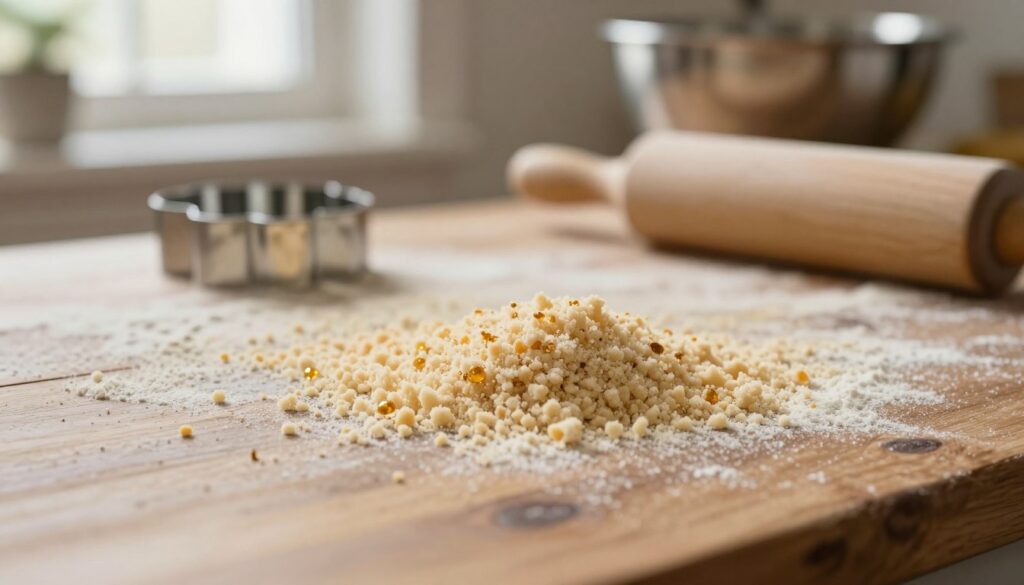
The rubbing-in stage is where a good dough becomes a great one — aim for a sandy, even mix.
Start cold. Cube chilled butter and add it to the sifted flour. Use your fingertips to gently rub the butter into the flour until the mixture looks like fine breadcrumbs.
Keep your hands cool and work briskly. This takes only a few minutes, so move with light, even pressure to protect the butter pockets that give the ideal texture.
Avoid overworking the mix. If you press too hard or for too long the dough becomes tough rather than tender. Check for any large lumps of butter and break them down so no visible pieces remain.
Achieving Fine Breadcrumbs
- Use fingertips to rub butter into the flour until it resembles fine breadcrumbs — this is the hallmark of great shortcrust pastry.
- mary berry stresses this step for a light, crumbly base that bakes evenly.
- Work quickly, keep the butter cool and stop once the blend is sandy and uniform.
“Gentle rubbing gives you a delicate, flaky result — resist the urge to overmix.”
Bringing the Dough Together
Stirring the egg yolk into the sandy mix brings a silkier texture and helps the dough start to bind. After you have the breadcrumb consistency, add the egg and mix briefly so richness spreads through the mixture.
Next, add 1–2 tablespoons of water a spoon at a time. Use tablespoons cold water and pause between additions. Stop once the dough begins to come together.
Handle the blend with your hands only as much as needed to form a smooth, cohesive ball. Do not knead — keeping movement light protects the butter pockets that make the base tender.
Transfer the mass to a lightly floured surface to finish shaping. Work quickly so the dough stays cool; this final step takes only a few minutes and transforms the flour mixture into a soft, manageable dough.
| Action | Quantity | Why it matters |
|---|---|---|
| Stir in egg yolk | 1 yolk | Adds richness and helps bind the mixture |
| Add cold water | 1–2 tablespoons | Hydrates without overworking; prevents toughness |
| Handle gently | Hands only | Protects butter pockets for a tender base |
“Bring the dough together with calm, light movements — quick work and cool hands give the best result.”
The Importance of Chilling Your Pastry
Chilling the dough is a small step that yields a major difference in finished texture. Wrap the ball in cling film and refrigerate for 20–30 minutes before rolling. This short rest makes the mix far easier to handle.
Relaxing the Gluten
Resting time lets the gluten relax so the dough rolls smoothly. Relaxed gluten prevents snapping and tearing and keeps the final case tender. Cold keeps the butter firm and preserves the flaky pockets that give the shortcrust pastry its lift.
Preventing Shrinkage
Chilling also cuts shrinkage. Once you have lined the tart tin, chill the case for at least 10 minutes before baking. That extra time reduces the risk of the pastry pulling away from the sides.
Quick reminders:
- Wrap the dough in cling film and refrigerate for 20–30 minutes.
- Keep the dough cold so the butter stays solid and the texture stays flaky.
- After lining a tart tin, chill for at least 10 minutes before baking.
“A short chill saves time in the oven and makes rolling out a simple, calm task.”
Rolling Out the Dough Evenly
Lightly dust the work surface before you roll so the dough slides without tearing. Use only a small amount of flour to stop sticking while keeping the mix dry.
Roll the dough evenly, turning it a little as you go. Aim for a thickness of about 3mm — roughly the size of a pound coin — for a crisp shortcrust base that cooks through without burning.
Work from the centre outward with gentle pressure. This helps form a neat circle and avoids thin spots at the edges. Check the fit against your tart tin as you roll to match the size needed for your case.
If the dough softens, chill it for a few minutes to firm the butter and make handling easier. A short rest in the fridge prevents tearing and keeps the pastry manageable during baking.
- Dust surface lightly with flour to prevent sticking.
- Turn the dough while rolling to keep thickness even.
- Return to the fridge for a few minutes if it becomes too soft.
“A cool, even sheet gives the most reliable, professional finish.”
Lining Your Tart Tin
Gently lift the chilled disc and let it settle into the tin, easing it into place rather than stretching the dough. Press it lightly into the edges and corners so the shape is neat and well defined.
Stretching while lining is a common cause of shrinkage during baking. If the sheet pulls or feels tight, press to release it and rest in the fridge for a few minutes before continuing.
Trim any excess pastry with a sharp knife for a clean finish. Prick the base lightly with a fork to let trapped air escape and to prevent bubbling while the case blind bakes.
- Carefully drape the rolled pastry so you do not stretch the dough as you press it into the base of the tin.
- Press gently into edges and corners to create a professional tart or pie shape; use small, even movements.
- Trim overhang, prick the base and patch any tears with a little leftover dough, pressing to seal.
- This careful lining step helps the shortcrust base hold its form throughout the baking time.
“Take your time when lining the tin — neat, cool pastry saves fuss in the oven.”
The Art of Blind Baking
Blind baking makes the difference between a soggy base and a crisp, golden tart shell. It is a simple, two-step process that sets the structure of the shortcrust pastry before any filling goes in.
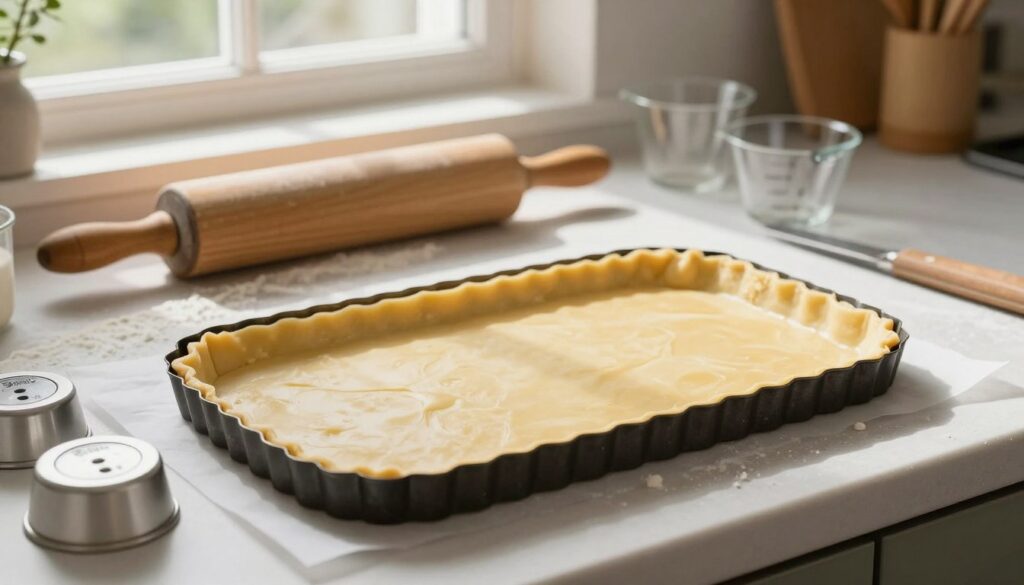
Using baking beans keeps the lined tin flat and prevents puffing. Line the case with parchment and fill it with beans so the edges stay true while the dough firms up.
Using Baking Beans
Preheat the oven to 200°C (180°C fan). Bake the weighted case for 12–15 minutes to set the flour and butter in the base.
Remove the parchment and beans, then return the tin to the oven for a further 5 minutes baking. This short final burst crisps the surface and seals the shell against wet fillings like custard or fruit.
- Line the pastry with parchment and fill with beans to keep the shape.
- Bake at 200°C (180°C fan) for 12–15 minutes with the beans in place.
- Remove beans and paper, then bake 5 more minutes to get a golden finish.
- This step prevents a soggy bottom and guarantees a fully cooked base before filling.
“Blind baking is the secret to a crisp base—recommended for any tart that will hold moist fillings.”
Common Mistakes to Avoid
Avoiding a few common mistakes will save you time and give a crisp tart every time.
Warm butter is a frequent culprit. If the butter gets too soft the dough turns greasy and flat, losing its texture and shape. Use properly chilled unsalted butter and work quickly to keep pockets of fat intact.
Do not add too much cold water. A splash or one to two tablespoons is usually enough. Excess water makes a tough, chewy dough instead of a tender base.
Overworking the mix develops gluten. Rub butter into the flour only until you see fine breadcrumbs. Stop when the mixture looks sandy and combine with the egg gently.
Skipping the chill step causes shrinkage. Rest the wrapped dough in the fridge for the recommended time so it relaxes and holds the edges when placed in the tin.
Stretching the sheet into the tin also makes the case spring back during the minutes baking. Ease the sheet in, press lightly and trim excess for neat, even edges.
| Mistake | Why it happens | Fix |
|---|---|---|
| Warm butter | Butter melts while mixing | Chill butter; use cold hands |
| Too much water | Dough becomes sticky | Add water a spoon at a time |
| Overworking dough | Gluten develops | Rub to fine breadcrumbs; stop early |
| Skipping chill | Shrinkage in tin | Chill 20–30 minutes before rolling |
“Always use cold ingredients and follow each step of the recipe to prevent common baking pitfalls.”
Creative Flavour Variations
A few simple twists make the tart shell sing with new flavours.
Add citrus by grating lemon or orange zest into the flour. This brightens the base and lifts fruit fillings instantly.
For a richer option, fold a tablespoon of cocoa into the dough. The chocolate note works well with cream or fruit tarts and adds depth to the bake.
Try ground almonds in place of a small portion of the flour for a nutty texture that pairs beautifully with berries or custard.
Swap icing sugar for coconut sugar to give the case a subtle caramel note. A teaspoon of vanilla extract or a pinch of dried lavender will add a fragrant finish.
- Use lemon zest in the flour for freshness.
- Add a tablespoon of cocoa for a chocolate base.
- Mix in ground almonds to enhance texture and flavour.
- Replace sugar with coconut sugar for a caramel tone.
- Include vanilla or lavender for a delicate aroma.
Tip: Keep additions light so the dough still binds with the egg and a little water. These variations let you adapt the classic recipe to lemon curd, rich ganache or any favourite filling.
“Small flavour tweaks transform a simple shell into something memorable.”
Storing and Freezing Your Dough
Proper storage preserves the butter pockets that give the tart shell its best texture. Wrap the raw dough tightly in cling film and chill in the fridge for up to 3 days.
For longer time, freeze the dough for up to 2 months. Thaw it in the overnight fridge before you roll so the dough relaxes and is easy to handle.
If you have already baked your shortcrust pastry shells, keep them in an airtight container at room temperature for up to 2 days. This keeps the crisp edge and flavour.
To refresh a baked shell, preheat the oven to 160°C and warm it for 5 minutes. That short baking step restores crispness better than a microwave, which softens the shell and ruins the texture.
- Store raw dough wrapped in cling film in the fridge for up to 3 days.
- Freeze for up to 2 months; thaw in the overnight fridge before rolling.
- Baked shells: airtight at room temperature for 2 days; refresh at 160°C for 5 minutes.
“Treat stored dough gently and use cool rests between steps to protect the flour and butter structure.”
Serving Suggestions for Sweet Tarts
A well-baked case becomes the canvas for bright fruit, creamy custards and rich ganaches.
Fill the chilled pastry with fresh fruit and classic crème pâtissière for a light, elegant summer tart. This combination keeps each slice delicate and visually appealing.
For a richer option, pour a smooth chocolate ganache into the shell and top with fresh raspberries or mixed berries. The contrast of glossy ganache and juicy fruit is superb.
Classic custard tarts finished with a light dusting of nutmeg remain a British favourite. Make sure the base is properly sealed through blind baking using parchment and beans to avoid a soggy bottom.
Lemon curd or citrus creams add a sharp, refreshing balance to sweet cases. Berry compotes bring vibrant colour and seasonal flavour, ideal for festive gatherings or afternoon tea.
- mary berry suggests filling crisp shells with fresh fruit and crème pâtissière for an elegant finish.
- A chocolate ganache with fresh raspberries offers a sophisticated contrast to the buttery shortcrust pastry.
- Use classic custard fillings after careful blind baking with beans to ensure a fully set base.
- Try lemon curd for a zesty lift or berry compotes for seasonal colour and flavour.
“Choose fillings that balance texture and flavour to let the shell shine.”
Nutritional Profile
This recipe’s nutrition per serving gives a helpful guide for portion control at dessert time.
Per serving, the tart case contains roughly 240 calories. That makes it a manageable treat when balanced with a lighter filling.
The carbohydrates total about 28g, providing the quick energy you expect from a sweet course. Sugar sits at 9g per slice, so the base still tastes pleasantly sweet without being cloying.
Fat is important here: 12g of fat per serving is what gives the dough its tender, flaky character. Each slice also supplies 3g protein and 1g fibre for a modest nutritional balance.
Use these figures to plan desserts for guests or to adapt recipes. If you blind bake shells and top them with fruit or light cream, you can keep portions satisfying yet sensible.
| Nutrient | Per serving | Notes |
|---|---|---|
| Calories | 240 kcal | Suitable as an occasional dessert portion |
| Carbohydrates | 28 g | Provides energy for a sweet finish |
| Fat | 12 g | Key to the tender shortcrust texture |
| Protein | 3 g | Small contribution to satiety |
| Fibre | 1 g | Minor; pair with fruit for more fibre |
| Sugar | 9 g | Keeps the base pleasantly sweet |
“Understanding these numbers helps you enjoy home baking while keeping portions in check.”
Conclusion
Perfect results come from steady, simple steps. A well-made shortcrust pastry gives you a crisp, tender texture that shows in every slice.
The mary berry approach helps the dough come together without fuss. Gentle handling and short rests keep the butter pockets intact and the base even.
Use the overnight fridge for longer rests when time allows. A brief chill for 20–30 minutes also helps and often saves you extra minutes at the bench.
Whether making a classic custard tart or a bright lemon pie, this recipe rewards patience. With practice, confident baking becomes the norm and your tarts will impress every time.
FAQ
What are the essential ingredients for a reliable sweet shortcrust pastry?
How do I achieve fine breadcrumbs when rubbing in the butter?
Why is chilling the pastry important and how long should it rest?
How can I prevent my pastry case from shrinking during baking?
What is the correct method for blind baking with baking beans?
Can I use fine breadcrumbs in the base and why would I?
What equipment do I need to make shortcrust pastry successfully?
How do I roll out the dough evenly to avoid thin spots?
What are common mistakes to avoid when making shortcrust pastry?
How can I add flavour variations without compromising texture?
What are the best ways to store or freeze pastry dough?
How long should I blind-bake the base before adding a wet filling?
Are eggs needed in sweet shortcrust pastry and what do they do?
What serving suggestions work well with a sweet tart base?
How does the nutritional profile of a sweet shortcrust tart look?
Mary Berry Sweet Shortcrust Pastry
A tender, buttery base that makes tarts and pies sing, this classic British recipe is ideal for novice bakers.
Ingredients
- 225g plain flour
- 125g cold unsalted butter, cubed
- 50g icing sugar
- 1 large egg yolk
- 1–2 tablespoons cold water
- A pinch of salt
Method
- Sift the plain flour and icing sugar into a large mixing bowl and add a pinch of salt.
- Rub the cold, cubed butter into the flour mixture until it resembles fine breadcrumbs.
- Stir in the egg yolk and mix briefly to combine.
- Add cold water a tablespoon at a time until the dough just comes together.
- Wrap the dough in cling film and refrigerate for 20–30 minutes.
- Roll out the chilled dough on a lightly floured surface to about 3mm thickness.
- Gently lift the rolled pastry and line a tart or pie tin, pressing it into the edges.
- Trim any excess pastry and prick the base with a fork.
- Chill the lined tin for at least 10 minutes before blind baking.
- Preheat the oven to 200°C (180°C fan) and bake the lined pastry with baking beans for 12–15 minutes.
- Remove the beans and parchment, then bake for an additional 5 minutes until golden.