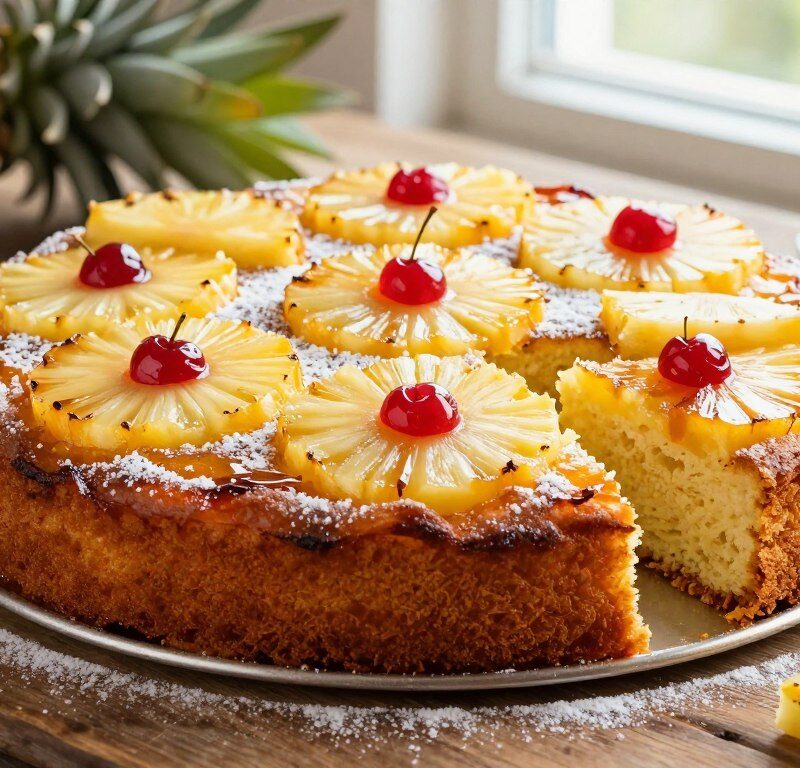
This classic British pud brings warm nostalgia to any afternoon tea. The simple all-in-one method makes the recipe friendly for beginners and yields a glossy, professional finish that pleases every guest.
Each slice pairs caramelised fruit with a light, buttery sponge. The balance of sweet topping and soft crumb creates a timeless treat that remains popular in modern kitchens.
Follow the straightforward steps here and you will recreate the moist texture and fruity flavour that make this dessert a family favourite. Preparing it is rewarding and results in a beautiful presentation that will impress visitors.
Key Takeaways
- Simple all-in-one method makes the recipe ideal for beginners.
- The topping gives a glossy, caramelised finish and sweet flavour.
- The sponge stays moist and light when mixed and baked correctly.
- This traditional pud suits afternoon tea and casual gatherings.
- Clear steps help achieve a reliable, impressive result every time.
The Timeless Appeal of a Mary Berry Pineapple Upside Down Cake
This classic pudding pairs caramelised pineapple rings with a soft, buttery sponge for a sweet, nostalgic treat. The glossy topping is revealed when the tin is turned out, giving a golden, syrupy finish that charms every guest.
Retro yet reliable, this dessert brings a light, tender sponge that balances the rich fruit syrup. It works for afternoon tea or a festive dinner and feels comforting whether served warm or chilled.
For extra indulgence, add a scoop of vanilla ice cream or a spoonful of whipped cream. These simple additions boost the syrupy fruit and make each slice more luxurious.
- Golden, syrupy topping and tender sponge.
- Foolproof all-in-one batter for consistent results.
- Versatile serving: warm, cold, with cream or ice cream.
| Serving | Best Temperature | Suggested Accompaniment |
|---|---|---|
| Tea-time slice | Warm | Whipped cream |
| After-dinner dessert | Cold | Vanilla ice cream |
| Party centrepiece | Room temperature | Extra syrup and fresh fruit |
Essential Ingredients for Your Sponge and Topping
Start by gathering every ingredient so the bake proceeds without hurry or waste. Having measured items to hand saves time and keeps the batter consistent.
Selecting Quality Butter and Flour
Use 175g of soft butter for the sponge and 50g for the topping to get a rich, moist crumb and a glossy base. Choose 175g self-raising flour and 1 tsp baking powder to provide the right lift.
Good butter and fresh flour make a visible difference in texture and flavour when you bake.
Preparing Your Pineapple Rings
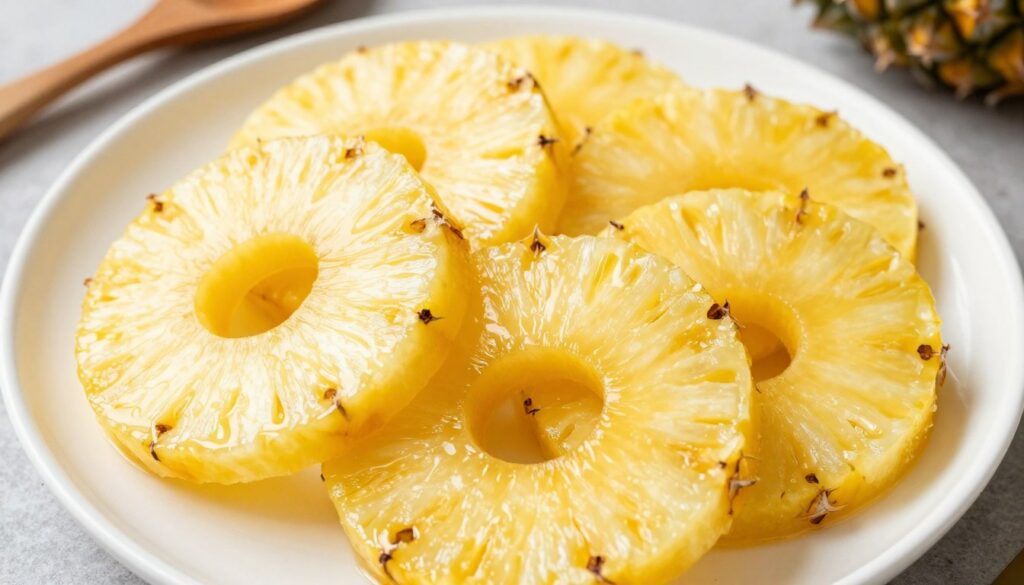
For the topping, arrange 7 pineapple rings with 7 glacé cherries in the base of an 8-inch (20cm) cake tin. Melt 50g light brown sugar with 50g butter to create the caramel that the fruit will sit on.
- 175g self-raising flour + 1 tsp baking powder for structure.
- 175g soft butter and 175g caster sugar for a tender sponge.
- 3 large eggs, 2 tbsp milk and 1 tbsp pineapple juice for moisture.
- 7 pineapple rings and 7 glacé cherries to make neat slices on the base.
Have all ingredients ready in your kitchen before you start. This simple prep step makes the baking process smooth and enjoyable.
Preparing the Caramelised Fruit Base
Create the glossy base first so your topping shines when the tin is turned out.
Begin by melting 50g of butter with 50g of light brown sugar in a small pan over low heat. Stir gently until the mixture is smooth and syrupy; this step takes only a few minutes and needs low heat to avoid burning.
Pour the caramel into your cake tin, tilting it so the base is evenly coated. Proper coverage prevents the pineapple slices from sticking and gives a uniform, shiny top once inverted.
- Arrange seven pineapple rings neatly on the caramel; place a glacé cherry in each centre for the classic look.
- Reserve the juice from the tin — a splash can be added to the batter for extra fruit depth.
- Preheat the oven to 180°C (160°C fan) / 350°F so it is ready when the base and batter are prepared.
| Step | Action | Tip |
|---|---|---|
| Make caramel | Melt butter and brown sugar in a pan | Use low heat and stir for 2–3 minutes |
| Line tin | Pour caramel into the cake tin | Tilt to cover base evenly |
| Arrange fruit | Place pineapple rings and cherries | Reserve juice for batter |
Mastering the All-in-One Sponge Batter
Get the sponge right by combining all your wet and dry ingredients in one bowl for a quick, reliable batter.
Start with measured ingredients to avoid overworking the mix. Add 175g self-raising flour and 1 tsp baking powder into a large bowl. Add 175g butter, 175g sugar, 3 eggs, 2 tbsp milk and 1 tbsp juice.
Achieving the Perfect Consistency
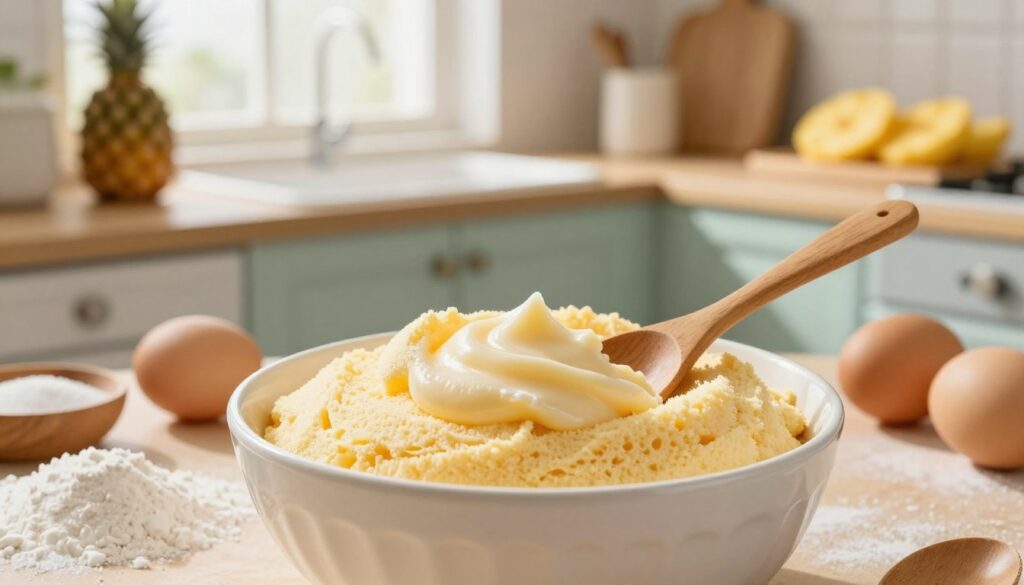
Use an electric whisk to beat the ingredients until the batter is smooth and creamy. Beat just long enough to aerate the mix; this gives a light sponge without overmixing.
Carefully spoon the batter over the arranged pineapple rings, covering the fruit fully so the topping sits evenly when inverted. Smooth the top with a spatula to help the cake rise uniformly in the oven.
Tip: Fresh eggs and soft butter improve flavour and texture. The all-in-one method keeps the process simple and reliable for home baking.
- Combine measured flour, powder, butter, sugar, eggs, milk and juice in one bowl.
- Beat with an electric whisk until creamy and aerated.
- Spoon and smooth batter over rings to ensure an even top.
| Action | Why it matters | Quick note |
|---|---|---|
| Weigh ingredients | Ensures correct structure and rise | Use scales for accuracy |
| Beat with electric whisk | Incorporates air for a light sponge | Stop when smooth and glossy |
| Spoon over fruit | Keeps rings in place and topping even | Smooth surface before baking |
Baking and Turning Out Your Masterpiece
Place the filled tin in the preheated oven at 180°C (160°C fan) / 350°F. Bake for 30–35 minutes until the sponge is golden and springs back when lightly touched.
Check doneness by inserting a skewer into the centre. It should come out clean, showing the batter is cooked through. Keep to the bake minutes to avoid drying the delicate base and fruit.
When the time is up, remove the pan from the oven and let it rest for 5 minutes. This short pause helps the caramelised topping set and makes turning out easier.
- Run a knife round the edge of the cake tin while still warm.
- Invert carefully onto a serving plate so the rings and slices remain neat on top.
- Maintain the correct temperature throughout baking to keep the sponge light and fluffy.
| Step | What to do | Quick tip |
|---|---|---|
| Bake | 30–35 minutes at 180°C / 350°F | Oven temperature steady for even rise |
| Test | Skewer inserted into centre should be clean | Check in the final minute of bake minutes |
| Turn out | Rest 5 minutes, run knife around tin, invert | Pineapple rings should glisten on the top |
Creative Twists and Serving Suggestions
Experimenting with nuts, spices or dairy-free swaps lets you adapt the recipe to every guest.
Adding a nutty crunch: Scatter chopped pecans or walnuts into the caramel base before arranging the pineapple rings in the tin. The nuts add texture and a toasty note that contrasts with the soft sponge.
Incorporating spices: Stir a pinch of cinnamon or nutmeg into the batter for warmth. A little vanilla and a dash of baking powder remain unchanged, but the spice lifts the overall flavour.
Dairy-free alternatives: Swap butter for plant-based margarine and use almond or oat milk at room temperature. These simple swaps keep the batter light and let those who avoid dairy still enjoy the dessert.
- Serve warm with a scoop of vanilla ice cream or a spoonful of cream to balance the caramel sugar.
- If you add extra slices or fruit, check doneness with a skewer inserted into the centre during the final bake minutes.
| Variation | Key change | Best served with |
|---|---|---|
| Nutty crunch | Chopped pecans in the base | Light cream or ice cream |
| Spiced sponge | Cinnamon or nutmeg in batter | Warm, with vanilla |
| Dairy-free | Plant margarine and oat milk | Fruit compote |
Conclusion
A reliable recipe, room temperature ingredients and a touch of patience deliver the best results. Use steady oven heat and a gentle turn-out to keep the topping glossy.
Drain the fruit well and add a splash of juice to the batter for extra moisture. Measure brown sugar and eggs carefully to balance sweetness and structure for a moist cake.
Serve warm with a scoop of vanilla ice cream or a dollop of cream, or add a little ice for a chilled contrast. Try variations from the recipes here and make this classic pineapple upside-down cake your own delightful dessert.
FAQ
What size of cake tin should I use?
Can I use fresh rings instead of tinned slices?
How do I prevent the caramel from sticking to the tin?
What’s the best way to test if the sponge is baked?
Can I make the sponge using an all-in-one method?
How long should I cool the cake before turning it out?
What oven temperature is recommended?
How can I add a nutty crunch without upsetting the topping?
Are there good dairy-free swaps for the sponge and topping?
Can I add spices to the batter, and which ones work best?
How can I serve the dessert for best effect?
Is it possible to reduce the sugar in the topping?
Mary Berry Pineapple Upside Down Cake
This classic British pud brings warm nostalgia to any afternoon tea. The simple all-in-one method makes the recipe friendly for beginners and yields a glossy, professional finish that pleases every guest.
Ingredients
- 175g soft butter
- 175g caster sugar
- 3 large eggs
- 175g self-raising flour
- 1 tsp baking powder
- 2 tbsp milk
- 1 tbsp pineapple juice
- 7 pineapple rings
- 7 glacé cherries
- 50g light brown sugar
Method
- Preheat the oven to 180°C (160°C fan) / 350°F.
- Melt 50g of light brown sugar with 50g of butter in a small pan over low heat until smooth and syrupy.
- Pour the caramel into an 8-inch (20cm) cake tin, tilting to cover the base evenly.
- Arrange 7 pineapple rings and 7 glacé cherries in the caramel.
- In a large bowl, combine 175g self-raising flour, 1 tsp baking powder, 175g butter, 175g sugar, 3 eggs, 2 tbsp milk, and 1 tbsp pineapple juice.
- Beat the mixture with an electric whisk until smooth and creamy.
- Spoon the batter over the arranged pineapple rings, smoothing the top with a spatula.
- Bake in the preheated oven for 30-35 minutes until golden and a skewer inserted into the center comes out clean.
- Let the cake rest for 5 minutes, then run a knife around the edge and invert onto a serving plate.