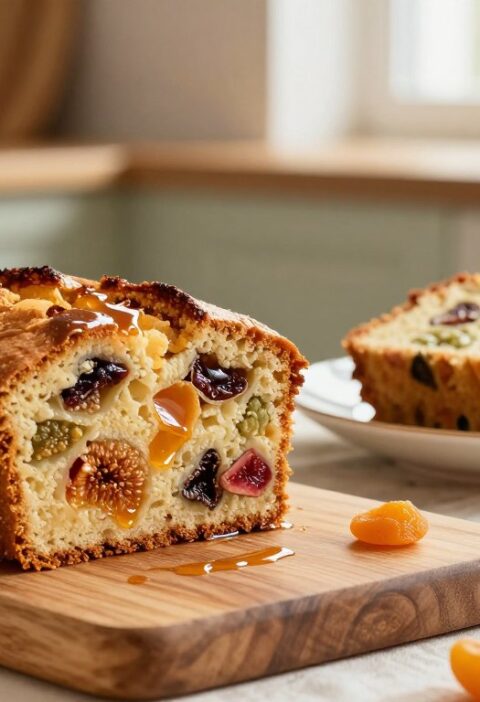
Mary Berry is a trusted name in British baking, known for clear guidance and classic flavour. This version from Fast Cakes pairs a soft, buttery sponge with juicy fruit and a crisp, golden crumble.
The result is comforting and straightforward. The texture stays light and airy, while warm cinnamon lifts the fruit.
Use seasonal apples at their peak to get the best taste. The recipe suits bakers of all skill levels and delivers a professional finish with little fuss.
Serve slices at afternoon tea or bring one to a casual get‑together. This treat celebrates harvest flavours and keeps preparation friendly and efficient.
Key Takeaways
- Reliable classic: a dependable recipe from a renowned baker.
- Simple steps: approachable method for home bakers.
- Great texture: light sponge with a sandy, crunchy topping.
- Seasonal flavour: best with ripe, juicy apples.
- Versatile serving: perfect for tea, sharing or a cosy dessert.
Why You Will Love This Mary Berry Dutch Apple Cake
Imagine a light, buttery sponge studded with juicy fruit that keeps every slice moist. The designer intended a balanced bake where tartness cuts through the richness.
Easy to make: the method is straightforward and ideal for busy cooks. It yields a professional-looking result without fuss.
The fruit sits on the sponge base and creates little juicy pockets as it bakes. These pockets keep the cake moist and add bright, natural sweetness.
Lighter than a heavy pie, this tray bake is perfect warm with cream or a scoop of ice cream. The crumble topping brings a crunchy contrast without weighing the dessert down.
- Versatile: good for casual tea or a smart pud.
- Dependable: a go‑to recipe that pleases most guests.
- Texture: sandy crumble, soft sponge and juicy apples.
Essential Ingredients for Your Pantry
Gathering measured, quality ingredients is the first step to a reliable home bake. Keep everything ready and weighed to ensure an even rise and consistent flavour.
Dry Ingredients
- 175g softened unsalted butter and 175g caster sugar for a light, fluffy sponge.
- 175g self-raising flour plus 1 tsp baking powder to give lift.
- 2 tbsp milk for the correct batter texture.
- For the crumble: 75g plain flour, 50g cold cubed butter and 50g light brown sugar.
Fresh Produce
- 3 large eggs are required for structure and moisture.
- 450g cooking apples — Granny Smith work best for tartness and bite.
- 1 tbsp lemon juice and 1 tsp ground cinnamon to brighten and warm the flavour.
- Optional: 1 tsp almond extract to deepen the sponge aroma.
Tip: Keep the ingredients at room temperature for best results and to help the sponge rise evenly.
Kitchen Equipment You Will Need
A small set of reliable tools makes a big difference when you bake at home. Gather these items before you start so the process stays calm and focused.
Essential tin: use a 23cm round cake tin recommended by mary berry to help the sponge bake evenly and hold its shape.
Mixing kit: a sturdy mixing bowl and an electric hand mixer speed up creaming. If you prefer low tech, a wooden spoon works well for a gentle method.
Prep tools: a sharp knife and chopping board make peeling and slicing the fruit fast and safe. Keep a spatula handy to scrape batter from the bowl.
Measuring and lining: an accurate kitchen scale is vital for consistent results. High-quality baking parchment prevents sticking and eases removal from the cake tin.
- 23cm round cake tin
- Mixing bowl and hand mixer or wooden spoon
- Sharp knife, chopping board, spatula
- Kitchen scale and baking parchment
Preparing the Sponge Base
Start by creaming the softened butter and caster sugar until the mixture is pale and airy. This step traps air and gives the sponge lift.
Beat in the eggs one at a time, mixing well after each addition. If the mix looks a little separated, a spoonful of flour will help it come together.
Achieving the Perfect Texture
Sift the self-raising flour and baking powder over the bowl. Fold them in gently with the milk to keep the air you have created.
Some recipes call for melted butter folded in after the eggs and sugar. A splash of lemon juice in the batter brightens the flavour and balances the sugar.
Preheat the oven to 180C/Gas 4 so the temperature is stable. Use a spatula to spread the mixture evenly into your prepared cake tin. A level surface helps the apples sit neatly and bake evenly.
“Light creaming, careful folding and a warm oven are the small steps that make a reliable, tender sponge.”
Mastering the Apple Layer
Thin, even slices of apple will cook through during the long bake and give a neat top.
Peel, core and slice the fruit thinly so each piece softens while the sponge rises. Toss the slices with a little lemon juice and a pinch of cinnamon to stop browning and add warm flavour.
Arrange the slices in a single, even layer across the tin. Raw fruit is best here: it will soften and keep juicy pockets in the sponge as it bakes. Spread the pieces so every slice of the cake has fruit.
If you have extra, create a simple pattern on the top for a professional look. The tartness of the apples cuts through the rich, buttery sponge and gives balance to each mouthful.
- Tip: Keep slices uniform for even cooking.
- Tip: Avoid overcrowding the tin to prevent soggy spots.
Creating the Perfect Crumble Topping
A loose, sandy crumble creates contrast and seals in the fruit’s juices as the sponge bakes.
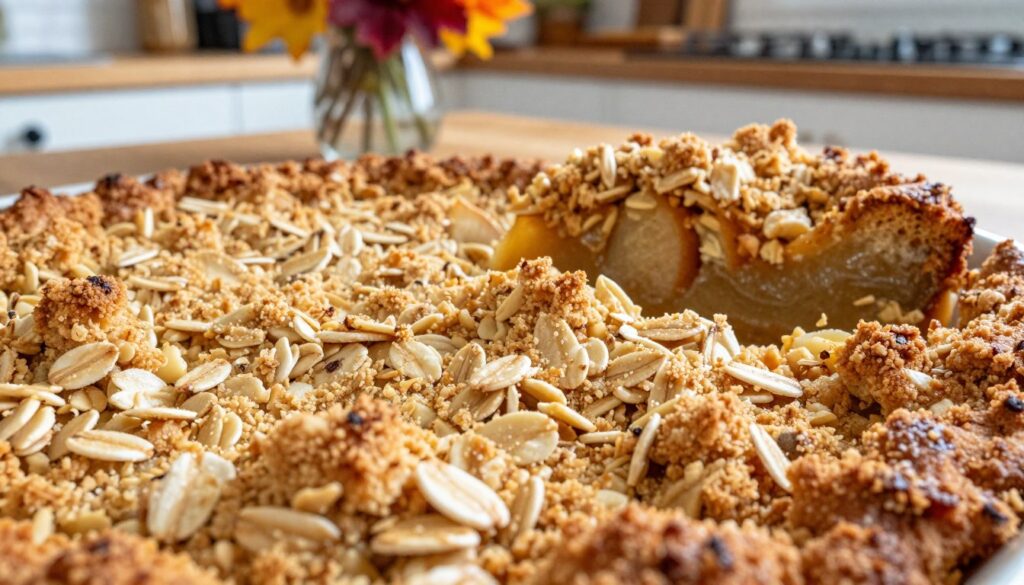
Rubbing in the Butter
Chill and cube the butter, then rub it into the plain flour with your fingertips. Work quickly until the mix looks like coarse breadcrumbs.
Using cold butter keeps the pieces distinct. This stops the topping turning into a paste and helps it bake into crisp fragments.
Adding Sugar
Stir in the light brown sugar so it spreads evenly through the crumbs. The sugar will caramelise in the oven and give the top a rich colour and deep flavour.
Do not press the crumble down. Keep it loose on the top to preserve a sandy texture that stays crunchy.
Tip: The crumble acts as a protective layer, ensuring the fruit beneath stays juicy while the sponge cooks. This simple step elevates a basic sponge into a classic tray-style cake.
| Step | Ingredient | Result |
|---|---|---|
| Rub in | Cold cubed butter + plain flour | Coarse breadcrumbs for a light texture |
| Mix | Light brown sugar | Golden, caramelised top with rich flavour |
| Finish | Loose topping on cake | Crisp, sandy top that protects the fruit |
Baking Instructions for Golden Results
A consistent oven temperature is the foundation of a good golden finish. Preheat to 180C/Gas 4 and make sure the rack sits mid-oven.
Line a 23cm round cake tin with parchment so the sponge releases easily after cooling. Spoon the mixture into the prepared tin and arrange the fruit slices evenly on top.
Bake for about 1 hour to 1 hour 15 minutes. The top should be golden brown and feel firm when you press the crumble lightly.
Insert a skewer into the centre of the sponge; it should come out clean when the bake is done. Ovens vary, so check after 60 minutes and add time if needed.
Allow the tray to rest in the tin for 10 minutes. Then transfer to a wire rack to cool completely before slicing. This helps the sponge set and keeps the topping crisp.
The mix of self-raising flour, baking powder and caster sugar helps the sponge rise evenly. If you used melted butter in the batter, expect a slightly denser, more moist result that pairs beautifully with the apples on top.
Troubleshooting Common Baking Issues
A few simple adjustments can stop a promising tray bake turning soggy or flat. Use these quick checks to diagnose problems and get a reliable finish.
Soggy centres
If the centre is damp, the usual cause is overly thick fruit or excess moisture in the slices. Thin the fruit evenly and pat the sliced apples dry on kitchen paper before adding them to the tin.
Use tart Granny Smith fruit for structure and avoid piling the pieces. Bake until a skewer comes out clean; that is the best test the mixture is set.
Dense sponge
A heavy sponge often follows overmixing. Fold the flour in gently to keep air in the batter. Be careful when adding eggs and sugar — stop as soon as the mixture looks even.
Pale topping
If the crumble stays pale, either bake a few extra minutes or check the butter was cold when rubbed in. If the top browns too fast, loosely tent foil for the final 15 minutes in the oven.
Quick checks — dry sliced fruit, gentle folding and a clean skewer — save many bakes.
Serving Suggestions for Afternoon Tea
A warm slice served with a generous spoon of lightly whipped cream and a hot cup of tea makes any afternoon feel special. For a richer treat, add a scoop of vanilla ice cream so the hot sponge and cold ice create a lovely contrast.

Try a light drizzle of warm custard to lift the spiced notes of the fruit. A dusting of icing sugar just before serving gives a neat, professional finish for guests.
This recipe works well as a casual morning snack or a formal dessert. Serve portions straight from the tin after resting for 10 minutes, or chill slices for a different texture — the mix of warm and cold is always popular.
“A simple plate, good tea and the right accompaniments turn a tray bake into a memorable teatime treat.”
Storage and Freezing Advice
A little attention after baking will keep the fruit juicy and the crumble crisp for days. Always cool the tray completely on a wire rack before you cover it. Trapped steam makes the topping soggy and shortens shelf life.
Short-term storage: Put slices in an airtight container at room temperature for up to two days to preserve the moist sponge and balanced sugar level. In warmer climates, store in the refrigerator to extend freshness for up to a week.
Freezing for Later
Freeze individual slices wrapped tightly in foil or plastic; they keep for up to one month. Label packages with the date so you know when to use them.
- Warm frozen slices gently in the oven for a few minutes or use a short burst in the microwave to refresh the texture.
- Use a sharp knife for clean slices to keep layers intact when serving later.
For a festive variation, see the mary berry Christmas cake for related storage tips and serving ideas.
Conclusion
A crisp, buttery topping over a light, fragrant sponge makes this bake a welcome teatime treat. Follow the clear steps from Fast Cakes and you will achieve reliable, professional results.
Use firm, juicy apple and handle the batter gently to protect the airy texture. The balance of butter, sugar and spice keeps each slice moist and satisfying.
This recipe suits everyday baking and special occasions alike. Try it warm with cream or cool for a slice with your morning coffee — a dependable, comforting dessert to add to your collection of favourite recipes.
FAQ
What type of apples work best for this recipe?
Can I substitute self-raising flour with plain flour and baking powder?
Is caster sugar necessary, or can I use granulated sugar?
How should I prepare the apple slices so they bake evenly?
What size tin should I use and do I need to line it?
How do I know when the cake is fully baked?
Can I add almond extract or spices to the batter?
What should I do if the topping browns too quickly?
How long can I store the cake, and can it be frozen?
What are good serving suggestions for afternoon tea?
How can I avoid a dense sponge?
Is it possible to make this in a square or rectangular tin?
Mary Berry Dutch Apple Cake
A comforting and straightforward cake featuring a soft, buttery sponge paired with juicy apples and a crisp crumble topping.
Ingredients
- 175g softened unsalted butter
- 175g caster sugar
- 3 large eggs
- 175g self-raising flour
- 1 tsp baking powder
- 2 tbsp milk
- 450g cooking apples (Granny Smith recommended)
- 1 tbsp lemon juice
- 1 tsp ground cinnamon
- 75g plain flour (for crumble)
- 50g cold cubed butter (for crumble)
- 50g light brown sugar (for crumble)
- Optional: 1 tsp almond extract
Method
- Preheat the oven to 180C/Gas 4 and line a 23cm round cake tin with baking parchment.
- Cream the softened butter and caster sugar until pale and airy.
- Beat in the eggs one at a time, mixing well after each addition.
- Sift the self-raising flour and baking powder over the mixture and fold in gently with the milk.
- Spread the mixture evenly into the prepared cake tin.
- Peel, core, and slice the apples thinly, then toss with lemon juice and a pinch of cinnamon.
- Arrange the apple slices in a single, even layer on top of the sponge mixture.
- For the crumble topping, rub the cold cubed butter into the plain flour until it resembles coarse breadcrumbs.
- Stir in the light brown sugar and keep the crumble loose.
- Sprinkle the crumble topping over the apples.
- Bake for about 1 hour to 1 hour 15 minutes, until golden brown and a skewer inserted into the sponge comes out clean.
- Allow the cake to rest in the tin for 10 minutes before transferring to a wire rack to cool completely.