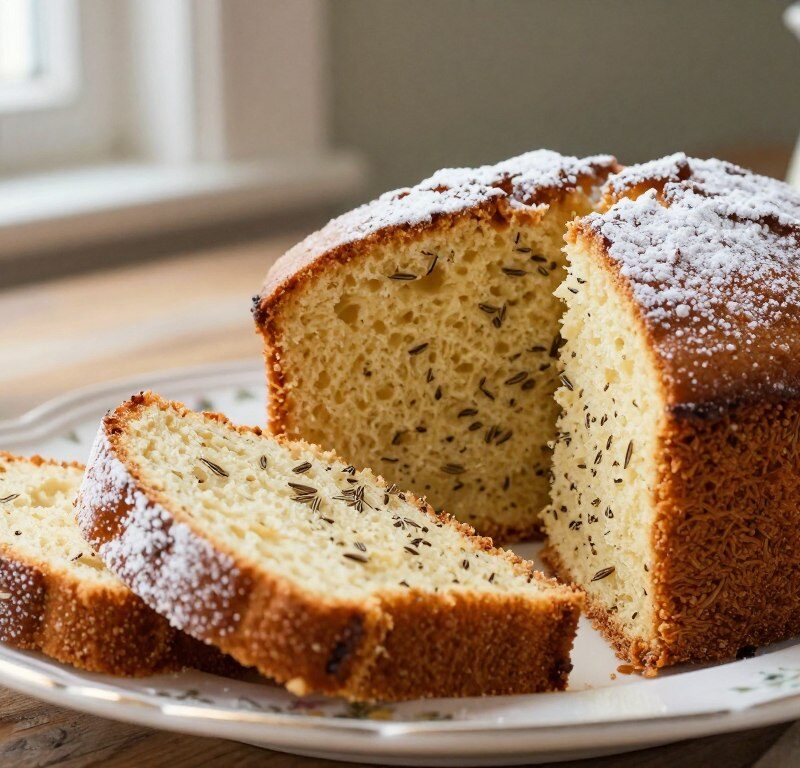
This classic Mary Berry Seed Cake is a quintessential British bake cherished across the United Kingdom for generations.
Our clear recipe guides you step by step to recreate this nostalgic teatime treat in your own kitchen. The instructions focus on simple technique and reliable timing so even a novice can succeed.
The flavour of this traditional loaf-style bake stands apart from modern sponges. You will notice a delicate, buttery crumb and a light aroma from the included seed and citrus notes.
We also explore the history and methods that ensure your final result is as light and buttery as the original. Whether you are new to baking or a seasoned home cook, this guide sets you up for a successful, aromatic cake.
Key Takeaways
- The Mary Berry Seed Cake is a time-honoured British teatime favourite.
- The step‑by‑step recipe suits both beginners and experienced bakers.
- Simple techniques deliver a light, buttery texture and classic flavour.
- Precise timing and temperature help reproduce the authentic result.
- Small adjustments can personalise aroma and crumb without losing tradition.
The Timeless Appeal of Mary Berry Seed Cake
The appeal of this vintage sponge lies in its balance of flavour and texture. This classic British loaf blends butter, sugar, eggs and flour with a note of caraway for a gentle aniseed lift.
Mary Berry’s version keeps the sweetness measured and the spice subtle. The result is a light, aromatic slice that feels both elegant and homely.
The distinctive aniseed-like flavour sets this bake apart from modern sponges. It pairs beautifully with a hot cup of tea or coffee and is a favourite for afternoon gatherings.
Home bakers prize how the recipe yields a fine, buttery crumb and a pleasingly soft texture without being heavy. By following the traditional method, you create a loaf that honours classic British baking while remaining simple enough for everyday sharing.
- Balanced sweetness and spice for every slice
- Comforting aroma and light, buttery crumb
- Perfect for teatime and small gatherings
A Brief History of Traditional Seed Cake
Originating in the 18th century, this traditional British loaf blended simple storecupboard ingredients with small aromatic seeds to create a comforting teatime treat.
Early recipes show the seeds were valued not just for flavour but for practical reasons. Caraway was often added to aid digestion, and over time its subtle aniseed-like note became part of the cake’s identity.
The Role of Caraway Seeds
Caraway seeds give a gentle, spicy lift that never overwhelms the sponge. Their tiny crunch and scent set this loaf apart from other tea bakes.
- Recorded from the 18th century, this loaf has been a British baking staple for centuries.
- Seeds originally helped digestion and later became prized for flavour.
- Modern recipes and cooks have preserved the traditional method and taste.
Knowing this history helps you appreciate why seeds remain essential in recipes that honour classic baking. The result is a familiar, nostalgic slice that still feels timeless.
Essential Ingredients for Your Bake
Careful ingredient choices set the foundation for a successful traditional loaf every time. Use measured, room-temperature components for consistency and an even rise.
Choosing Quality Fats
175g softened butter gives the sponge its rich flavour and tender crumb. You may swap a neutral oil, but butter yields the classic result.
Selecting the Right Seeds
Measure 1½ tbsp caraway seeds precisely. Too many seeds will overwhelm the loaf; too few will lose the signature hint.
“Good ingredients save time in technique — they are the simplest way to better bakes.”
- 175g caster sugar
- 3 large eggs
- 225g self-raising flour, 1 tsp baking powder
- 2 tbsp milk, pinch of salt
| Ingredient | Amount | Purpose |
|---|---|---|
| Butter | 175g | Richness and tender crumb |
| Large eggs | 3 | Structure and moisture |
| Caraway seeds | 1½ tbsp | Signature flavour |
| Milk | 2 tbsp | Loosens batter |
Preparing Your Kitchen and Equipment
Before you begin, tidy your work surface and get the oven ready. Good preparation makes the bake run smoothly and helps the loaf brown evenly in the oven.
Preheat the oven to 180C/160C fan (Gas 4). Grease the base and sides of a 900g/2lb loaf tin and line it with non-stick baking paper so the loaf releases easily after baking.
Using a sturdy metal tin gives a well-browned base and avoids a soggy bottom. Cut the paper to size so it fits neatly inside the tin and prevents sticking to the sides.
Set a timer: a typical loaf takes about 45–50 minutes to bake depending on your oven and whether you use a fan setting.
- Line and grease the tin for simple release.
- Check the oven thermometer if you doubt the set temperature.
- Organise ingredients and tools before you start following the recipes.
| Task | Detail | Why it matters |
|---|---|---|
| Preheat | 180C / 160 fan / Gas 4 | Ensures even rise and correct baking time |
| Prepare tin | Grease base & sides, line with baking paper | Avoids sticking and keeps loaf shape |
| Choose tin | Sturdy metal 900g / 2lb | Promotes a browned base and even heat |
The All-in-One Mixing Method
The all-in-one mixing method speeds up preparation and keeps the batter consistent. It begins by creaming the butter and sugar until pale and light. This creates the base for a fine crumb and stable rise.
Whisk in the large eggs, one at a time. Add each egg fully before the next so the mixture stays smooth and airy. Stir in 2 tbsp milk to loosen the batter and prevent dryness.
- Place all ingredients in a large bowl.
- Cream butter and sugar, then add the first egg and beat well.
- Add remaining eggs one by one, then mix in flour, salt and seeds gently.
- Fold only until combined to avoid a tough texture.
- Transfer the mixture to the prepared tin and bake as instructed for the given minutes.
| Action | Amount/Note | Why it matters |
|---|---|---|
| Cream butter & sugar | 175g butter, caster sugar | Lightens mixture for fine crumb |
| Add eggs | 3 large eggs, one at a time | Stabilises batter and prevents splitting |
| Milk | 2 tbsp | Loosens batter to avoid dryness |
Achieving the Perfect Bake
Getting the temperature right is the key step between a good bake and a great one. Follow precise oven settings and a gentle cooling routine to protect the crumb and improve flavour.
Oven Temperature Settings
Bake at 160C fan for 40–45 minutes. This setting gives a steady heat that browns the base and edges without drying the centre.
If the top is darkening too quickly, tent the loaf with a sheet of baking paper for the last 10 minutes to avoid burning while the interior finishes.
Testing for Doneness
Check the centre with a skewer; if it comes out clean the loaf is done. The surface should be golden and springy to the touch.
When removed, leave the loaf in the tin for 10 minutes to settle the mixture, then turn it out onto a wire rack to cool completely.
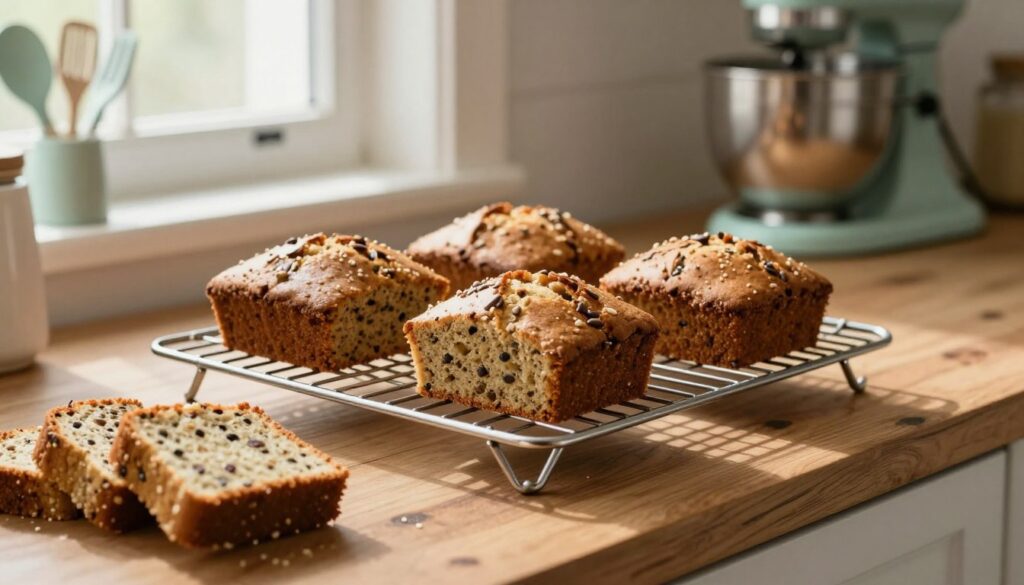
“Allowing the loaf to rest for a day before slicing deepens the flavour as the seeds infuse the sponge.”
- Bake at 160 fan for 40–45 minutes; aim for a golden, springy centre.
- Use a skewer test — clean means ready.
- Cool in the tin for 10 minutes, then transfer to a wire rack.
- Tent with baking paper if browning too fast.
- Resting the loaf for a day can improve the overall flavour and texture.
| Step | Timing | Why it matters |
|---|---|---|
| Oven | 160C fan | Even bake and gentle browning |
| Bake minutes | 40–45 minutes | Ensures set centre and golden crust |
| Cool | 10 minutes in tin, then wire rack | Prevents collapse and keeps base crisp |
Common Mistakes to Avoid
Small errors during mixing or baking often spoil the texture more than the flavour. Keep each step simple and deliberate to protect the loaf’s delicate crumb.
Too many seeds will mask the gentle aroma that defines this classic mary berry cake. Measure carefully and try a smaller quantity if you prefer a subtler hit of spice.
Poorly lined tin is a frequent culprit when slices break on removal. Grease the sides and fit baking paper neatly so the loaf lifts out cleanly.
Overbaking dries the crumb. Check your oven temperature, start testing a few minutes early, and use a skewer for a reliable doneness check.
Overmixing toughens the batter. Fold flour and seeds in only until combined to keep the sponge light and airy.
Cold ingredients can spoil the texture. Bring butter and eggs to room temperature so they blend smoothly and trap the right amount of air.
“Simple care at each stage saves time and gives a consistently tender loaf.”
| Mistake | Effect | Quick Fix |
|---|---|---|
| Too many seeds | Overpowering flavour | Reduce to 1 tbsp or taste test |
| Unlined tin | Sticking and breaking | Grease sides and line with paper |
| Overbaking | Dry crumb | Check temp; skewer test early |
| Overmixing | Tough texture | Fold until just combined |
| Cold ingredients | Uneven rise | Bring to room temperature before mixing |
Creative Variations and Flavour Twists
Small flavour changes lift a traditional loaf into new afternoon‑tea territory. These tweaks keep the classic feel while adding fresh notes and varying the texture.
Adding Citrus Zest
Add finely grated orange or lemon zest to the mixture for a bright lift.
Use 1 tsp of zest for a subtle aroma or 1 tbsp for a stronger citrus tone. The zest pairs well with the buttery base and enhances overall flavour without overpowering it.
Incorporating Dried Fruit
Stir in a small handful of sultanas or currants to change the texture and add sweet pockets of fruit.
For crunch, add 30–40g chopped nuts. These choices create pleasing contrast and a homely, rustic mouthfeel.
Using Alternative Seeds
If you like to experiment, swap caraway for fennel or anise seeds for a sweeter, milder aroma.
Try reducing to 1 tsp at first to test how the new seeds affect flavour and balance.
Swaps and serving ideas:
- Replace some butter with a light spread or 25–50ml olive oil to alter richness.
- Serve slices with a smear of cream cheese or a spoonful of fruit compote for a modern finish.
| Variation | Amount to Try | Effect on Texture/Flavour |
|---|---|---|
| Citrus zest (lemon/orange) | 1 tsp–1 tbsp | Brightens flavour; complements butter |
| Dried fruit (sultanas/currants) | 30–50g | Adds chew and bursts of sweetness |
| Alternate seeds (fennel/anise) | 1 tsp initially | Sweeter, milder seed note |
| Oil swap (part olive oil) | 25–50ml | Alters crumb; lighter mouthfeel |
Storage and Serving Suggestions
Treat leftovers with care: store the loaf in an airtight container at room temperature to keep slices fresh for up to 5 days.
For longer storage, wrap individual slices well and freeze them for up to 2 months. Defrost in the kitchen at room temperature or warm from frozen.
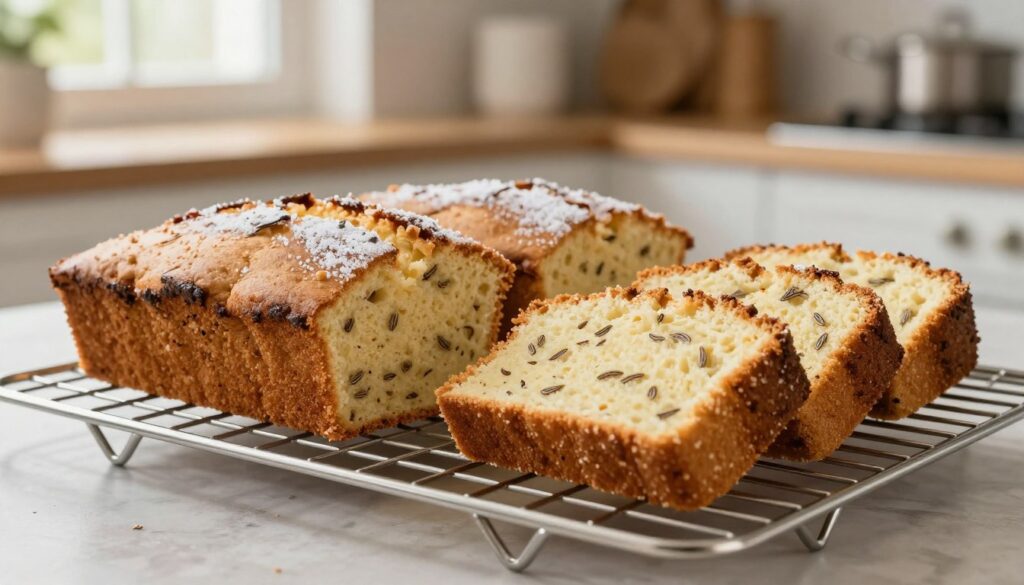
Allowing the loaf to rest for a day improves the flavour as the seeds and butter in the mixture settle and meld.
To serve, warm slices in the oven for 5–7 minutes or zap briefly in the microwave for 10–15 seconds for a softer texture.
This loaf works brilliantly with a strong cup of tea and also complements a savoury cheese board. Try offering small slices alongside a bowl of jam or a smear of soft cheese.
| Storage method | How long | Serving tip |
|---|---|---|
| Room temperature, airtight tin | Up to 5 days | Keep on a wire rack after unwrapping |
| Freeze wrapped slices | Up to 2 months | Warm in oven for 7 minutes |
| Rested (day) | 24 hours | Flavour deepens; best for slicing |
Conclusion
, A simple method and good ingredients transform modest storecupboard items into a memorable teatime loaf.
Baking a mary berry loaf connects you to a long British tradition. Follow the clear recipe and this method will reward you with a light, buttery slice ready for sharing.
Pay attention to the balance of seeds and the quality of butter and eggs. These small choices make the biggest difference to texture and aroma.
We hope this guide inspires you to try more classic recipes. Whether served plain or with a twist, this cake celebrates the enduring joy of home baking.
FAQ
What tin size works best for this seeded loaf?
Can I use oil instead of butter?
How long should I bake at 160°C fan?
Which seeds give the best flavour?
Can I make this recipe the day before serving?
How should I test for doneness without overbaking?
Are large eggs required or can I use medium?
What’s the best way to cool the loaf?
Can I add citrus zest or dried fruit?
How do I stop the top browning too quickly?
Mary Berry Seed Cake
This classic Mary Berry Seed Cake is a quintessential British bake cherished across the United Kingdom for generations. The recipe guides you step by step to recreate this nostalgic teatime treat with a delicate, buttery crumb and light aroma from caraway seeds.
Ingredients
- 175g softened butter
- 175g caster sugar
- 3 large eggs
- 225g self-raising flour
- 1 tsp baking powder
- 1½ tbsp caraway seeds
- 2 tbsp milk
- pinch of salt
Method
- Preheat the oven to 180C/160C fan (Gas 4). Grease and line a 900g/2lb loaf tin with non-stick baking paper.
- In a large bowl, cream the softened butter and caster sugar until pale and light.
- Add the eggs one at a time, mixing well after each addition.
- Stir in the milk to loosen the batter.
- Gently fold in the self-raising flour, baking powder, caraway seeds, and salt until just combined.
- Transfer the mixture to the prepared tin and smooth the top.
- Bake in the preheated oven for 40-45 minutes, or until a skewer inserted into the center comes out clean.
- Allow the loaf to cool in the tin for 10 minutes before transferring it to a wire rack to cool completely.