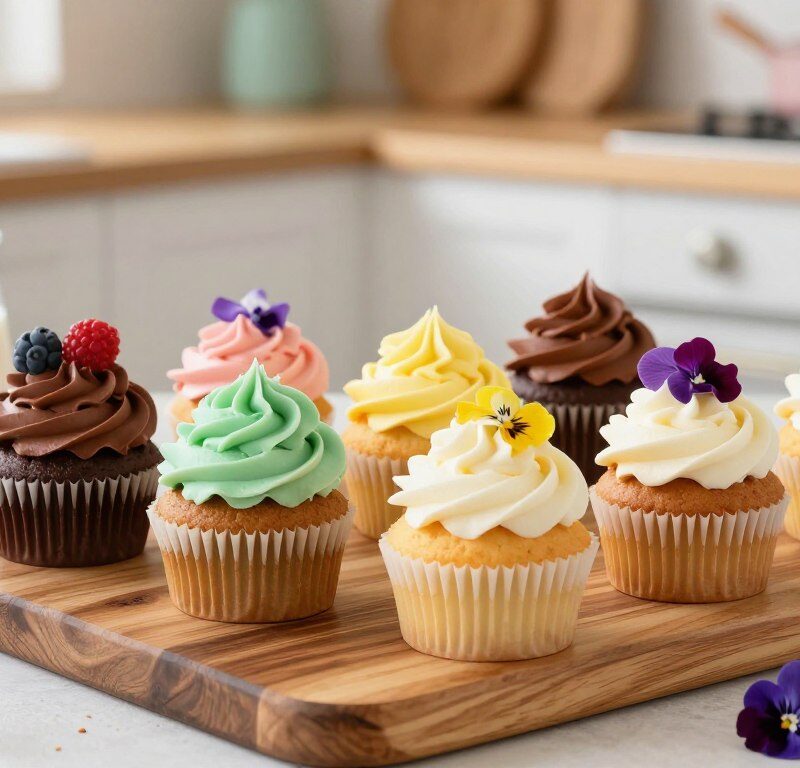
Enjoy light, fluffy treats that capture the spirit of classic baking without dairy or eggs. This approachable recipe mirrors the balance and structure of traditional bakes, focusing on gentle sweetness and a tender crumb.
The method is simple and reliable. It takes under an hour and suits afternoon tea or a small celebration. Even kitchen beginners will find the steps clear and forgiving.
By using everyday plant-based swaps, you can make moist, well-structured cakes that feel familiar in taste and texture. The result is a batch of vegan cupcakes that look and taste professional, ready to share with friends and family.
Key Takeaways
- Simple plant-based swaps give a tender, familiar crumb.
- Light, moist cakes ready in under an hour.
- Beginner-friendly method with reliable results.
- Perfect for afternoon tea or small celebrations.
- Proves you can bake delicious treats without eggs or dairy.
Why You Will Love Mary Berry Vegan Cupcakes
These little cakes prove you can get a tender, light crumb without eggs or dairy.
The sponge rises evenly and stays soft, so the finished cakes look neat and taste fresh. This recipe relies on simple plant‑based staples you likely have in your pantry.
- Soft, even sponge: ideal for birthdays, afternoon tea or everyday treats.
- Stable structure: holds icing and decorations without collapsing.
- Quick bake: perfect for last‑minute sweet fixes.
- Inclusive: suitable for dairy‑free and egg‑free diets so everyone can enjoy a slice.
You will love how reliable this mary berry take is: it produces light, flavourful cakes that are easy to decorate and share. Try these berry vegan cupcakes when you need a fuss‑free homemade treat.
Essential Ingredients for Your Plant-Based Bake
Gathering the right pantry staples makes all the difference when baking a light, plant-based sponge.
Cupcake components
Measure 225g self-raising flour for structure and a fine crumb. Mix 150g caster sugar with 1 tsp baking powder and ½ tsp bicarbonate of soda to help the sponge rise.
The wet mix is simple: 200ml unsweetened almond milk, 80ml sunflower oil, 1 tbsp apple cider vinegar and 1 tsp vanilla extract. These ingredients react to give lift and keep the crumb moist.
Buttercream essentials
Beat 150g softened dairy-free butter with 300g sifted icing sugar until light. Add 2–3 tbsp plant-based milk and 1 tsp vanilla extract to reach a soft, pipeable icing consistency.
“Use high-quality vanilla extract and unsweetened plant-based milk for the best flavour.”
- Tip: Sift icing sugar to avoid grainy buttercream.
- Tip: Apple cider vinegar plus plant milk creates a reliable vegan buttermilk substitute.
| Component | Amount | Purpose |
|---|---|---|
| Self-raising flour | 225g | Structure for a light sponge |
| Caster sugar + baking powder + soda | 150g + 1 tsp + ½ tsp | Sweetness and lift |
| Almond milk + cider vinegar | 200ml + 1 tbsp | Moisture and acidity for rise |
| Sunflower oil | 80ml | Fat for tenderness |
| Dairy-free butter + icing sugar | 150g + 300g | Buttercream for icing and decoration |
Necessary Kitchen Equipment
Good equipment helps you get consistent results every time you bake. A reliable set of tools makes the whole process easier and keeps the focus on flavour and texture.
Must-haves for this recipe:
- 12-hole muffin tin: keeps each cake the same shape and helps them bake uniformly in the oven.
- Paper cupcake cases: prevent sticking and make serving tidy for guests at any event.
- Large mixing bowl: gives room to combine ingredients smoothly so the batter stays even.
- Whisk or wooden spoon: use gentle strokes to mix without overworking the delicate batter.
- Wire cooling rack: allows air to circulate under the cakes so they cool evenly and avoid soggy bases.
“Use a well-sized bowl and a light hand when mixing; it keeps the crumb tender.”
These basic items will set you up to enjoy easy, reliable baking and make sure your vegan cupcakes turn out neat and delicious.
Preparing the Oven and Tin
Prep counts: set the oven to 180°C (160°C fan) so heat is even and the sponge can rise consistently.
Place the oven rack in the centre. This gives good airflow around the tin and helps the cakes bake evenly.
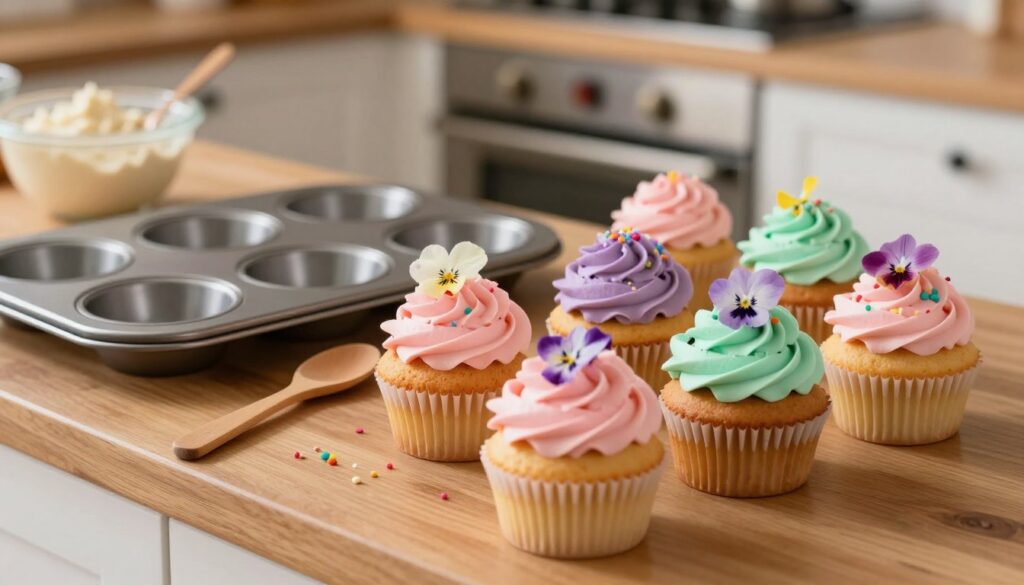
Line a 12-hole muffin tin with paper cupcake cases before you mix. Having cases in the tin keeps each cupcake neat and saves time when filling.
Proper preparation is a hallmark of the mary berry vegan approach and makes your baking look professional.
“Getting the oven temperature and tin ready first keeps the process calm and efficient.”
| Step | Temperature | Why it matters |
|---|---|---|
| Preheat oven | 180°C / 160°C fan | Ensures consistent rise and even cooking |
| Rack position | Centre | Optimises airflow around the tin |
| Line tin | 12-hole with paper cases | Maintains shape and makes filling tidy |
| Prep first | Before mixing | Saves time and keeps workspace organised |
Mixing the Dry Ingredients
Begin with the dry ingredients so your raising agents and sugar are evenly spread through the batter.
In a large mixing bowl, sift together 225g of self-raising flour, 1 tsp of baking powder and ½ tsp of bicarbonate of soda. Sifting the flour and raising agents removes lumps and helps the sponge stay light.
Stir in 150g caster sugar until the dry mix looks uniform. Mixing thoroughly distributes the powder and sugar so each cake gets the same lift in the oven.
Keep the bowl steady while you fold and stir. This prevents dusting the worktop and ensures all the dry components are fully incorporated before you add the liquids.
For a different flavour idea, see the red velvet recipe which follows a similar dry-mix approach.
Combining Wet Ingredients for the Perfect Batter
A short rest after mixing lets the milk and vinegar react and gives a light, tangy base for the batter.
Whisk together the wet ingredients in a separate jug: 200ml almond milk, 80ml sunflower oil, 1 tbsp apple cider vinegar and 1 tsp vanilla extract. Use a whisk so the oil and vanilla extract emulsify evenly.
Let the mixture sit for about a minute. The apple cider reacts with the plant milk and slightly thickens, creating a buttermilk-like texture that helps the cakes rise.
The Role of Vinegar
The vinegar activates the bicarbonate in the dry ingredients and gives the sponge lift. Pour the wet mix into the dry mix and fold gently until smooth.
Be careful not to overmix. Fold just until combined to keep the batter light and tender. This small step makes a real difference to texture and rise.
Filling and Baking Your Cupcakes
Fill each paper case to roughly two-thirds full so the batter can rise without spilling over the tin. Use a spoon or small scoop to portion evenly; this gives uniform cupcake tops and consistent cooking.
Achieving the Perfect Rise
Even filling is the key to neat domes. Place the tray in the oven and avoid opening the door in the first 15 minutes to prevent the centres from sinking.
Bake for 18 to 22 minutes at the temperature specified earlier. Look for a light golden colour and a springy top as signs the sponge is set.
Testing for Doneness
The most reliable check is the skewer test. Insert a skewer into the centre of a cupcake; it should come out clean or with a few dry crumbs.
Leave the tray to rest for 5 minutes after removing from the oven. This short pause helps the cakes firm up so they can be transferred to a cooling rack without damage.
“A quick skewer test and a brief rest in the tin give predictable, well-risen cupcakes every time.”
- Tip: Use an ice-cream scoop for identical portions.
- Tip: If tops brown too quickly, reduce temperature by 10°C and extend bake time by a few minutes.
Cooling and Preparing the Buttercream
Give your cakes time to settle; cool completely on a wire rack for at least 30 minutes before you try to ice them.
While they cool, make the buttercream. Beat 150g dairy-free butter until smooth.
Gradually add 300g sifted icing sugar, beating well so the mix stays light and lump-free.
Add 1 tsp vanilla extract and a little plant-based milk to reach a soft, pipeable consistency.
If the buttercream gets too soft, chill it in the fridge for 15–20 minutes, then beat again until smooth.
Ensure your sponges are at room temperature before applying the icing. Warm cakes will make the buttercream melt and slide.
“A steady hand and cool sponges give the neatest finish when piping and decorating.”
| Task | Action | Timing |
|---|---|---|
| Cooling | Place on wire rack until room temperature | At least 30 minutes |
| Buttercream base | Beat dairy-free butter, then add sifted icing sugar | Until smooth |
| Adjusting texture | Add plant-based milk; chill if too soft | 15–20 minutes chill if needed |
Decorating Your Treats
Once the sponges are cool completely, decorating becomes a calm, enjoyable step.
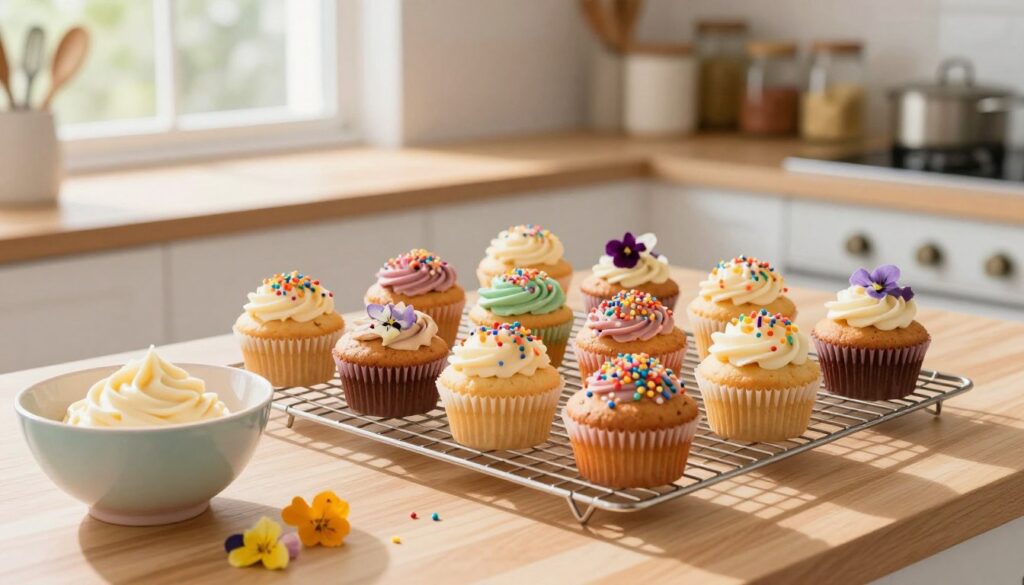
Fit a piping bag with your preferred nozzle and pipe the buttercream in neat swirls on each cupcake. The smooth, dairy-free buttercream holds shape well and gives a professional finish.
If you prefer a rustic look, use a palette knife to spread the icing gently. A few sweeping motions create a charming, homemade style that suits afternoon tea.
Add a final touch with sprinkles, fresh berries or a fine zest of lemon to lift flavour and colour. For a classic finish, dust a little icing sugar over the top right before serving.
“Decorate only when the cakes are fully cold to ensure the icing stays perfectly in place.”
| Finish | Tool | Effect |
|---|---|---|
| Swirl | Piping bag | Clean, party-ready look |
| Rustic | Palette knife | Homemade charm |
| Garnish | Fresh berries / lemon zest | Colour and brightness |
| Dusting | Icing sugar | Light, elegant finish |
Troubleshooting Common Baking Issues
Small faults crop up in every bake, but most have quick fixes you can try at home.
Read through the short checks below before you start a new batch. A few simple habits prevent the most frequent problems.
Preventing Dense Sponges
Check your raising agents. Ensure baking powder and soda are fresh. Old powder gives poor rise and a heavy crumb.
Avoid overworking the batter. Fold just until the dry and wet ingredients combine to keep the sponge light.
Measure oil and plant-based milk accurately. Too much liquid weighs the batter down and flattens tops.
Fixing Soft Buttercream
If the icing is too soft, chill it for 15–20 minutes, then beat again until it firms up.
Use sifted icing sugar and a touch of cold plant milk when adjusting texture. This keeps the buttercream pipeable without becoming greasy.
Avoiding Sinking
Centres often sink if the oven door is opened in the first 15 minutes or the batter was overmixed.
Use an oven thermometer to confirm temperature and test cakes with a skewer. If sinking recurs, reduce oven temperature by 10°C and bake a few extra minutes.
- Quick tip: Always cool cakes on a rack so steam escapes and bases stay firm.
- Extra help: For a related bake, see the similar coconut cake guide to compare techniques and ratios.
| Issue | Likely cause | Fix |
|---|---|---|
| Dense texture | Old powder / overmixing | Use fresh baking powder, fold gently |
| Soft buttercream | Warm butter / too much milk | Chill 15–20 minutes, rebeat |
| Sinking centres | Door opened / overmixed | Avoid early door opening; do skewer test |
“A few small checks before and during baking stop most problems and save a batch from being wasted.”
Creative Flavour Variations
A single change to the dry mix unlocks rich cocoa or warming spice without extra fuss.
For a deep chocolate version, replace 25g of the flour with 25g of cocoa powder and add an extra tablespoon of plant milk. This keeps the batter moist and gives a satisfying cocoa flavour.
Add the zest of one lemon to the batter for a bright, citrus note that pairs well with a light vanilla buttercream. Alternatively, spoon a teaspoon of raspberry or strawberry jam into the centre of each cake before baking for a fruity surprise.
For cosy, autumnal flavours, stir in a pinch of cinnamon or mixed spice with the dry ingredients. Finish another batch by sprinkling desiccated coconut over the iced treats for a tropical crunch.
Tip: Swap caster sugar for a slightly coarser sweetener only if you adjust the texture of the buttercream. These small twists keep the mary berry vegan approach simple while freshening the classic recipe.
“Experiment in small batches to find the mix that suits your taste and the season.”
Storage and Freezing Advice
A few simple storage steps protect the sponge and icing so each cake stays delicious.
Store undecorated cupcakes in an airtight container at room temperature for up to 2 days to keep them soft and moist. Keep the tin or box out of direct sunlight; light and heat will dry the sponge and soften buttercream.
If you have iced your bakes, place them in the refrigerator in a cool, dry area. Iced cakes will keep well for up to 5 days when chilled.
How to Thaw Properly
Freeze undecorated sponges wrapped tightly in plastic wrap for up to 3 months to avoid freezer burn.
To thaw, remove the wrap and leave the cakes at room temperature for a few hours before decorating. If you used plant-based milk in the batter or buttercream, let the cakes reach room temperature so the texture and flavour fully return.
“Wrap well and thaw gently to preserve texture and taste.”
| Item | Storage | Duration |
|---|---|---|
| Undecorated sponges | Airtight container, room temperature | 2 days |
| Iced cupcakes | Refrigerator, cool dry place | 5 days |
| Frozen sponges | Wrapped tightly in plastic | Up to 3 months |
These simple tips help your mary berry vegan recipe or any homemade vegan cupcakes taste their best when served.
Conclusion
This recipe turns everyday pantry staples into a tender, crowd-pleasing treat. It shows that a few careful swaps make light, professional results.
These mary berry cupcakes prove you can bake without dairy or eggs and still get a soft, even crumb. Measure flour, milk and sugar accurately and fold gently to avoid a dense texture.
Follow the steps and you will master simple plant-based baking. Whether for a party or a quiet afternoon tea, these vegan cupcakes perform reliably.
Enjoy experimenting with flavours — from jam-filled centres to citrus or cocoa — and make this recipe your own. Try the berry vegan cupcakes idea to add a bright finish.
FAQ
What makes these Mary Berry vegan cupcakes different from regular cupcakes?
Which essential ingredients should I have before I start baking?
How do I mix dry and wet ingredients correctly?
What is the role of cider vinegar in the batter?
How full should I fill the cupcake cases?
What temperature and time work best in the oven?
How can I achieve the perfect rise and avoid sinking?
When are the cupcakes fully baked?
How should I cool cupcakes and prepare buttercream?
How do I fix soft buttercream that won’t hold shape?
What decorating tools and techniques work best?
Any creative flavour variations you recommend?
How should I store and freeze the cupcakes?
What is the best way to thaw frozen cupcakes?
Mary Berry Vegan Cupcakes
Enjoy light, fluffy treats that capture the spirit of classic baking without dairy or eggs. This approachable recipe mirrors the balance and structure of traditional bakes, focusing on gentle sweetness and a tender crumb.
Ingredients
- 225g self-raising flour
- 150g caster sugar
- 1 tsp baking powder
- ½ tsp bicarbonate of soda
- 200ml unsweetened almond milk
- 80ml sunflower oil
- 1 tbsp apple cider vinegar
- 1 tsp vanilla extract
- 150g softened dairy-free butter
- 300g sifted icing sugar
- 2–3 tbsp plant-based milk
Method
- Preheat the oven to 180°C (160°C fan) and line a 12-hole muffin tin with paper cupcake cases.
- In a large mixing bowl, sift together the self-raising flour, baking powder, and bicarbonate of soda.
- Stir in the caster sugar until the dry mix looks uniform.
- In a separate jug, whisk together the almond milk, sunflower oil, apple cider vinegar, and vanilla extract.
- Let the wet mixture sit for about a minute, then pour it into the dry mix and fold gently until smooth.
- Fill each paper case to roughly two-thirds full with the batter.
- Bake in the preheated oven for 18 to 22 minutes, or until golden and springy.
- Remove from the oven and let the tray rest for 5 minutes before transferring the cupcakes to a wire cooling rack.
- To make the buttercream, beat the dairy-free butter until smooth, then gradually add the sifted icing sugar.
- Add the vanilla extract and enough plant-based milk to reach a soft, pipeable consistency.
- Once the cupcakes are completely cool, pipe or spread the buttercream on top and decorate as desired.