Dame Mary is a celebrated food writer with more than 70 cookbooks to her name. Her approach makes traditional British dishes both elegant and easy to prepare.
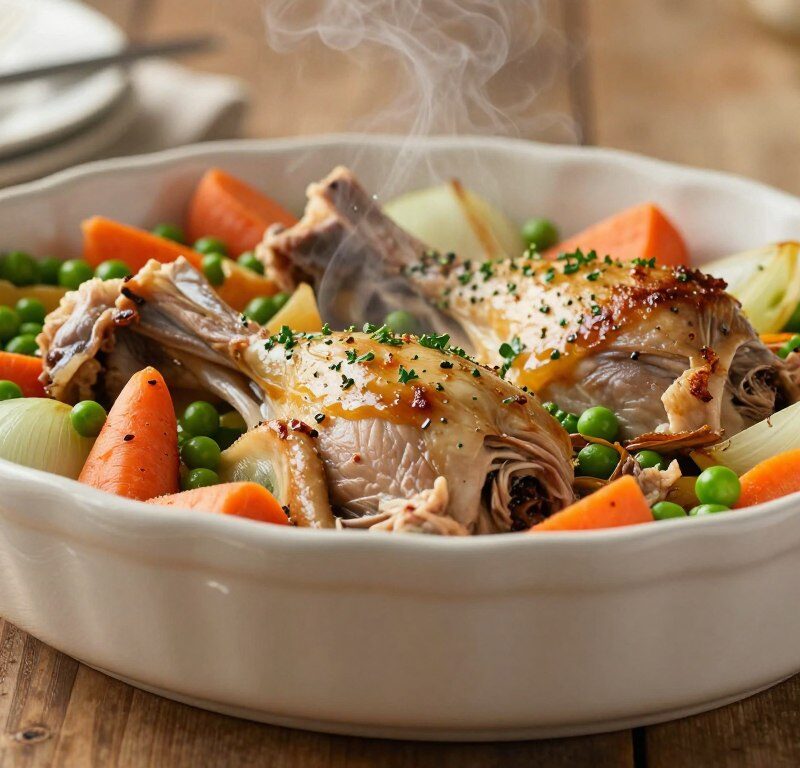
This game casserole is a classic that suits a lively gathering or a cosy family supper. It can use pheasant, partridge, guinea fowl or venison to deliver deep, comforting flavour.
Supermarkets now sell diced game meat, which simplifies the process for home cooks. The recipe blends sophistication with practicality, so it is ideal for those trying traditional recipes for the first time.
Serve this dish when you want something hearty that still feels special. With quality ingredients and straightforward steps, the result is a memorable, flavourful meal for guests.
Key Takeaways
- The dish draws on decades of expertise from a renowned cookbook author.
- Use pheasant or venison for the most pronounced flavour.
- Diced game meat from supermarkets makes preparation easier.
- Perfect for feeding a crowd at special occasions or family suppers.
- The recipe balances sophistication with accessibility for home cooks.
Why You Will Love This Mary Berry Game Casserole
This rich, slow-braised dish turns humble game into a showstopping dinner for friends and family.
Tender meat and fragrant herbs meld during long, gentle cooking to produce deep, comforting flavours that suit cold winter evenings.
The recipe is designed for home cooks so you can achieve professional results with minimal stress. It’s forgiving, flexible and ideal for feeding a crowd at special family celebrations.
- Reliable technique: slow cooking unlocks complex tastes.
- Versatile: adapt meats and seasonings to your taste.
- Comforting and nostalgic yet modern in balance.
- Perfect for dinner parties — simple to scale up.
Follow mary berry game guidance and you’ll master the art of slow-cooking, turning a classic recipe into a regular favourite in your kitchen.
Essential Ingredients for Your Game Dish
Start with quality game that will reward slow braising with deep flavour and a pleasing bite.
Selecting the best cuts:
Selecting the Best Game Meat
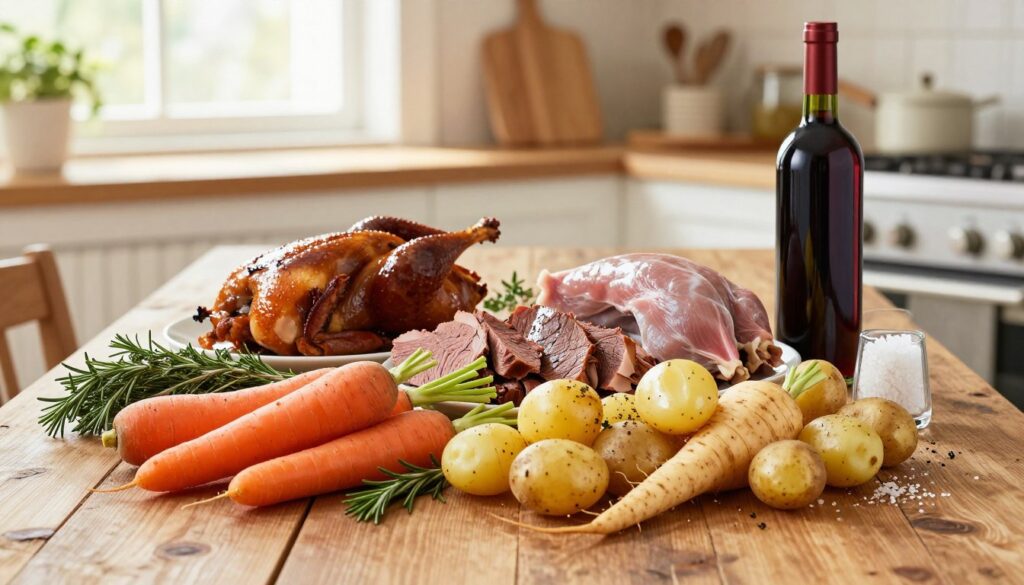
You will need 1.4kg of game meat, cut into roughly 4cm cubes for even cooking. Choose pheasant or venison for the most pronounced taste. Brown the pieces in 2 tbsp of olive oil to seal juices before stewing.
Pantry Staples for Rich Flavour
Gather 300ml red wine and 1.2 litres of chicken or game stock to build a rich base. Use 60g plain flour and 2 tbsp Worcestershire sauce to thicken and deepen the sauce. Finely chop 3 large onions to add sweetness and body.
Season well with salt and freshly ground black pepper. For a traditional game pie finish, have 200g self-raising flour and 100g shredded suet ready for suet pastry. Ten pickled walnuts, quartered, add a classic, tangy note.
| Ingredient | Quantity | Purpose |
|---|---|---|
| Game meat (pheasant/venison) | 1.4kg, 4cm cubes | Main protein, texture |
| Red wine | 300ml | Depth of flavour |
| Stock (chicken/game) | 1.2 litres | Cooking liquid, body |
| Plain flour & Worcestershire | 60g; 2 tbsp | Thicken and flavour sauce |
| Onions, oil, seasoning | 3 large; 2 tbsp oil; salt & black pepper | Base flavour and browning |
Preparing the Meat and Vegetables
Begin by preheating the oven to 160°C (140°C fan). This step helps the meat cook evenly and become perfectly tender.
Heat the oil in a large, deep casserole dish or sauté pan over high heat. Brown the game meat in batches so the pieces colour well. Remove each batch with a slotted spoon set and set aside.
Add the chopped onions to the pan and fry for a few minutes. Sprinkle over the flour and cook for about 30 seconds to remove the raw taste.
Gradually pour in the red wine and chicken stock, stirring until the sauce is smooth and reaches a boil. Season with salt and freshly ground black pepper, then stir in Worcestershire and gravy browning.
Return the browned game meat to the dish, combine well and cover. Transfer to the oven for about 2 hours or until the meat is tender and the vegetables have softened into a rich sauce.
“Browning well and slow oven time make all the difference to flavour.”
Cooking Methods for the Perfect Casserole
Start by focusing on heat control and timing to build a deep, glossy sauce. These elements make the difference between an ordinary stew and a memorable, rich dish.
Searing for Depth
Heat oil large in a heavy pan or a wide casserole dish over high heat. Brown the meat in batches so each cube colours well.
Use a slotted spoon to remove the pieces and set aside while you cook the onions and sprinkle in the flour. This step locks in juices and creates a savoury base for the sauce.
Slow Cooking in the Oven
Return the browned meat to the dish, add stock and a splash of wine, then bring to a simmer. Fit the lid snugly and transfer to the oven.
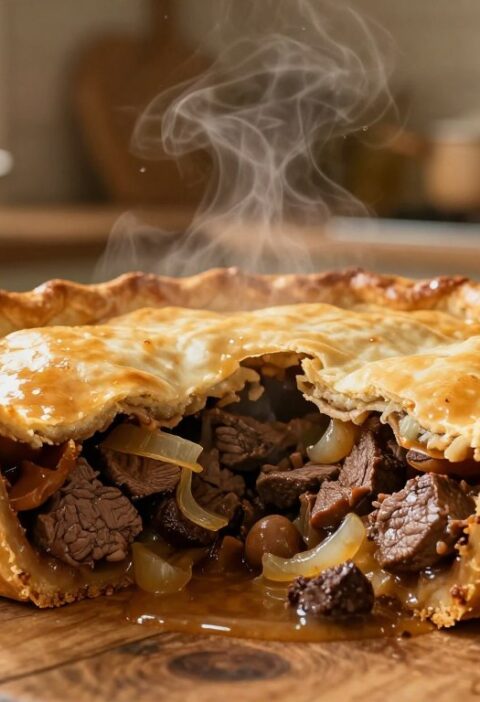
Cook gently for about two hours until the meat is tender. Check before adding pastry: if the meat is meat tender, raise the temperature to 200°C to bake the lid for 25–30 minutes.
Make a small steam hole in the pastry so the filling can breathe and the crust turns crisp and golden.
Using an Aga
If you use an Aga, bring the pot to the boil on the boiling plate first. Then move the covered dish into the simmering oven to finish for the required hours.
The approach yields the same deep flavour as a conventional oven and is ideal for pheasant or venison when slow-cooking game meat.
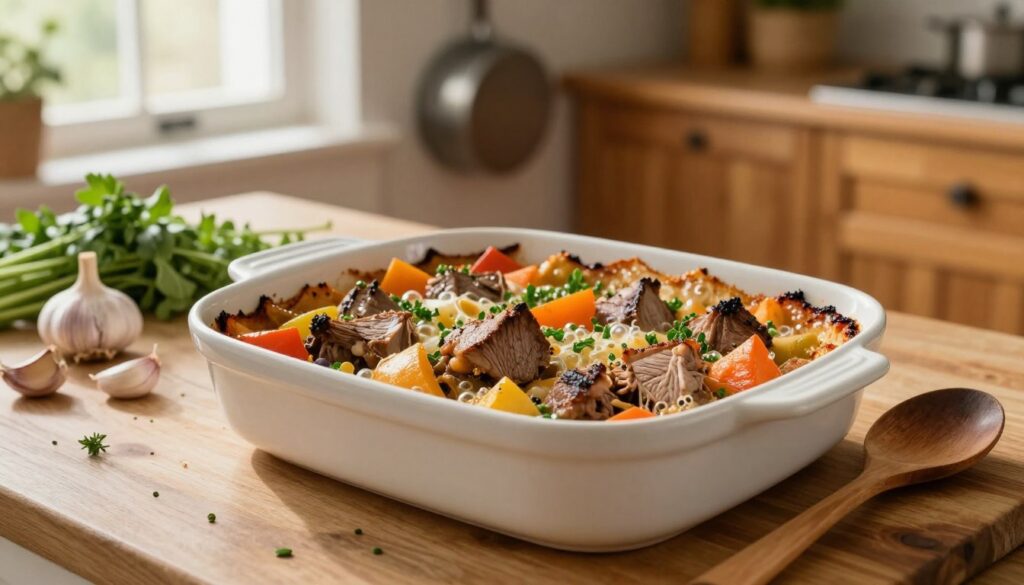
“A good sear and a slow, steady oven make all the difference to texture and flavour.”
Expert Tips for Success
Plan ahead to cut stress on the day. You can prepare the casserole up to two days before cooking. An assembled game pie may be made up to 12 hours ahead and kept chilled until you bake.
Freezing and Preparing Ahead
Freeze uncooked pies with the pastry lid for up to one month. Defrost fully before you bake in a preheated oven to ensure even cooking.
When reheating the cooked dish, warm gently over low heat for several minutes. Add a splash of stock if the sauce has become too thick.
- Check the tenderness of the meat after the first hour when different game types are mixed.
- Keep the heat low in the final stages to avoid drying lean game meat.
- Let the casserole rest for 10–15 minutes so flavours settle before serving.
- Swap blackcurrant jelly for redcurrant or cranberry jelly if needed to balance strong flavours.
| Action | When | Tip |
|---|---|---|
| Prepare ahead | Up to 48 hours | Store covered in fridge, ready to finish in the oven |
| Assembled pie | Up to 12 hours | Bake from chilled in a preheated oven for best rise |
| Freeze uncooked | Up to 1 month | Defrost completely before baking |
| Storage after cooking | Up to 4 days | Keep in an airtight container in the fridge |
“A gentle finish and a short rest make the sauce richer and the meat more tender.”
Conclusion
This recipe turns seasonal wild meat into a comforting, refined dish you can be proud to serve. Follow the steps and simple techniques to get reliable results each time.
Take time to brown well and allow slow cooking so the sauce develops depth. A short rest after baking helps flavours settle and keeps the meat moist.
When ready, finish the pie in the oven for the final minutes to crisp the pastry and warm through the filling. This game casserole suits both large gatherings and quiet family suppers.
Enjoy experimenting with different meats and make this mary berry game recipe a regular in your collection of classic British recipes.
FAQ
What types of game meat work best for this recipe?
Do I need to flour the meat before browning?
How do I get a deep, savoury gravy?
What oven temperature and time should I use?
Can I cook this on the hob or in an Aga instead of a conventional oven?
Is it possible to prepare this recipe ahead of time or freeze it?
How can I adjust the seasoning and acidity?
What accompaniments pair well with the dish?
Can I use stock cubes instead of homemade stock?
Should I add wine to the sauce and what type is best?
Mary Berry Game Casserole
A rich, slow-braised game casserole that turns humble game into a showstopping dinner for friends and family, perfect for special occasions or family suppers.
Ingredients
- 1.4kg game meat (pheasant or venison), cut into 4cm cubes
- 2 tbsp olive oil
- 3 large onions, finely chopped
- 300ml red wine
- 1.2 litres chicken or game stock
- 60g plain flour
- 2 tbsp Worcestershire sauce
- Salt and freshly ground black pepper
- 200g self-raising flour (optional for pastry)
- 100g shredded suet (optional for pastry)
- 10 pickled walnuts, quartered (optional)
Method
- Preheat the oven to 160°C (140°C fan).
- Heat the olive oil in a large, deep casserole dish or sauté pan over high heat.
- Brown the game meat in batches until well coloured, then remove with a slotted spoon and set aside.
- Add the chopped onions to the pan and fry for a few minutes until softened.
- Sprinkle the flour over the onions and cook for about 30 seconds to remove the raw taste.
- Gradually pour in the red wine and chicken stock, stirring until the sauce is smooth and reaches a boil.
- Season with salt and freshly ground black pepper, then stir in the Worcestershire sauce.
- Return the browned game meat to the dish, combine well, and cover.
- Transfer to the oven and cook for about 2 hours or until the meat is tender and the vegetables have softened into a rich sauce.
- If using pastry, raise the oven temperature to 200°C and bake the lid for 25-30 minutes until golden.