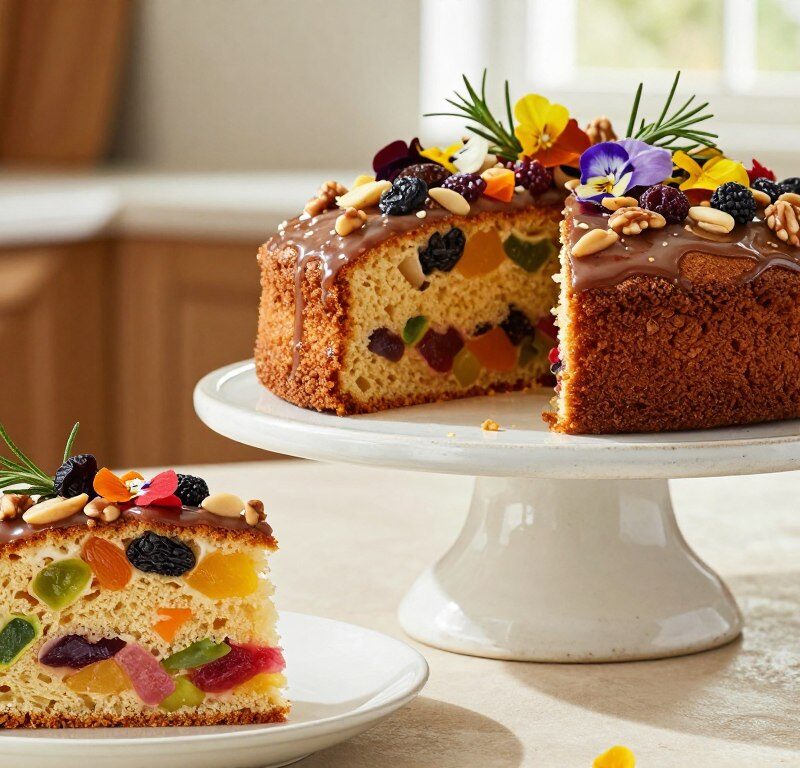
This classic British bake brings warmth and comfort to every festive table. It pairs dried fruits and warming spices to create a deep, luxurious taste that feels timeless.
Follow a reliable recipe and simple techniques to achieve the moist texture that defines a high-quality, homemade cake. The method is suitable for both novices and experienced bakers.
We outline essential steps to help you balance ingredients, mature the loaf over time and present a lovely centrepiece for Christmas or special occasions. Expect consistent, professional results when the directions are followed with care.
Key Takeaways
- The recipe offers a traditional British approach to a memorable fruit cake.
- Simple techniques ensure a moist, mature loaf every time.
- Suitable for bakers of all skill levels.
- Combines dried fruit and spices for a rich flavour profile.
- Careful balancing of ingredients is key to long-lasting quality.
The Timeless Appeal of a Mary Berry Rich Fruit Cake
This rich fruit cake is everything a traditional holiday loaf should be: deeply fruity, gently spiced and wonderfully moist. The blend of dried fruits, citrus zest and warm cinnamon gives a comforting aroma that fills the kitchen.
The beauty of the mary berry approach lies in balance. A measured mix of butter, sugar and eggs creates a tender crumb that lets the fruit shine. Slow baking locks in moisture and develops flavour as the loaf matures.
Perfect for Christmas, gifting or afternoon tea, this cake stores well and often tastes better after a week or two. That makes it ideal for planning ahead.
“A well-made fruit loaf evokes family gatherings and classic British baking.”
- The style remains a staple in many UK kitchens.
- The recipe adapts easily — swap fruits without losing structure.
- Slow baking yields a moist, durable loaf that improves with age.
Whether you bake for celebration or comfort, this recipe delivers a timeless, satisfying treat.
Essential Ingredients for Your Festive Bake
Before you begin, gather everything so the method flows smoothly. Accurate weighing keeps the chemistry of baking balanced. Use a scale and measure each ingredient listed below for reliable results.
Selecting Quality Dried Fruits
Choose 900g of mixed dried fruit — raisins, currants and sultanas — as the backbone of the loaf. Add 100g glace cherries, 100g mixed peel and optional dried apricots for depth.
Tip: Plump, glossy fruit gives better texture. If you like, soak the mix briefly in 2 tbsp brandy or orange juice to boost flavour and moisture.
Choosing the Right Flour
Use 225g self-raising flour to achieve the correct rise without extra leavening. Combine this with 225g softened unsalted butter and 225g light brown sugar for a tender crumb.
Stir in 4 large eggs, the zest of 1 lemon and 1 orange, and spices — 1 tsp mixed spice, 1 tsp ground cinnamon and ½ tsp nutmeg. If the batter feels stiff, fold in 3–4 tbsp milk.
- Measure precisely and use a scale.
- Add a handful of sliced almonds for crunch if desired.
- Keep 3–4 tbsp milk or 2 tbsp brandy handy to adjust moisture.
Preparing Your Kitchen and Equipment
Gather your equipment first so the long bake can run without interruption.
Before you start, confirm you have a 20cm deep round cake tin. This size is the standard for the recipe and ensures even rise.
Preheat oven to 140°C (120°C fan) / 285°F. Set the oven early so it reaches steady heat before the batter goes in.
“A low, steady temperature prevents the exterior from hardening while the centre cooks.”
- Line the tin thoroughly with baking parchment, covering the sides to cover cake edges during the long bake.
- Have a large mixing bowl and electric mixer ready to save time and effort.
- Check oven calibration; even small variations affect final texture and baking time.
| Item | Why it matters | Quick tip |
|---|---|---|
| 20cm deep round tin | Correct volume for dense batters | Line sides and base with parchment |
| Oven at 140c | Slow, even baking protects the crumb | Use an oven thermometer to confirm |
| Mixing tools | Efficient mixing saves time | Ready the mixer and spatulas beforehand |
Proper preparation of the tin and oven gives the best chance of a moist, evenly baked cake.
Mastering the Creaming Method
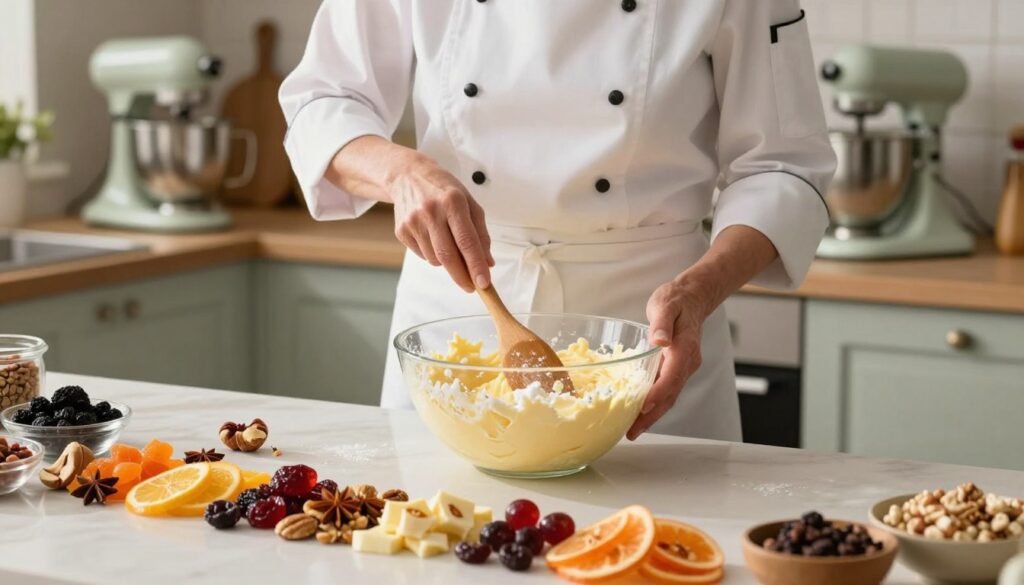
Begin with a clean bowl and room-temperature butter. Start by beating 225g of butter with 225g light brown sugar until the mix looks pale, creamy and fluffy. This traps air and gives the loaf lift while keeping the crumb tender.
Achieving the Perfect Texture
Add four large eggs one at a time, beating well after each addition. If the batter starts to curdle, stir in a spoonful of flour to bring it back together. A teaspoon of lemon zest at this stage helps emulsify and brighten the flavour.
- Technique: Creaming aerates the butter and sugar so the cake stays moist.
- Measurements: Fold in 100g glace cherries and maintain a smooth batter; use 3–4 tbsp milk if it feels too stiff.
- Result: Mastering this step controls crumb structure and ensures even distribution of fruit and ingredients.
“A steady creaming stage is the difference between a dense bake and a light, well-risen loaf.”
Incorporating Fruits and Spices
Introduce the mixed fruit, zests and spices carefully so the loaf stays light and well distributed.
Fold in 900g of mixed dried fruit — raisins, currants and sultanas — using a spatula. Work gently to avoid crushing the pieces and to keep the batter airy.
Stir in 100g of mixed peel, 100g of glace cherries and the zest of 1 lemon and 1 orange. Add 1 tsp mixed spice and 1 tsp ground cinnamon for warmth.
If the batter feels too stiff, loosen it with 3–4 tbsp milk or 2 tbsp brandy (or orange juice). This helps with texture and flavour development as the loaf matures.
- Scrape the sides of the bowl to fold every last bit of ingredients in.
- Sprinkle sliced almonds over the top of the batter before it goes into the tin for a light crunch.
- Check the balance of spice and zest; this contrast keeps each slice lively.
| Ingredient | Amount | Purpose |
|---|---|---|
| Mixed dried fruit (raisins, currants, sultanas) | 900g | Core flavour and texture |
| Mixed peel & glace cherries | 100g each | Citrus contrast and sweetness |
| Mixed spice, ground cinnamon | 1 tsp each | Warmth and depth |
| Brandy or milk | 2 tbsp / 3–4 tbsp | Moisten and preserve |
“Even distribution of fruit and spice is what makes a classic loaf sing.”
Baking Your Cake to Perfection
Patience at a gentle temperature is the secret to an evenly baked, moist loaf. Preheat oven to 140c and place the tin on the middle shelf for steady heat.
Managing Oven Temperatures
Set the oven at 140c and bake for 2 to 2½ hours. The slow baking time lets heat reach the centre without overcooking the sides or top.
If the top browns too quickly, cover cake loosely with foil to protect the surface. Turn the tin halfway through to ensure an even rise and uniform colour.
Using the Skewer Test
The surest check is a skewer inserted into the centre. When the skewer comes out clean, the loaf is done.
Remove the cake from the oven and, while warm, add a splash of brandy to lock in moisture and enhance flavour.
| Action | When | Why it matters |
|---|---|---|
| Preheat oven to 140c | Before baking | Provides steady, low heat for dense bakes |
| Turn tin | Midway through hours | Prevents sides cooking faster than centre |
| Skewer test | After 2–2½ hours | Confirms internal doneness when skewer is clean |
| Cover cake loosely | If top browns | Protects top while centre continues to bake |
“A slow, steady bake makes all the difference.”
Cooling and Resting the Cake
Let the loaf rest briefly in its tin so the crumb can firm up before you move it. After removing the bake from the oven, allow it to sit in the tin for 10 minutes. This short time helps the structure set and makes the transfer cleaner.
After ten minutes, turn the loaf out carefully and place it on a wire rack. Air circulation under the base stops trapped steam from making the bottom soggy. Let the loaf cool fully on the rack before any further handling.
When completely cool, wrap the loaf first in parchment and then in sturdy foil. This seals in moisture and protects the loaf during the maturing process. Proper wrapping also keeps the slice texture even and prevents cracking.
“A calm rest and careful wrapping bring out the best in a fruit cake.”
| Step | Action | Why it matters |
|---|---|---|
| 1 | Cool in tin 10 minutes | Allows crumb to set, eases transfer |
| 2 | Move to wire rack | Prevents soggy base from trapped steam |
| 3 | Wrap in parchment & foil | Locks moisture for maturing or storage |
Allow the loaf to rest before cutting so flavours meld and slices hold together when served.
The Art of Maturing Your Fruit Cake
Avoid rushing this stage. Allowing a loaf to mature is where patience turns a good bake into something memorable.
Store the cooled loaf in an airtight tin for 1–2 weeks to let flavours marry and moisture equalise. This simple step prevents drying and gives the fruit time to soften and release its taste.
Enhancing Flavour with Brandy
Lightly brush the top with brandy soon after cooling to add depth. Repeat every few days during the maturing period for a richer profile and longer shelf life.
“A gentle splash of brandy and a week or two of rest can transform a simple bake into a classic showstopper.”
- Use an airtight tin to trap aroma and stop stale air reaching the loaf.
- Wrap the loaf in foil after brushing to lock in moisture and protect the surface.
- Check the loaf weekly and add a small amount of brandy if you want a stronger finish.
Result: After a fortnight your bake will slice cleaner, taste deeper and feel more cohesive — perfect for serving at celebrations.
Troubleshooting Common Baking Issues
Troubleshooting is part of baking — and most faults have straightforward solutions.
If your rich fruit cake turns out dry, try baking at a lower temperature next time and add an extra tablespoon of milk to the batter. This helps keep the loaf cake moist without changing the sugar balance.
Fruit sinking? Toss the dried fruit in 1 tablespoon of flour before folding it in. That light coating helps the pieces stay suspended rather than falling to the tin base.
If the top over-browns, cover the bake loosely with foil about halfway through. This protects the surface while the centre finishes in the oven.
“A quick skewer test settles most doubts: if the skewer inserted in the middle comes out sticky, return the cake to the oven.”
| Problem | Likely cause | Fix |
|---|---|---|
| Dry loaf | Too hot or too long | Lower oven temp; add milk; check butter ratio |
| Fruit sinks | Heavy fruit, no flour coat | Toss fruit in flour; fold gently |
| Top cracks / sides burn | High oven or overmixing | Calibrate oven; avoid overmixing; line tin well |
| Sticky centre | Undercooked | Return to oven; test with skewer |
By addressing these points — from flour on fruit to covering with foil — you can rescue and improve each bake.
Creative Variations and Customisations
Small changes to ingredients can transform the loaf into a brighter, nuttier or lower-fat version. These swaps keep the reliable technique while tailoring texture, flavour and calories.
Adding Nuts for Crunch
Chopped almonds or pecans give a pleasant contrast to soft pieces of dried apricot or cherries. Toast them briefly to lift the aroma before folding in.
- Toss nuts in a little flour to stop sinking.
- Add no more than 100g so the batter keeps structure.
- Fold gently to avoid breaking fruit or overworking the batter.
Incorporating Citrus Zest
Swap lemon for orange zest and 1–2 tbsp juice to brighten the profile. Orange works especially well with apricots and cherries.
Healthier options: Reduce sugar by up to 25% or replace half the butter with applesauce and fold in some grated apple for moisture.
“A tsp of extra spice or a small splash of brandy personalises the loaf without losing the classic feel.”
Storage Tips for Long-Term Freshness
Give your bake the right environment and it will reward you over weeks and months.
Room temperature: Once the loaf is completely cool, wrap it in parchment and place it in an airtight tin. Stored this way, the cake will keep well for up to two weeks.
If your recipe uses sugar, ensure full cooling before you seal the tin. Warmth causes condensation and can make the surface sticky or damp.
Long-term: For extended keeping, freeze individual slices. Wrap each slice tightly in foil and pop them into a sealed bag. Frozen slices stay good for up to three months and thaw quickly at room temperature.
- Keep the loaf airtight to prevent drying and preserve moisture.
- Label packages with the freezing time and date to track freshness.
- Check stored loaves occasionally; a quick sniff and visual check will spot any issues early.
“Proper storage is essential for preserving the moist texture and deep flavour that develops as the loaf matures.”
Serving Suggestions for Every Occasion
Simple accompaniments lift this loaf into a memorable dessert for any gathering.
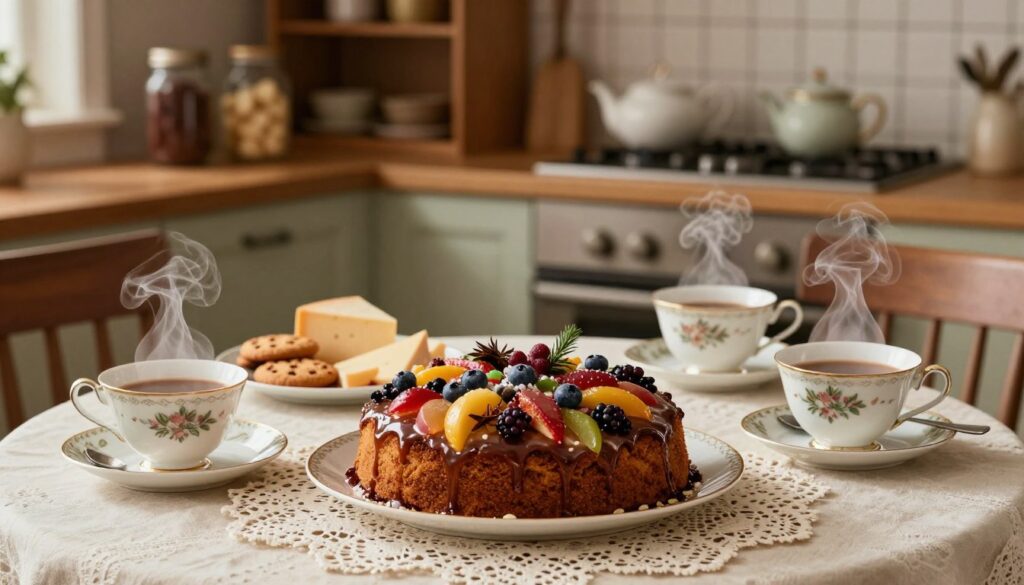
Pairing with Hot Beverages
Warm drinks bring out the butter and zest in each slice. A hot cup of tea is a classic match and highlights the sugar and spice.
Serve at room temperature after the loaf has been allowed to cool in its cool tin so the flavours open up. A quick skewer check before slicing confirms the loaf is moist and ready to serve.
- Whipped cream or warm custard gives a light, comforting contrast.
- For a savoury twist, a thin slice with strong cheddar balances sweetness from the sugar.
- If you brushed the loaf with brandy, try a glass of sherry or a spiced hot drink alongside.
| Accompaniment | Why it works | Serving tip |
|---|---|---|
| Whipped cream | Light texture offsets dense loaf | Serve chilled, small dollop per slice |
| Strong cheddar | Savoury balance to sweet sugar and fruit | Thin slice on the side, room temperature |
| Hot tea or sherry | Enhances butter, zest and brandy notes | Serve warm; pair by strength of flavour |
Conclusion
The real satisfaction comes from watching flavours deepen over hours and weeks of quiet maturing. This mary berry recipe shows how slow baking, careful ingredient choice and gentle resting make a standout loaf.
Mastering this rich fruit cake gives you a timeless, moist and flavourful result that improves with age. A light brush of brandy and proper wrapping extend shelf life and intensify taste.
, Enjoy baking with patience and pride. Whether for Christmas or afternoon tea, this guide aims to leave you confident to create a classic fruit cake that delights friends and family.
FAQ
What temperature should I preheat the oven to for this classic festive bake?
How do I know when the sponge is fully baked?
Should I line and cover the tin before baking?
How long should the cake cool in the tin?
What dried fruits work best and how should I prepare them?
Can I add nuts and marzipan to the recipe?
How much brandy should I use to mature the cake?
How long can I keep and mature this kind of cake?
What if the sponge looks domed or cracks during baking?
How do I prevent the sides from becoming too dark?
Can I substitute plain flour for self-raising flour in the recipe?
How much butter and sugar are typically used for a moist result?
Is it better to use whole eggs or separate yolks and whites?
What spices and citrus work well in this style of loaf?
How long should soaked peel and fruit be left to macerate?
Can I bake this in a round cake tin instead of a loaf tin?
How do I store the finished loaf to maintain freshness long-term?
What serving suggestions pair well with a mature loaf?
Mary Berry Rich Fruit Cake
This classic British bake brings warmth and comfort to every festive table. It pairs dried fruits and warming spices to create a deep, luxurious taste that feels timeless.
Ingredients
- 900g mixed dried fruit (raisins, currants, sultanas)
- 100g glace cherries
- 100g mixed peel
- 225g self-raising flour
- 225g unsalted butter, softened
- 225g light brown sugar
- 4 large eggs
- zest of 1 lemon
- zest of 1 orange
- 1 tsp mixed spice
- 1 tsp ground cinnamon
- ½ tsp nutmeg
- 3–4 tbsp milk or 2 tbsp brandy (optional)
- handful of sliced almonds (optional)
Method
- Preheat the oven to 140°C (120°C fan) / 285°F.
- Line a 20cm deep round cake tin with baking parchment.
- In a large mixing bowl, beat the softened butter and light brown sugar until pale and fluffy.
- Add the eggs one at a time, beating well after each addition. If the mixture curdles, add a spoonful of flour.
- Fold in the self-raising flour, lemon zest, orange zest, mixed spice, ground cinnamon, and nutmeg.
- If the batter is too stiff, add 3–4 tbsp of milk or 2 tbsp of brandy.
- Gently fold in the mixed dried fruit, glace cherries, and mixed peel until evenly distributed.
- Pour the batter into the prepared cake tin and sprinkle sliced almonds on top if using.
- Bake in the preheated oven for 2 to 2.5 hours, or until a skewer inserted into the center comes out clean.
- Once baked, remove the cake from the oven and let it cool in the tin for 10 minutes before transferring to a wire rack.
- Wrap the cooled cake in parchment and then in foil to seal in moisture and allow it to mature.