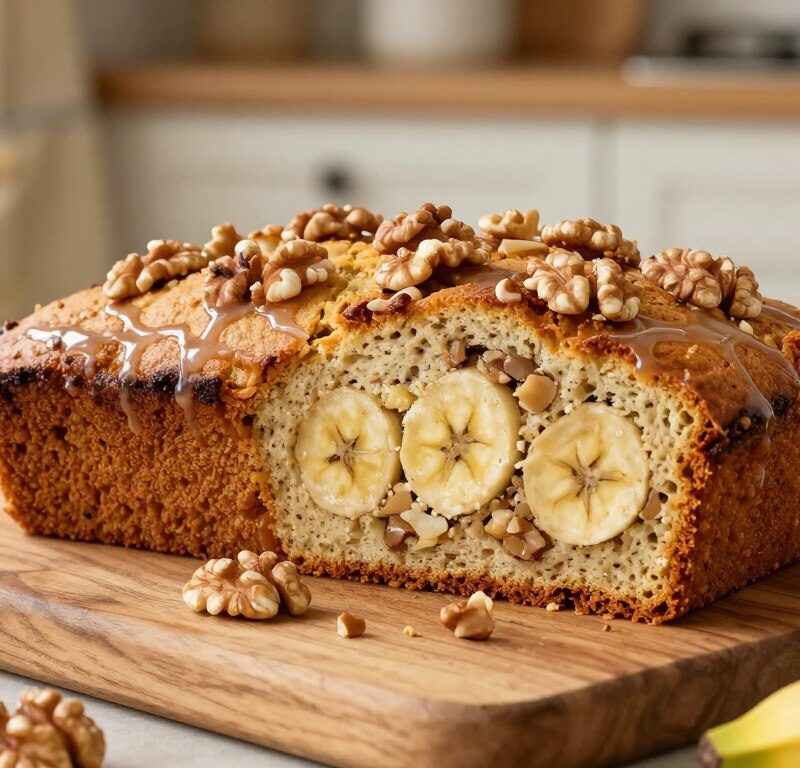
This classic British bake turns ripe fruit into a soft, moist cake that feels like home. It pairs perfectly with afternoon tea or a simple weekend treat.
The method is straightforward, and the results are reliable whether you are new to baking or have made dozens of tins. Expect a tender crumb with a gentle crunch from the nuts.
Follow clear steps and you will have slices that keep well for days, ideal for lunchboxes or a quick snack. This particular recipe has long been trusted in UK kitchens for its dependable flavour and texture.
Key Takeaways
- Simple recipe that suits beginners and experienced bakers alike.
- Produces a moist, tender cake with nutty texture.
- Great for afternoon tea, lunchboxes and casual baking.
- Keeps well for several days when stored correctly.
- Uses overripe fruit to create a comforting, familiar flavour.
Why We Love the Mary Berry Banana And Walnut Loaf
This timeless recipe proves that simple bakes can feel like a warm hug on a rainy afternoon. It’s a classic British favourite that reliably delivers a moist, tender crumb for every baker.
Many home cooks return to these recipes because they are straightforward and comforting. Folding mashed fruit into a buttery batter gives a lightly sweet texture that is never too heavy.
The balance of soft crumb and crunchy nuts is key. Slices cut neatly, making the loaf ideal for afternoon tea or packed in a lunchbox.
“Simple ingredients, dependable results — a slice that feels like home.”
- Consistent, easy-to-follow recipes for every skill level.
- Versatile loaf cake that slices and shares well.
- Keeps well for days, perfect for quick snacks during the week.
Essential Ingredients for Your Baking Success
Good results begin before you mix — with careful selection of fruit and flour. Gather quality ingredients and weigh them precisely. Small changes here affect texture and flavour more than any trick in the oven.
Selecting the Best Bananas
Use 2–3 ripe bananas (about 225g). Very ripe bananas with brown spots are sweeter and softer. Mash them smoothly to add moisture and natural sweetness to the batter.
Choosing Your Flour
225g of self-raising flour gives the loaf a light rise. If you only have plain flour, add 3 teaspoons of baking powder to achieve the same result.
“Measure well and choose ripe fruit — the simplest choices make the biggest difference.”
- 100g soft butter at room temperature
- 175g light brown sugar
- 50g roughly chopped nuts, 1 tsp vanilla, pinch of salt
- Optional ½ tsp ground cinnamon for warmth
- Large eggs at room temperature for proper emulsification
| Ingredient | Amount | Tip |
|---|---|---|
| Bananas | 2–3 (≈225g) | Use very ripe bananas with brown spots |
| Flour | 225g | Self-raising or plain + 3 tsp baking powder |
| Butter & Sugar | 100g butter, 175g sugar | Butter at room temperature for easy creaming |
The mary berry recipe rewards careful measuring. Follow the method and your loaf will have a tender crumb and balanced flavour.
Preparing Your Loaf Tin and Oven
Begin by preheating the oven to 170°C (340°F). A fully warmed oven gives a steady heat that helps the loaf rise and set without burning the edges.
Line a 900g/2lb loaf tin with good quality baking parchment. Allow the paper to overhang the sides to create a sling for easy removal later.
Take a few minutes to press the paper into the corners of the tin. Neat parchment in the tin prevents sticking and helps the cake keep a clean shape when you turn it out.
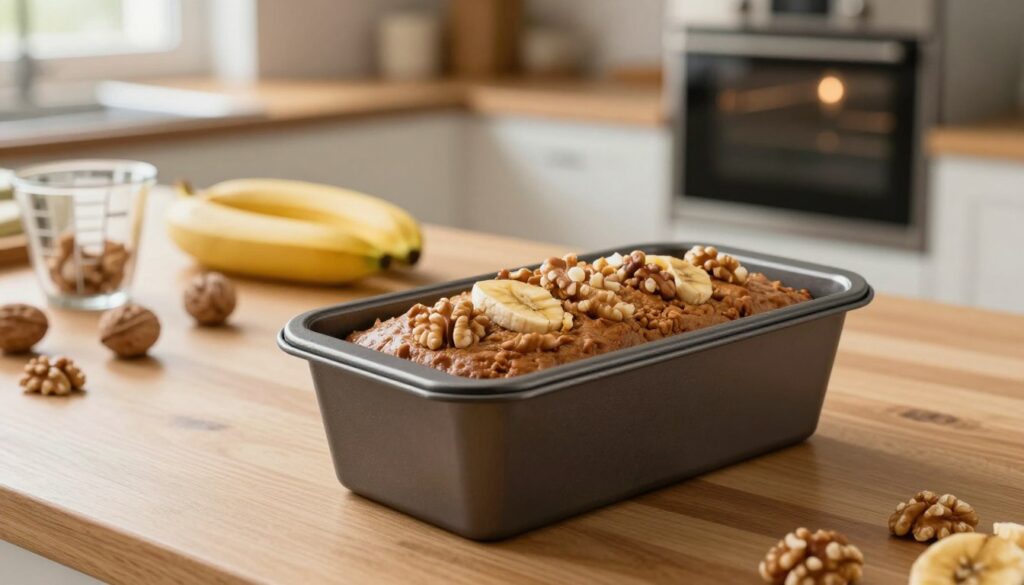
A well-prepared tin also helps distribute heat evenly. This is vital for a cake that needs about 50–60 minutes in the oven to reach golden perfection.
If the top of the loaf is browning too quickly, loosely cover it with foil after roughly 40 minutes. Always check that the oven was fully preheated before you mixed the batter, as this ensures your raising agents work correctly.
“High-quality parchment is a small step that makes a big difference when lifting the cake from the tin.”
- Preheat to 170°C before mixing.
- Use a 900g/2lb loaf tin with overhanging paper.
- Press paper into corners and tuck for a neat finish.
Mixing the Perfect Batter
A well-made batter begins with careful creaming and gentle folding to keep the texture soft.
The Importance of Creaming Butter and Sugar
Start by creaming 100g of soft butter with 175g light brown sugar in a large mixing bowl until the mixture is pale and fluffy. This step traps air and gives the cake its tender crumb.
Beat in 2 large eggs, one at a time, ensuring each is fully mixed before adding the next. Stir in 2–3 mashed bananas and 1 tsp vanilla until the wet ingredients are smooth.
Sift 225g self-raising flour with ½ tsp baking powder and a pinch of salt. Use a wooden spoon to fold the dry into the wet, taking care not to overmix. Overworking the mixture makes a dense result.
Once the batter is ready, spoon the mixture prepared into the lined loaf tin and level the top with a spatula for an even bake. Ensure your bowl is large enough to avoid spillage while folding.
“Creaming is the simple trick that helps any home baker get a reliable rise.”
| Step | Action | Tip |
|---|---|---|
| Cream | Butter & sugar until pale | Use soft butter for easy creaming |
| Combine | Beat in eggs, add mashed bananas | Add eggs one at a time for stability |
| Fold | Sift flour, fold gently | Stop when no dry streaks remain |
Adding Texture with Walnuts
A handful of chopped nuts transforms the crumb, adding welcome crunch and depth.
Fold 50g of roughly chopped walnuts into the batter at the final stage. Do this gently so you keep the air you have already beaten in.
Tip: For a deeper, nuttier flavour, lightly toast the walnuts in a dry pan for 3–4 minutes and cool before folding them through.
- Chop the nuts into uniform, bite-sized pieces for even distribution.
- Reserve a few pieces to press on top for a decorative finish.
- Check nuts for freshness; stale ones will spoil the flavour.
Keep mixing to a minimum once the nuts are added. Overworking the batter can deflate it and lead to a denser cake.
“The nuts add a satisfying contrast to the soft, sweet crumb and make every slice more interesting.”
Baking to Golden Perfection
Timing is everything: watch the oven during the last 15 minutes to catch the perfect finish. Bake the loaf for 50–60 minutes in a preheated oven until the top is golden and a skewer inserted into the centre comes out clean.
Checking for Doneness
Perform the skewer test: if it returns with wet batter, return the tin for a few more minutes. A well-baked loaf cake will feel springy when pressed and hold its shape when sliced.
Preventing Over-browning
If the top browns too quickly, loosely tent a piece of foil over the top after about 40 minutes. This protects the surface while the centre completes its bake minutes.
“A clean skewer and a gentle spring are the simplest ways to know your cake is done.”
| Check | When | Action |
|---|---|---|
| Skewer test | After 50 minutes | If wet, return to oven 5–10 minutes |
| Top colour | Around 40–50 minutes | Tent with foil to prevent darkening |
| Cooling | Once removed | Cool 10 minutes in the tin on a wire rack, then lift using parchment |
Tip: ensure your parchment is well positioned so you can lift the mixture prepared from the tin with ease. Monitor oven temperature as all ovens vary; small timing changes affect the final crumb.
Cooling and Serving Your Loaf
Allow the tin to rest for 10 minutes before lifting the cake onto a wire rack. This short pause helps the crumb settle and makes it easier to turn out cleanly.
Turn the loaf out and place it on a wire rack to cool completely. Cooling on a rack prevents the bottom from going soggy by allowing air to circulate underneath.
Serving the cake warm brings out the banana flavour. A warm slice with a cup of tea or coffee is especially comforting.
Wait until the loaf has cooled fully before you cut slices. Cold slicing keeps the crumb intact and stops it from crumbling apart.
For special occasions, dust with a little icing sugar or drizzle honey. Serve with a smear of cream cheese or butter for a pleasing contrast.
“Cool thoroughly on a rack to keep the base crisp and the interior moist.”
| Action | When | Result |
|---|---|---|
| Rest in tin | 10 minutes | Firm crumb, easier turn out |
| Cool on wire rack | Until cool completely | Prevents soggy base |
| Slicing | After cooling | Neat, intact slices |
| Storage | Once cool | Airtight container keeps fresh for days |
Troubleshooting Common Baking Issues
If your cake feels heavy or undercooked, a few checks will usually point to the cause. This short guide lists quick fixes so you can get back to enjoyable baking.
Fixing a Dense Crumb
Overmixing after you add the flour develops too much gluten. Fold gently in the bowl until no streaks remain. Stop as soon as the dry ingredients are combined.
Use very ripe bananas with brown spots. Sweeter, softer fruit adds moisture and helps the crumb stay light. If your fruit is not riper, the cake will lack the sugar and tenderness the recipe needs.
- Sift flour and baking powder into the mix to prevent lumps and encourage an even rise.
- If the top browns too fast, tent with foil after about 40 minutes to protect the surface.
- Check oven accuracy with an external thermometer — ovens can run hot or cool.
If unsure about doneness, use a skewer: it should come out with a few dry crumbs. Let the cake cool; always allow to cool completely on a wire rack before slicing. Practice improves results — tweak your timing and method and you will soon master this trusted recipe.
“Small changes—riper fruit, gentler folding and a steady oven—make a big difference.”
| Problem | Likely Cause | Quick Fix |
|---|---|---|
| Dense crumb | Overmixing or unripe fruit | Fold gently; use riper bananas |
| Top browns too fast | High oven heat | Tent with foil after 40 mins |
| Undercooked centre | Wrong oven temp | Check with thermometer; extend bake |
Creative Variations to Try
With a few pantry tweaks you can personalise this recipe to suit seasons and tastes. These small swaps change texture and flavour without altering the basic method.
Adding Chocolate Chips
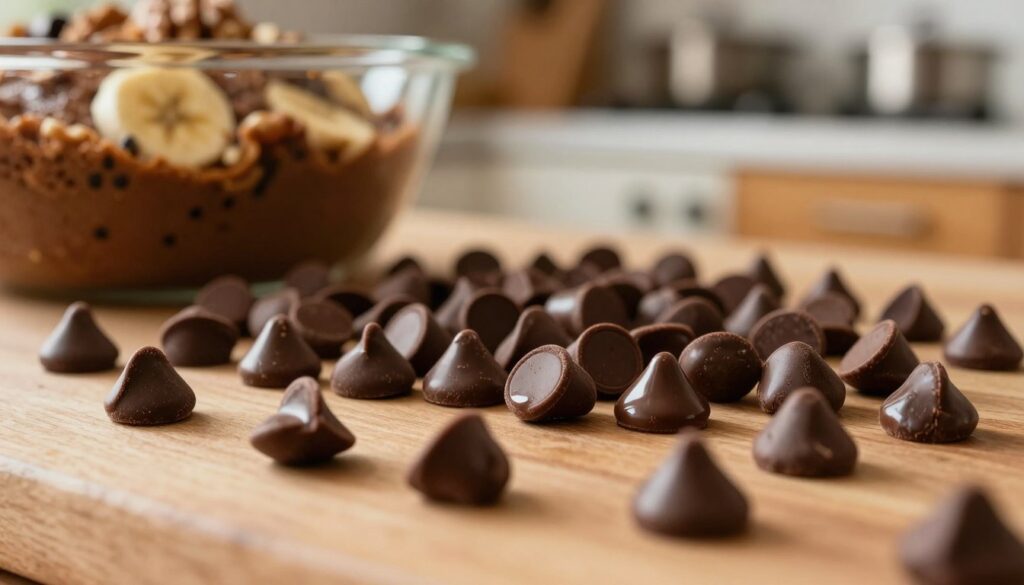
For a decadent twist, stir 50g of chocolate chips into the batter. The chips contrast the soft banana crumb and add pockets of melting chocolate.
Using Wholemeal Flour
Replace half the white flour with wholemeal for a nuttier taste and extra fibre. This keeps the bake moist while giving a more rustic crumb.
Incorporating Spices
Try ½ tsp nutmeg or ground ginger for warmth. Add orange zest for brightness or swirl in a spoonful of chocolate spread for a marbled finish.
“Small changes make the classic familiar and new at the same time.”
| Variation | What to add | Effect |
|---|---|---|
| Chocolate chips | 50g chocolate chips | Melting pockets of chocolate, richer slices |
| Wholemeal | Half wholemeal, half white flour | Nutty flavour, more fibre |
| Spiced | Nutmeg or ginger, orange zest | Warmer, seasonal profile |
| Sugar swap | Extra banana instead of some sugar | Lower refined sugar, natural sweetness |
Storing Your Cake for Maximum Freshness
To preserve freshness, wrap the cooled cake in a layer of parchment paper and place it inside an airtight tin at room temperature. This keeps the crumb tender and the top from becoming soggy.
If your kitchen is very warm, store the loaf in the fridge to prevent spoilage. Chilling will slow deterioration, though it may firm the crumb slightly.
For longer storage, wrap individual slices in plastic wrap and freeze them. Frozen slices can keep up to 3 months and are handy for quick snacks.
Always let the bake cool completely before wrapping. Trapping steam shortens shelf life. Using good quality paper inside the tin helps retain moisture.
“When you use riper bananas the cake stays moist longer — choose well-spotted fruit.”
- Room temperature: airtight tin, up to 4 days.
- Warm climates: refrigerate to prevent spoilage.
- Long-term: freeze wrapped slices; thaw to room temperature before serving.
| Storage | Where | Duration |
|---|---|---|
| Whole loaf | Airtight tin at room temperature | Up to 4 days |
| Slices | Individually wrapped in freezer | Up to 3 months |
| Warm climates | Fridge | 4–7 days depending on heat |
Conclusion
This simple finish ties the bake together: a few careful steps reward you with a tender slice that celebrates natural sweetness and texture. Use ripe banana for flavour and watch your minutes in the oven to get a perfect golden top.
The mary berry recipe shows how good ingredients and clear technique make baking a satisfying, repeatable result. Cream the butter with sugar, fold the flour gently and add eggs and mashed fruit in a warm bowl for best texture.
If you want a twist, fold in chocolate or keep the walnuts for crunch. Store the cooled cake in an airtight tin to enjoy the results of your baking for days. We hope this becomes one of your favourite home recipes.
FAQ
What ripeness should the bananas be for best results?
Can I swap plain flour for wholemeal or self-raising?
How should I prepare the loaf tin to prevent sticking?
Why is creaming butter and sugar important?
When should I fold in walnuts or chocolate chips?
How long and at what temperature should I bake the loaf?
How do I check if the loaf is done without overcooking it?
What causes a dense crumb and how can I fix it?
Can I add chocolate chips, and how will they affect baking?
What spices pair well with this loaf?
How should I cool and store the cake to keep it fresh?
Is it possible to reduce sugar or fat without ruining the texture?
Mary Berry Banana And Walnut Loaf
This classic British bake turns ripe fruit into a soft, moist cake that feels like home. It pairs perfectly with afternoon tea or a simple weekend treat.
Ingredients
- 2–3 ripe bananas (about 225g)
- 225g self-raising flour (or plain flour + 3 tsp baking powder)
- 100g soft butter at room temperature
- 175g light brown sugar
- 50g roughly chopped walnuts
- 1 tsp vanilla extract
- pinch of salt
- optional: ½ tsp ground cinnamon
Method
- Preheat the oven to 170°C (340°F).
- Line a 900g/2lb loaf tin with baking parchment, allowing it to overhang the sides.
- Cream the butter and sugar in a large mixing bowl until pale and fluffy.
- Beat in the eggs one at a time, then stir in the mashed bananas and vanilla until smooth.
- Sift the flour and baking powder (if using plain flour) with a pinch of salt, then fold gently into the wet mixture until just combined.
- Fold in the chopped walnuts gently.
- Spoon the batter into the prepared loaf tin and level the top with a spatula.
- Bake in the preheated oven for 50–60 minutes, or until a skewer inserted into the center comes out clean.
- If the top browns too quickly, tent with foil after about 40 minutes.
- Allow the loaf to cool in the tin for 10 minutes before transferring to a wire rack to cool completely.