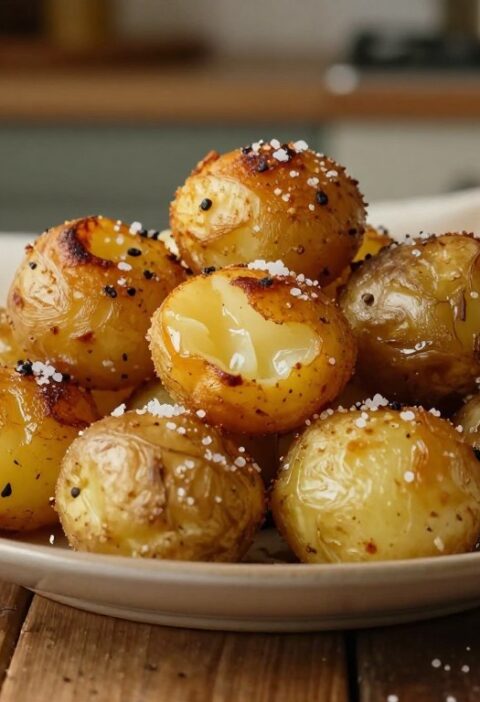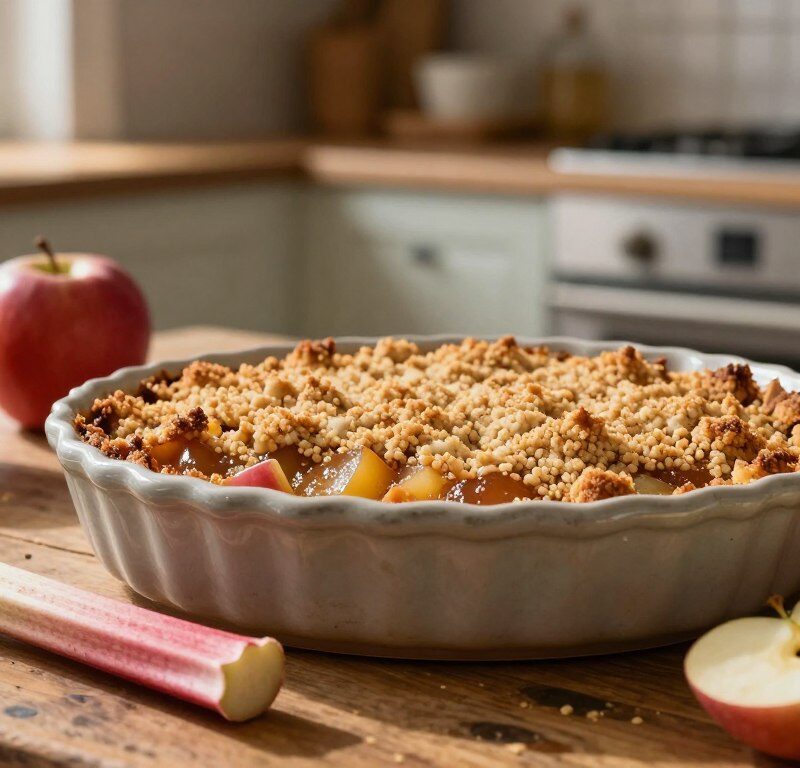
This classic pudding blends tart fruit with a buttery, golden topping, creating a simple yet comforting finish to any meal. The technique is straightforward, so even a novice can enjoy reliable results.
Using good ingredients and a gentle hand in the kitchen makes all the difference. The method focuses on balance: sharp rhubarb meets sweet fruit under a crisp, warming crumble.
Whether you favour traditional baking or modern twists, this recipe honours a long-standing British tradition. It is perfect for family gatherings or a quiet Sunday lunch and suits all levels of experience in cooking.
Key Takeaways
- Simple ingredients produce a reliably tasty, home‑style dessert.
- The method balances tart and sweet for satisfying flavour.
- Suitable for bakers of all skill levels.
- Perfect for family meals and casual entertaining.
- Focus on technique ensures consistent results each time.
The Timeless Appeal of Mary Berry Apple And Rhubarb Crumble
This pudding pairs tender apples with sharp rhubarb for a homely taste that feels instantly familiar. The mix of soft, syrupy fruit and a crisp topping makes each spoonful comforting.
mary berry created a rustic, generous recipe that celebrates simple home baking. Layering chopped apple with rhubarb gives a clean sweet–sharp balance that many kitchens return to year after year.
The golden crisp topping is the recipe’s signature. It adds texture and warmth and turns plain fruit into something special with very little fuss.
The appeal is its simplicity: the oven does most of the work, turning basic ingredients into a reliable, warming dessert. This British favourite is ideal for cozy evenings or casual family gatherings.
- Dependable flavours from simple fruit and buttered flour.
- A satisfying contrast between soft filling and crunchy topping.
- Easy to adapt, and easy to love.
Essential Ingredients for Your Crumble
Before you heat the oven, make sure the pantry and fruit bowl are stocked with the right basics. Clear ingredients and simple measures make the method reliable. Keep everything to hand so the bake flows smoothly.
Dry Ingredients
- Plain flour: 175 g — the base of the topping and crucial for texture.
- Unsalted butter: 100 g, cold and cubed to create that sandy topping.
- Caster sugar: 100 g for the fruit filling and 75 g demerara sugar to finish the topping.
- Ground cinnamon: ½ teaspoon for warmth and aroma.
Fresh Produce
- Cooking apples: 450 g, peeled, cored and sliced to add natural sweetness.
- Rhubarb: 400 g, trimmed and cut into chunks to give a sharp lift to the fruit mix.
- Have a large mixing bowl ready to combine flour, butter and sugar into the signature crumble texture.
These ingredients reflect the classic mary berry approach: simple, measured and balanced so each element plays its role in the final pudding.
Selecting the Best Fruit for Your Dessert
The success of this pudding begins at the market: pick fruit that will hold up in the oven.
Choose firm cooking apples so they soften without turning to mush. A single peeled apple will show you how the texture changes. Firm fruit gives a smoother, syrupy base once baked.
For flavour balance, use 400 g of fresh rhubarb, trimmed and cut into even pieces. Even-sized stalks cook at the same rate and release juices evenly. Vibrant rhubarb stalks will keep the colour and tart lift the recipe needs.
Avoid bruised or overly soft produce. Poor-quality fruit can make the filling watery or dull the taste. Cut all fruit into uniform pieces to let natural juices form a glossy filling.
Proper selection is a hallmark of the mary berry method. Good fruit means a dessert that is neither too tart nor too sweet and gives reliable results every time.
Preparing the Fruit Base
Begin by arranging the prepared fruit in a medium ovenproof dish. This gives the fruit room to release juices and lets heat reach every piece evenly.
Balancing Tartness
Sprinkle 100 g of caster sugar over the apples and rhubarb. Mary Berry recommends this amount to draw out juices and tame sharpness.
If your rhubarb tastes very tart, increase the sugar slightly. Reduce it if the fruit seems very sweet. Adjusting here ensures the oven creates a syrupy, balanced filling.
- Place the chopped apples and rhubarb pieces in a medium baking dish.
- Sprinkle caster sugar so juices form before and during baking.
- Use an even ovenproof vessel to stop some parts overcooking while others stay firm.
| Sugar level | Result after baking | When to use |
|---|---|---|
| 75 g | Lightly tart, glossy syrup | Ripe, sweet fruit |
| 100 g | Balanced sweet–sharp | Standard guidance from mary berry |
| 125 g | Sweet, thick syrup | Very sharp rhubarb or extra-sweet filling |
This preparation step sets the stage for texture and flavour. The interaction of fruit and sugar under oven heat forms the glossy base that the topping rests on.
Mastering the Perfect Crumble Topping
A simple rubbing method turns cold butter and flour into a golden, crisp finish. This is the step that gives the pudding its signature contrast of soft fruit and crunchy topping.
The Rubbing Technique
Put cold flour into a large bowl and add cubed, chilled butter. Use your fingertips to rub the fat into the flour until the mix looks like coarse breadcrumbs.
Work briefly. Overworking warms the butter and will stop the topping from becoming light and crumbly.
Choosing Your Butter
Use high-quality, cold butter. It helps the topping bake into separate flakes and a golden colour. This is one of the principles the mary berry approach stresses.
Adding Texture
Fold in caster and a little demerara sugar plus a pinch of ground cinnamon for crunch and aroma. The aim is a loose crumbly mixture that sits on top of the fruit and bakes to a crisp finish.
Assembling the Dish for Optimal Texture
Leave the topping untamped to preserve pockets of air that brown into flakes. Scatter the crumble topping evenly over the prepared fruit so the hot air can move between pieces.
Spread the rhubarb and fruit base in a single, even layer across the baking dish. This helps everything cook at the same rate and keeps the filling glossy rather than watery.
Resist the urge to press the mixture down. A loose top bakes into a lighter, flakier finish and gives the best contrast between soft filling and crispy top.
- Scatter topping evenly; do not compact it.
- Ensure the baking dish holds an even fruit layer for consistent cooking.
- Keeping the top loose improves final texture and appearance.
| Step | Why it matters | Result |
|---|---|---|
| Even fruit layer | Promotes uniform heat and syrup formation | Consistent softness across the dish |
| Loose topping | Allows air to create crisp flakes | Light, golden top with contrast |
| No pressing | Prevents dense, doughy finish | Better mouthfeel and presentation |
For a full method and timings, see the full recipe. Follow these simple assembly steps to achieve the classic balance of sharp rhubarb, sweet fruit and a buttery, golden topping.
Baking Guidelines for a Golden Finish
A steady oven and careful timing are the simple secrets to a perfectly browned topping. Follow set temperatures and the right cook minutes to achieve an even, golden crisp that lets the fruit sing through.
Oven Temperature Settings
Preheat your oven to 190°C, or 170°C if using a fan. This ensures the topping browns while the filling cooks through.
Place the filled dish on a middle shelf so heat reaches the top evenly. Bake for 40–45 minutes, or until the topping is golden brown and the fruit bubbles at the edges.
“The bubbling fruit is a clear sign the sugar has caramelised and the dessert is ready.”
- Keep an eye on the top during the last few minutes to prevent over-browning.
- If the top browns too quickly, tent with foil for the remaining cook minutes.
- Allow the baked dish to rest for a few minutes so the syrup sets slightly before serving.
| Setting | What to look for | Result |
|---|---|---|
| 190°C (170°C fan) | Topping turns golden, filling bubbles | Even bake with golden crisp top |
| 40–45 minutes | Edges bubbling, top browned | Cooked fruit, crisp topping |
| Tent with foil | Top browning too fast | Prevent burning, finish cooking inside |
Serving Suggestions for a Classic British Pudding
Serving this homely dessert is about choosing contrasts: hot filling, cool topping, smooth or tangy extras.
Hot custard is the traditional choice. Pour a generous amount over each portion so the sauce soaks into the fruit and warms the topping.
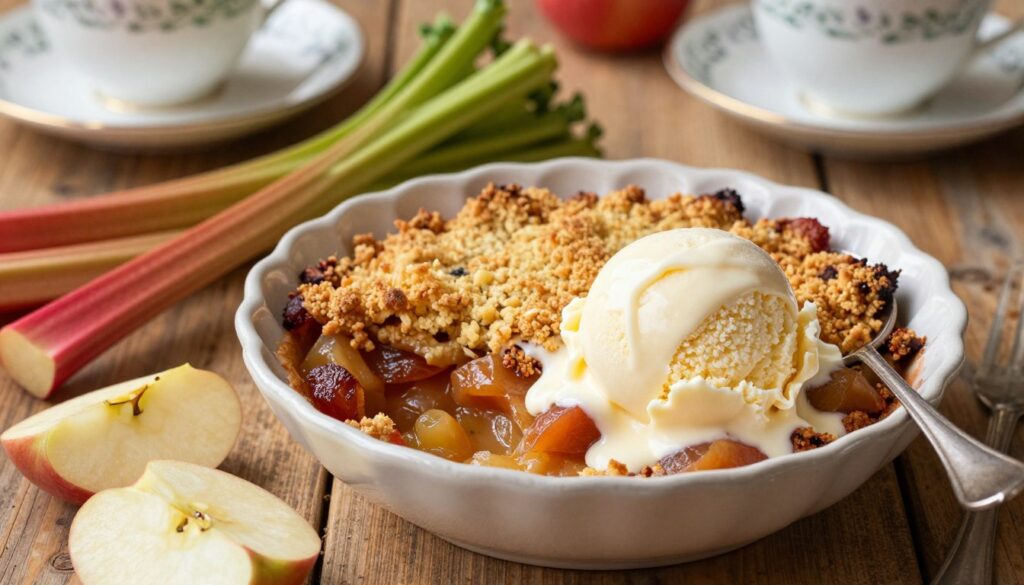
For a chilled counterpoint, add a single scoop of cold vanilla ice cream. The melt creates a creamy ribbon through the hot fruit.
Pouring double cream gives a rich, silky finish. Alternatively, a spoonful of Greek yogurt adds a fresh, tangy note for a lighter feel.
“Serve while still warm for the best contrast of textures and flavours.”
| Accompaniment | Why it works | Best for |
|---|---|---|
| Hot custard | Warms filling and soaks into the fruit | Traditional, comforting service |
| Vanilla ice cream | Cold, creamy contrast that mellows sharpness | Guests who like a sweet, cooling finish |
| Double cream | Silky richness that complements buttery topping | When you want an indulgent plate |
| Greek yogurt | Light, tangy balance to sweet syrup | Lighter servings or health-conscious diners |
Customising Your Crumble Recipe
Customising the filling and topping is an easy way to refresh the recipe for different tastes and diets. Small swaps change flavour and texture while keeping the dish familiar and comforting.
Dietary Adaptations
Make the dessert suitable for intolerances or preferences without losing its homely charm.
- Swap plain flour for a gluten‑free blend to make it wheat‑free.
- Use plant‑based butter and dairy‑free custard to serve a vegan version.
- Reduce caster sugar or use natural sweeteners if you need less sweetness.
- For a nut‑free option, avoid chopped nuts and add extra oats for texture.
Flavour Variations
Experiment to find a favourite twist. A small change can lift the whole dish.
- Add ground ginger to the fruit for warm spice; fresh ginger works well too.
- Replace some caster sugar in the topping with brown sugar for caramel notes.
- Mix in berries or stone fruit with the rhubarb to contrast sharpness and sweetness.
- Fold chopped nuts or rolled oats into the crumbly mixture for extra crunch and texture.
“A pinch of cinnamon or a splash of vanilla will nudge the flavour toward cosy and familiar.”
These tweaks let you make crumble your own while respecting the core technique: keep the butter cold, rub with fingertips and aim for a light, sandy topping so the fruit can shine.
Troubleshooting Common Baking Issues
Fixing a runny filling or a pale top is usually straightforward with the right tweaks. Start by checking the fruit and how you handled it before it went into the oven.
If the filling is too runny, toss the rhubarb pieces with a teaspoon of cornflour to thicken the juices. This helps the syrup set as the dish cools.
A soft topping often comes from warm butter or too much handling. Keep butter cold and rub briefly so the topping stays light and crisp.
If the pudding looks underbaked, return it to the oven for a few extra cook minutes until the top turns golden and the fruit bubbles at the edge.
If the rhubarb seems too tart, add a little extra sugar or a splash of vanilla to balance the sharpness.
Should the top burn, cover it loosely with foil for the remaining minutes to protect the surface while the centre finishes cooking.
Serve with warm custard, a dollop of cream or a scoop of ice cream to soften minor faults and add a creamy contrast.
Storing and Reheating Your Leftovers
Proper chilling and gentle reheating preserve texture and flavour in this classic bake. Store any leftovers in the original baking dish, covered, in the refrigerator for up to three days to keep quality high.
Reheating Methods
For the best result, reheat in a preheated oven at 180°C (160°C fan). Place the covered baking dish straight from the fridge into the oven.
Heat for 10–15 minutes until the centre is warm and the topping is crisp. Check after 10 minutes to avoid over-browning.
Avoid the microwave if you want to keep the topping crunchy; microwave heat tends to soften the surface. If you froze the dessert, thaw overnight in the fridge before baking as directed.
- Using an ovenproof dish simplifies reheating — no need to transfer contents.
- If the top softens, return to the oven uncovered for a few minutes to restore crispness.
- Store leftovers covered and cool before refrigerating; this protects flavour and texture.
Nutritional Information for Your Dessert
A clear nutritional breakdown makes portion control simple and sensible. Each serving is a satisfying treat that also fits into a balanced meal plan.
- Energy: approximately 350 kcal per portion.
- Carbohydrates: about 48 g, with roughly 26 g sugar included.
- Fat: around 15 g; Protein: near 4 g.
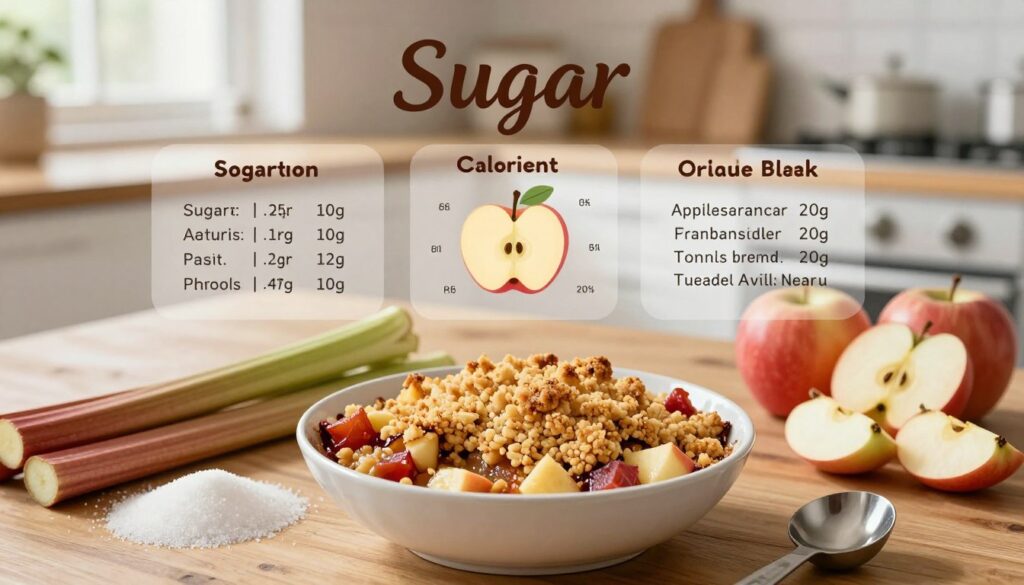
The topping’s use of cold butter and plain flour contributes to the fat and energy total. A small serving of cold cream will add richness but slightly raise calories.
| Per serving | Amount | Note |
|---|---|---|
| Energy | 350 kcal | Substantial dessert portion |
| Sugar | 26 g | Includes natural fruit sugars |
| Fat | 15 g | From butter in the topping |
Use these figures as estimates. Ingredient choice and portion size change the totals, so adjust when planning a full menu.
Conclusion
A well-made crumble brings out the best in seasonal fruit with little fuss and steady oven heat.
Mastering the balance of tart rhubarb and sweet apple creates a syrupy filling that contrasts with a light, buttery topping. The mix of texture and warming spice, such as cinnamon, is part of the charm.
Serve the dish warm with hot custard or cream, or enjoy it on its own. Simple ingredients and clear cooking steps mean even new bakers can succeed.
This recipe is a dependable, timeless treat. For the full method and timings follow the full recipe and bake with confidence—Mary Berry’s approach keeps the result honest and comforting.
FAQ
What type of cooking apples and rhubarb work best for this pudding?
How do I balance tartness so the filling isn’t too sharp?
What’s the best flour to use in the crumble topping?
How should I prepare the butter for rubbing into the dry ingredients?
Can I swap sugars in the topping for different textures?
What oven temperature and time produce a golden, bubbling finish?
How can I tell when the fruit base is cooked through?
What are simple ways to add texture to the crumble topping?
How do I adapt the recipe for dietary needs like gluten-free or vegan?
What are recommended serving options for a classic British pudding?
How should leftovers be stored and reheated?
Can I freeze the fruit base or the whole assembled dish?
My topping turned soggy — what went wrong?
Any tips for achieving a golden, even colour on top?
Mary Berry Apple And Rhubarb Crumble
This classic pudding blends tart fruit with a buttery, golden topping, creating a simple yet comforting finish to any meal.
Ingredients
- 175 g plain flour
- 100 g unsalted butter, cold and cubed
- 100 g caster sugar
- 75 g demerara sugar
- ½ teaspoon ground cinnamon
- 450 g cooking apples, peeled, cored and sliced
- 400 g rhubarb, trimmed and cut into chunks
Method
- Preheat your oven to 190°C (170°C fan).
- Arrange the prepared apples and rhubarb in a medium ovenproof dish.
- Sprinkle 100 g of caster sugar over the fruit to draw out juices.
- In a large bowl, combine the plain flour and cold, cubed butter. Use your fingertips to rub the butter into the flour until it resembles coarse breadcrumbs.
- Fold in the caster sugar, demerara sugar, and ground cinnamon into the crumble mixture.
- Scatter the crumble topping evenly over the prepared fruit, ensuring not to compact it.
- Bake in the preheated oven for 40-45 minutes, or until the topping is golden brown and the fruit is bubbling at the edges.
- Allow the baked dish to rest for a few minutes before serving.