This classic Mary Berry Scotch Pancakes recipe brings warm, traditional British comfort to your kitchen with very little fuss. These small, thick treats are famed for their light, fluffy texture and make a lovely start to any morning.
Renowned for simple methods and reliable results, the cook behind this favourite has perfected a straightforward approach. You will find the steps easy to follow, even on busy days, and the outcome is consistently pleasing.
Whether you are new to griddle work or an experienced home cook, this guide gives clear direction for achieving that signature finish. Follow the precise measurements to recreate the trusted standards from a well-loved collection of recipes.
Key Takeaways
- Simple to prepare: quick steps suit busy mornings.
- Authentic texture: tips ensure light, fluffy results.
- Suitable for cooks of all skill levels.
- Precise measurements help replicate trusted standards.
- Classic British comfort in every bite.
The Appeal of Mary Berry Scotch Pancakes
Quick to make and comforting to eat, this classic takes you from batter to plate in about 15–20 minutes. The whole process is straightforward, so you can prepare a warm stack in just a short time.
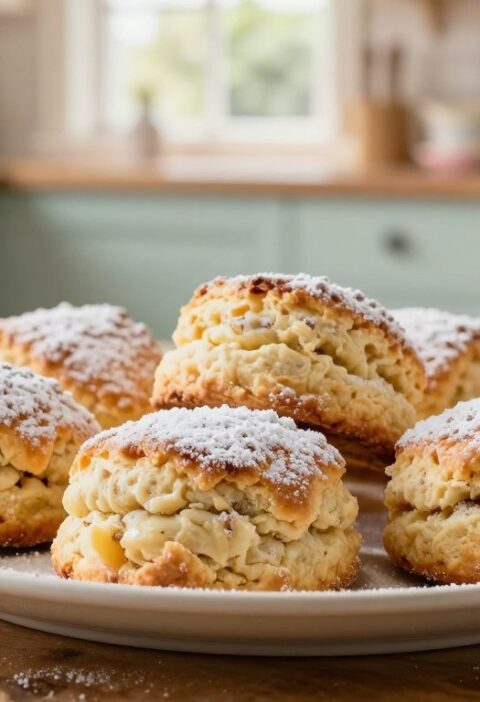
Yielding roughly 8–10 small rounds depending on spoonful size, these drop scones bring a nostalgic, homemade taste to breakfast or a cosy tea. Their texture sits between thin crepes and thick American styles, giving a soft interior and lightly golden exterior.
- Traditional drop scones are a staple in many households and easy to make.
- Mary Berry’s guidance makes the recipe reliable for consistent results.
- Often served at tea, these scones are a quick mid-afternoon pick-me-up ready in under 20 minutes.
- The balance of fluffy centre and golden finish appeals to all ages.
- Versatile for brunch or a simple family breakfast, they become a firm favourite.
Essential Ingredients for Your Batter
The right storecupboard items make all the difference. The balance of dry and wet components will decide how light your drop scones turn out.
Dry Components
Plain flour is the backbone—use 175g to get the correct structure.
Add 1½ teaspoons of baking powder to give the mix a good rise.
Stir in 1 tablespoon of caster sugar for a gentle sweetness that suits tea or breakfast.
Wet Components
In a separate bowl, beat 1 large egg with 200ml of milk using a balloon whisk until smooth.
Combine wet and dry to form a loose batter; do not overmix to keep the texture airy.
Mary Berry suggests a little butter to grease the pan, which adds flavour and helps the pancakes colour evenly.
“Always bring ingredients to room temperature for a better emulsion and more consistent results.”
Necessary Kitchen Equipment
The right kit — from pan to spatula — helps you get even colour and a soft centre every time.
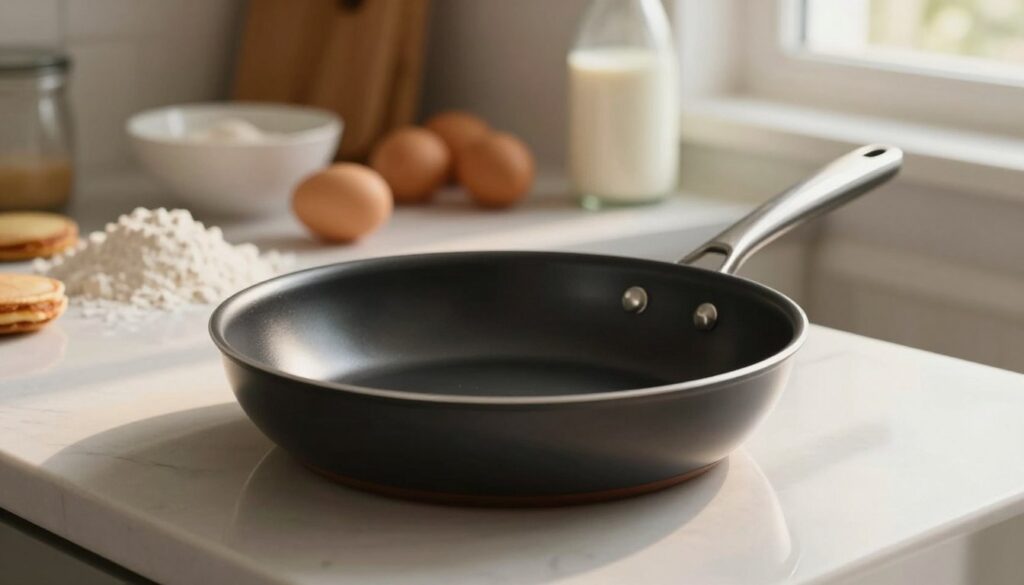
Choose tools that make the job easier and more consistent. A quality non-stick frying pan or a flat griddle gives the best surface for small, thick pancakes.
- Non-stick frying pan: prevents sticking and promotes an even, golden colour.
- Griddle: ideal for cooking several rounds at once and speeding up service.
- Mixing bowl & balloon whisk: remove lumps and keep batter light.
- Tablespoon & flat spatula: portion uniformly and flip cleanly.
- Butter or oil: a light coating on the pan helps with colour and flavour.
| Tool | Purpose | Tip |
|---|---|---|
| Non-stick pan | Even cooking surface | Use low-medium heat to avoid burning |
| Griddle | Cook multiple pancakes | Preheat fully for uniform browning |
| Balloon whisk | Mix batter smoothly | Whisk gently to keep air in |
| Flat spatula | Flip without tearing | Slide under at an angle for ease |
Good equipment is the secret to successful baking. With these items ready you will find the cooking process for these pancakes calm and reliable, much like the approach from mary berry.
Preparing the Perfect Mixture
Good results start at the bowl. Combine your flour, caster sugar and baking powder in a clean bowl. Whisk briefly to blend the dry ingredients and remove lumps.
Achieving the Right Consistency
Beat an egg with the milk and add it gradually to the dry mix while stirring with a whisk. Aim for a thick batter that will drop slowly from a spoon rather than pour like a crepe mix.
Let the mixture rest for 5 minutes; this short pause helps the baking powder wake up and improves the rise. After resting, test the batter by letting a spoonful drop onto a plate — it should hold shape but fall cleanly.
When you drop the mixture onto a warm pan, leave space so the small rounds can spread slightly. Cook the drop scones until golden, then flip and finish for an even colour.
“Allowing the batter to rest for a few minutes makes a real difference to texture and rise.”
Once the batter is smooth and the consistency is right, you are ready for serving. These pancakes make a quick breakfast and reward a little care at the mixing stage.
Mastering the Griddle Technique
Control of temperature and timing transforms a simple batter into light, fluffy drop scones. The goal is even colour and a soft centre, not a scorched exterior.
Heat Management
Keep the pan on medium-low heat so the outside browns slowly while the centre cooks through. A well-heated non-stick pan or seasoned griddle works best.
Too high a heat will burn the surface before the batter sets. If the pan smokes, reduce the heat and wipe with a little oil or butter.
Flipping at the Right Time
Watch for bubbles appearing across the surface—this is your cue to flip. Bubbles mean the interior is setting and the side ready to turn.
Flip gently and do not press down; pressing deflates the air and flattens the scones. Cook the second side for 30 seconds to 1 minute.
Avoiding Overcrowding
Give each pancake room to spread so edges can colour evenly. Overcrowding cools the pan and causes uneven frying.
Finish batches and transfer to a plate covered with a clean tea towel to keep them warm while you cook the remaining batter.
| Focus | Tip | Result |
|---|---|---|
| Heat level | Use medium-low on a non-stick pan or griddle | Even browning, cooked centre |
| Flip timing | Wait for bubbles across the surface | Light, airy texture |
| Second side | Cook 30 seconds–1 minute | Golden finish without overcooking |
| Resting | Cover with a tea towel after cooking | Warm, soft scones for serving |
“Avoid pressing the pancake after flipping; it keeps the bubbles intact and the texture light.”
Troubleshooting Common Cooking Issues
Small adjustments at the hob often fix common faults before the batter even hits the pan.
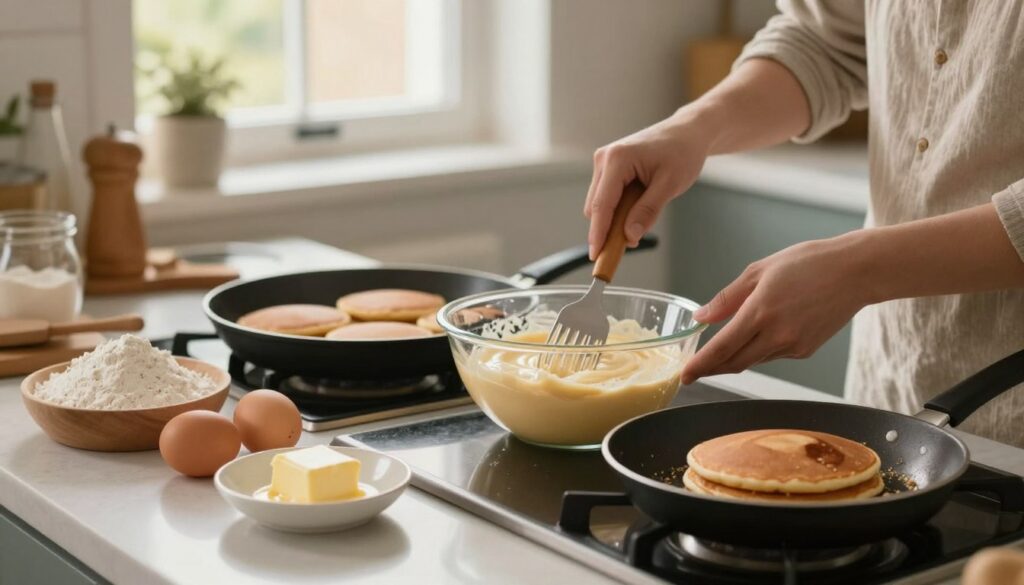
If your pancakes are not rising, check that your baking powder is fresh. Expired powder is the usual cause of flat results.
A thick batter that will not spread can be loosened with a splash of milk. Aim for a spoonable consistency that still holds shape.
If the pan is too hot the outside will colour quickly while the centre stays raw. Lower the heat and cook a little longer in minutes.
- Don’t overmix in the bowl; use a whisk and stop as soon as the ingredients combine to keep the texture light.
- Wait for bubbles to form across the surface before you flip to the other side; flipping too early makes a messy pancake.
- Use a little oil or butter to prevent sticking and to help even browning.
“Treat the first one as a test — adjust heat or batter thickness and you will find the right balance.” — mary berry
Creative Flavour Variations
Try adding citrus zest or spices to give these small rounds a fresh, modern note. A little lemon or orange zest folded into the batter lifts the taste and pairs well with jam or butter.
Sweet finishes work beautifully: drizzle maple syrup or honey over warm drops for a quick, indulgent option. A spoonful of fruit compote or fresh berries with a light maple drizzle is bright and seasonal.
Add a pinch of cinnamon or a handful of chocolate chips to the batter for a family favourite. For a healthier twist, replace part of the plain flour with wholemeal flour; this boosts fibre with minimal change to texture.
Experiment with different zest combinations to match the occasion. These simple swaps keep the core method intact while creating new recipes from familiar ingredients.
| Variation | How to add | Best with |
|---|---|---|
| Citrus zest | Fold 1–2 tsp into the batter | Butter, jam, fresh berries |
| Maple or honey | Drizzle after cooking | Warm stack, cinnamon |
| Cinnamon / chocolate chips | Stir into batter before cooking | Milk tea, coffee |
| Wholemeal swap | Use half wholemeal, half plain flour | Fruit compote, yoghurt |
“Small additions can transform a simple recipe into something special.”
Serving Suggestions for Breakfast or Tea
A few thoughtful serving choices lift these soft rounds from everyday to memorable. For a traditional British breakfast, place a warm stack on a plate and add a pat of butter and a generous spoonful of strawberry jam.
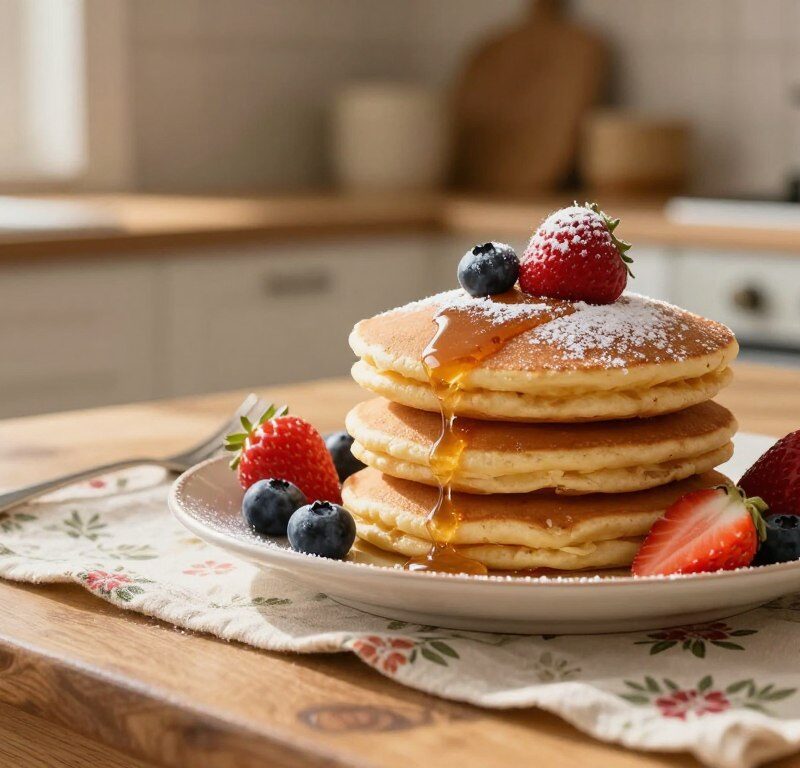
For a sweeter option, drizzle with high-quality maple syrup or a little honey. The light batter soaks up syrup and adds a pleasant, sticky finish.
Keep cooked pancakes warm by stacking them and covering with a clean tea towel until you are ready to serve. This keeps them soft and prevents the stack from cooling too quickly.
Fresh berries and a dollop of thick yoghurt give a clean, refreshing contrast. A squeeze of lemon and a scatter of sugar work well too for a simple, bright finish.
- Indulgent: maple syrup or honey and extra butter.
- Light: berries with thick yoghurt.
- Customise: nut butter, jam or lemon and sugar for each diner.
“Serve immediately while still soft and fluffy for the best experience.”
Storing and Reheating Leftovers
A little care after cooking makes reheating simple and retains the soft, fluffy interior.
Cool completely on a wire rack before you store any pancakes. This prevents condensation and keeps the surface from going soggy.
Stack with a sheet of parchment between each round to stop them sticking. Place the stack in an airtight container and refrigerate.
- Fridge life: keep for up to 2 days — a handy option when short on time.
- To reheat: warm in a dry non-stick frying pan over low heat for a few minutes until heated through.
- Quick microwave: cover with a damp towel for 20–30 seconds to avoid drying out.
- Freezing: freeze in a single layer, then transfer to a bag for longer storage.
When using a pan, add no more than a touch of oil to prevent sticking during frying. Warm gently and avoid high heat so the centre heats without over-browning the outside.
“A cool rack, simple stacking and gentle reheating keep the texture close to freshly made.”
Nutritional Considerations
Simple swaps in the batter can change the calorie and fibre profile significantly. These small changes let you enjoy a warm stack while keeping an eye on nutrition.
Energy and protein: Carbohydrates come mainly from the flour, while the egg and milk supply protein. This makes the portion a balanced source of energy for breakfast.
To boost fibre, replace part of the plain flour with wholemeal flour. That swap makes scotch pancakes more filling and helps steady blood sugar between meals.
Fat and calories: The fat content varies with your choice of greasing. Use a light oil spray or a small knob of butter to keep fat moderate.
For a lower-calorie option, choose low-fat milk and reduce sugar in the batter. These recipes retain texture while cutting a few calories.
- Use wholemeal flour to increase fibre.
- Choose low-fat milk or less sugar for fewer calories.
- Keep greasing minimal to control fat level.
- Check ingredient quality to avoid additives.
| Nutrient | Source | Tip |
|---|---|---|
| Carbohydrates | Flour | Use mixed plain and wholemeal for more fibre |
| Protein | Egg, milk | Keep egg; choose higher-protein milk or add yoghurt |
| Fat | Butter/oil | Use a light brush of oil or low-fat spread |
| Calories | Batter & toppings | Reduce sugar and syrup; add fresh fruit |
“Understanding the nutritional profile of your ingredients helps you enjoy these treats as part of a healthy diet.”
Conclusion
With gentle timing and a soft hand, you can produce consistent, fluffy drop scones every time. Mastering the wait for visible bubbles is the simple trick that makes the difference.
This mary berry style scotch pancakes recipe shows that basic ingredients—plain flour, an egg and a splash of milk—deliver warm comfort for breakfast or tea. Serve with butter and a spoonful of jam, or try a light drizzle of syrup.
Keep practising the heat and flip timing. With a little patience and these tips, your baking will feel effortless and your favourite recipes will become reliably excellent, batch after batch.
FAQ
How do I make the batter light and fluffy?
What pan or griddle should I use?
How hot should the pan be?
When should I flip the pancakes?
How do I avoid overcrowding the pan?
Can I make the batter ahead of time?
What are good flavour variations?
How should I serve them for breakfast or tea?
How do I store and reheat leftovers?
Can I make them gluten-free or dairy-free?
Why are my pancakes dense or chewy?
How much batter should I drop per pancake?
Is there a tip for even colouring and a crisp edge?
Can I add sugar to the batter?
How do I check the batter consistency?
Mary Berry Scotch Pancakes
This classic Mary Berry Scotch Pancakes recipe brings warm, traditional British comfort to your kitchen with very little fuss. These small, thick treats are famed for their light, fluffy texture and make a lovely start to any morning.
Ingredients
- 175g plain flour
- 1½ teaspoons baking powder
- 1 tablespoon caster sugar
- 1 large egg
- 200ml milk
- Butter or oil for greasing the pan
Method
- Combine the flour, caster sugar, and baking powder in a mixing bowl and whisk briefly to remove lumps.
- In a separate bowl, beat the egg with the milk until smooth.
- Gradually add the wet mixture to the dry ingredients while stirring with a whisk to form a loose batter; do not overmix.
- Let the batter rest for 5 minutes to improve the rise.
- Heat a non-stick frying pan or griddle over medium-low heat and grease lightly with butter or oil.
- Drop spoonfuls of batter onto the pan, leaving space for the pancakes to spread.
- Cook until bubbles appear on the surface, then flip and cook for another 30 seconds to 1 minute until golden.
- Transfer cooked pancakes to a plate covered with a clean tea towel to keep warm while cooking the remaining batter.