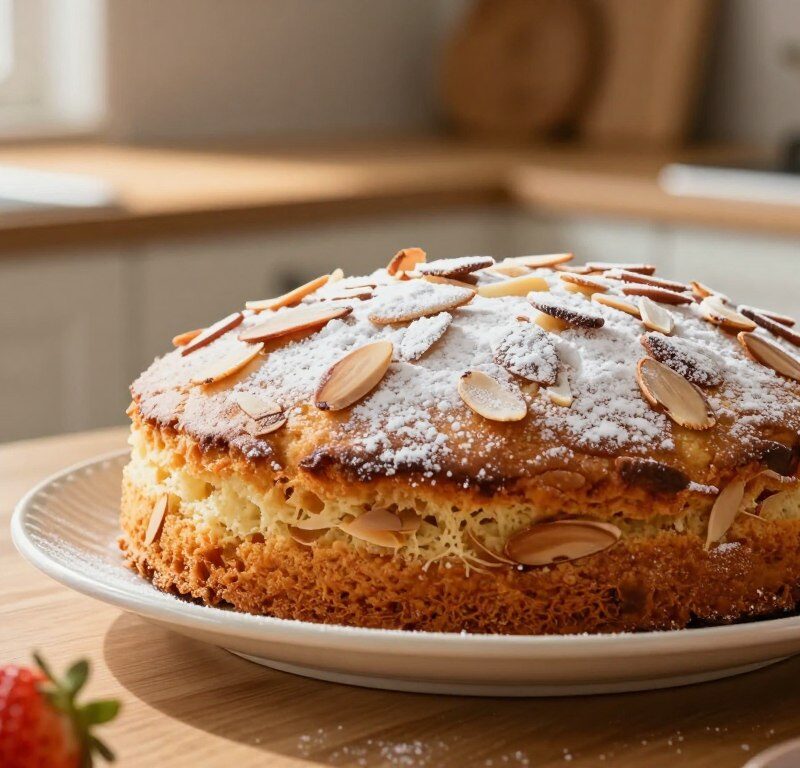
This classic British sponge brings gentle nutty warmth without masking the soft crumb. Inspired by a reliable baking style, the recipe keeps steps simple and calm. It suits afternoon tea, family gatherings or a pared-back dessert served plain or lightly filled.
The method values careful folding and modest baking time over fuss. Ground nuts and a whisper of extract enrich the batter so the result stays tender and moist. An even rise and pale golden top reward steady mixing rather than complex technique.
For a practical guide and ingredient list that follows this tradition, see the full recipe here. Serve warm with cream or custard, or dust with icing sugar for a simple, comforting finish.
Key Takeaways
- Light, subtly nutty sponge ideal for tea and simple desserts.
- Classic technique: cream, fold and bake for an even rise.
- Ground nuts and a touch of extract give tender texture.
- Short, modest baking time; careful mixing matters most.
- Serve warm with cream or custard for best results.
The Appeal of a Classic Mary Berry Almond Sponge Cake
What makes this sponge so beloved is the balance: light texture with a subtle almond presence that never feels heavy or overly sweet.
Ground nuts keep the crumb soft and moist, giving reliable results even for those new to baking. The method uses familiar steps, so you can trust the outcome without fuss.
The recipe is versatile. It works plain, dusted with sugar, or paired with a light filling for afternoon tea. It also travels well and stays fresh when made ahead.
- Consistent texture: gentle crumb from ground nuts.
- Simple technique: accessible recipes for bakers of all levels.
- Flexible serving: suits plain slices or delicate fillings.
With mary berry’s steady approach, each slice highlights the almond note while keeping the overall taste restrained and elegant.
Essential Ingredients for Your Sponge
Start by gathering precise, top-quality ingredients to ensure a light, even bake. Accurate weighing and good staples set the tone for a dependable result with classic flavours.
Selecting Quality Almonds
Use ground nuts that are fresh and finely milled. Adding 50g of ground almonds brings moisture and a gentle nutty note without weighing the sponge down.
Choosing the Right Flour
Combine 125g of self-raising flour with the ground almonds for the dry mix. This blend gives lift and keeps the crumb tender.
- Base amounts: 175g softened unsalted butter and 175g caster sugar form the creamed foundation of the cake.
- Structure: Incorporate 3 large eggs for stability and rise.
- Flavour balance: Measure ½ teaspoon of almond extract to accent, not dominate.
- Quality matters: Use good caster sugar and reliable self-raising flour for light texture.
- Tip: Ensure butter is at room temperature so ingredients blend smoothly.
For a fuller method and ingredient list, try this detailed version of the full mary berry all-in-one victoria sponge to compare techniques and serve ideas.
Required Baking Equipment
Gathering the right kit makes baking smoother and helps you get an even finish every time.
Start with a 20cm round cake tin. This size promotes a steady rise and an even bake for a single-layer sponge.
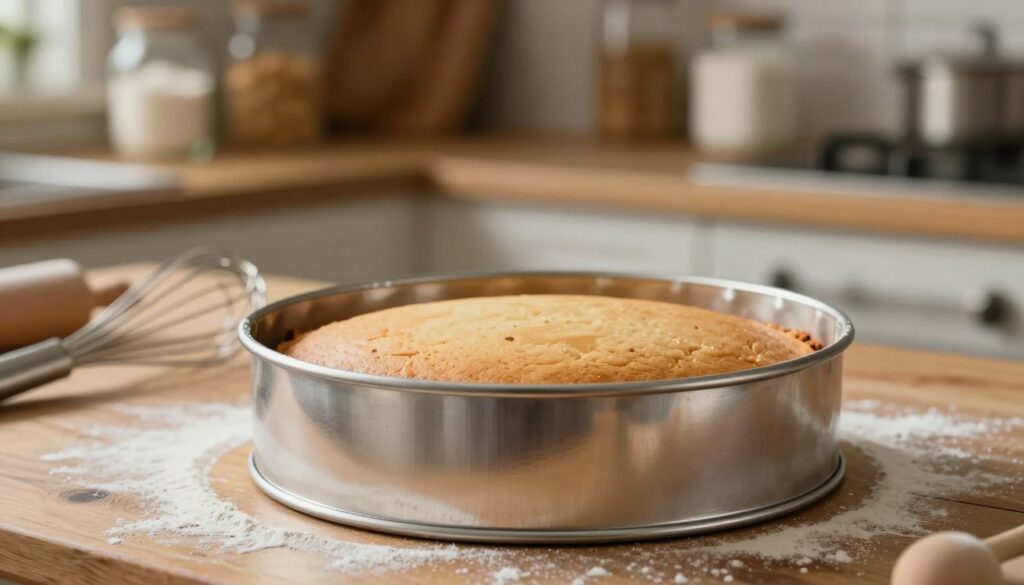
Line the tin with baking parchment to release the sponge cleanly and protect the edges when you turn it out.
- Large mixing bowl: gives space for smooth, lump-free blending of batter.
- Electric hand mixer: speeds creaming and helps achieve a light base.
- Cooling rack: prevents trapped moisture so the base stays dry while the cake cools.
| Tool | Purpose | Tip |
|---|---|---|
| 20cm tin | Even rise and bake | Use the size recommended in mary berry recipes |
| Baking parchment | Easy release | Cut a circle for the base and strips for the sides |
| Cooling rack | Air circulation while cooling | Leave the cake in the tin 10 minutes before transferring |
Preparing the Perfect Batter
Begin by heating the oven to 180°C (160°C fan). Line a 20cm cake tin with parchment so the tin is ready when the batter is complete.
Creaming Butter and Sugar
In a large bowl, cream 175g softened butter with 175g caster sugar until pale and fluffy. This step introduces air and builds the light base that defines the sponge texture.
Incorporating Eggs
Add the 3 large eggs one at a time, mixing gently after each addition. Take care to stop as soon as the mixture looks smooth to avoid curdling.
Folding Dry Ingredients
Combine 125g self-raising flour with 50g ground almonds and fold these dry ingredients into the batter using a spatula. Work lightly to keep the mixture airy.
Stir in 2 tablespoons of milk and a small splash of almond extract to reach a soft, dropping consistency. This careful method, favoured by Mary Berry, helps ensure an even rise and delicate crumb.
“Gentle folding and modest baking time give the best, most reliable texture.”
- Preheat oven and line tin first.
- Cream butter and caster sugar until pale.
- Add eggs slowly; fold dry mix in carefully.
Baking Techniques for an Even Rise
A steady oven and a clear routine are the baker’s best tools for an even rise. Preheat to 180°C (160°C fan) and place the tin on the middle shelf. This simple step promotes even colour and a consistent lift across the centre.
Bake the sponge for 35–40 minutes until the top is pale golden and springy to the touch. Keep the oven closed; resist the urge to open the door early, as sudden temperature changes can sink the cake.
Insert a skewer into the centre to test doneness. If the skewer inserted comes clean, the flour and ground almonds have set correctly and the baking is complete.
- Allow the tin to sit for 10 minutes once removed from the oven, then leave cool on a wire rack.
- Using the middle shelf and a skewer test are common mary berry techniques found in many classic recipes.
- Proper cooling on a rack prevents sogginess and protects the light crumb you worked for.
“A clean skewer and gentle cooling keep texture and flavour true to the recipe.”
Creative Variations and Flavour Twists
A light lemon lift and a sprinkle of nuts give the recipe a fresh, seasonal turn. These tweaks keep the basic sponge structure while adding brightness or texture.
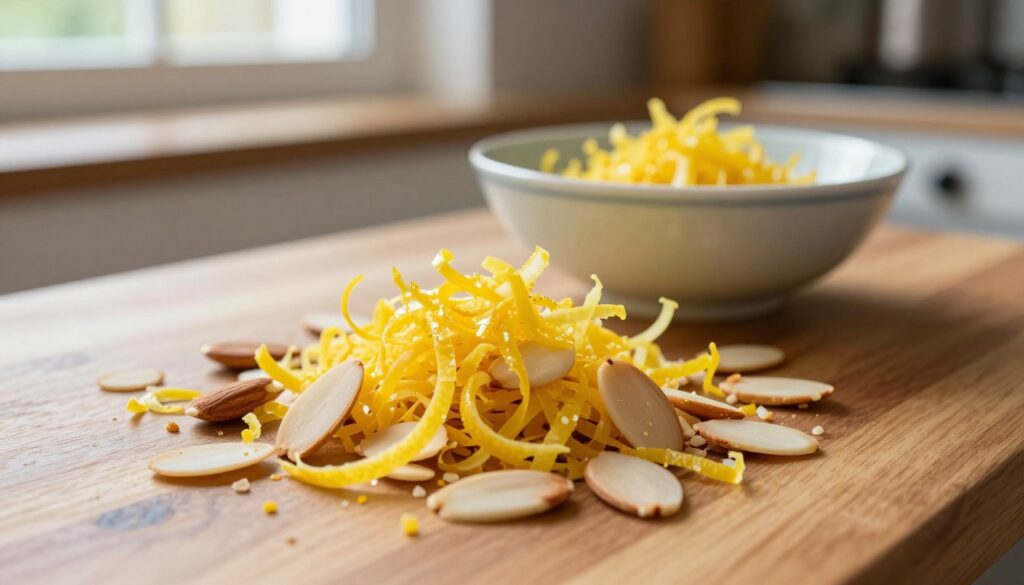
Start small: fold 1–2 teaspoons of fresh lemon zest into the batter for a clear citrus note that complements the nutty base.
Simple ideas to try
Sprinkle 25g of flaked almonds across the top before baking to add crunch and a decorative finish.
A dusting of icing sugar is perfectly classic. Alternatively, whisk lemon juice with a little icing sugar and drizzle a light glaze over the cooled sponge for extra zing.
- Swap the almond extract for vanilla to soften the nuttier edge.
- Increase ground almonds slightly and reduce flour to deepen flavour and moisture.
- These small changes keep the core sponge cake structure while letting you personalise the bake.
“Adding lemon zest is a popular twist that complements the nutty notes and keeps this one of the most versatile recipes.”
Serving Suggestions for Afternoon Tea
Present slices simply and let modest additions enhance the flavour without overwhelming the soft crumb.
A cup of Earl Grey or English breakfast tea pairs beautifully with the nutty note and light sugar finish. This traditional match balances warmth and sweetness.
Add a small spoonful of lightly whipped cream to each portion for softness. Fresh berries on the side cut through richness and add a bright, refreshing contrast.
- Dust with a light sprinkle of icing for a classic look.
- Serve a tart lemon curd alongside for a citrus lift.
- Keep portions modest so the dessert feels delicate at afternoon teatime.
“Simple accompaniments let a well-made sponge cake shine.”
These serving ideas suit the best mary berry recipes: they respect the cake’s gentle almond character while keeping presentation elegant and effortless.
Storing and Freezing Your Cake
Correct wrapping and timing preserve that just-baked tenderness. Store your sponge at room temperature, wrapped well in parchment or foil and kept in the original cake tin for up to three days.
If you have used a cream filling, refrigerate it. Filled slices should sit in the fridge and will stay fresh for up to five days.
For longer storage, freeze single slices. Wrap each piece tightly to protect flavour and moisture. You can keep frozen portions for up to one month.
To serve frozen slices, warm gently in a low oven at 150°C for 5 minutes or let them come to room temperature. Always allow the cake to leave cool completely before wrapping; trapped steam can upset delicate ingredients.
“Simple storage steps keep your mary berry inspired bake tasting like the day it was made.”
- Room temperature in a tin: up to 3 days.
- Refrigerate filled slices: up to 5 days.
- Freeze wrapped slices: up to 1 month; reheat for 5 minutes.
Troubleshooting Common Baking Issues
A few simple tests will tell you why a slice might be heavy or sunken.
If the sponge is dense, you probably overmixed the flour and ground almonds. Mix just until combined to protect the light texture.
If the centre sinks, check timing. Leave the bake for the full 35–40 minutes and make sure the skewer inserted comes clean before you remove the tin.
Almond flavour too strong? Reduce the almond extract next time and taste the batter lightly before baking to balance the note.
Oven and ingredients matter. Ensure the oven is calibrated and use room-temperature butter and eggs so the ingredients emulsify properly.
- Browning too fast: move the tin to a lower shelf to prevent over-colouring.
- Skewer checks: test the centre; a clean skewer means the sponge cake is set.
- Simple fixes: small adjustments to sugar, flour or ground nuts often restore expected texture.
“A clean skewer and steady oven give the best chance of a consistent rise.”
Conclusion
Finish your baking with a simple slice that showcases subtle nutty notes and bright citrus.
This calm, dependable bake brings a refined flavour that suits any occasion. The use of ground almonds and a hint of lemon zest keeps the crumb moist and tender.
Top the slice with a scatter of flaked almonds or a small dollop of cream for a classic look that stays uncomplicated. Serve as a modest dessert at afternoon tea or after a light meal.
Enjoy mastering this reliable recipe and the steady, delicious results it brings to your kitchen.
FAQ
What size and type of cake tin is best for this classic recipe?
Can I substitute ground nuts or different flours?
How do I know when the sponge is fully baked?
What’s the best way to toast and use flaked nuts for decoration?
Can this recipe be made gluten-free?
How should I store the cake to keep it moist?
Is it possible to add lemon zest or other flavours without affecting the texture?
My sponge sunk in the middle — what went wrong?
How do I achieve a fine, even crumb rather than a coarse texture?
Can I turn leftover sponge into another dessert?
Mary Berry Almond Sponge Cake
This classic British sponge brings gentle nutty warmth without masking the soft crumb. Inspired by a reliable baking style, the recipe keeps steps simple and calm. It suits afternoon tea, family gatherings or a pared-back dessert served plain or lightly filled.
Ingredients
- 175g softened unsalted butter
- 175g caster sugar
- 3 large eggs
- 125g self-raising flour
- 50g ground almonds
- 2 tablespoons milk
- ½ teaspoon almond extract
Method
- Preheat the oven to 180°C (160°C fan) and line a 20cm round cake tin with baking parchment.
- In a large bowl, cream the softened butter and caster sugar until pale and fluffy.
- Add the eggs one at a time, mixing gently after each addition until smooth.
- Combine the self-raising flour and ground almonds, then fold into the batter using a spatula.
- Stir in the milk and almond extract until the mixture reaches a soft, dropping consistency.
- Pour the batter into the prepared cake tin and smooth the top.
- Bake for 35–40 minutes until the top is pale golden and springy to the touch.
- Allow the cake to cool in the tin for 10 minutes before transferring it to a wire rack to cool completely.