Classic British baking never loses its charm. This short introduction celebrates a treasured lemon meringue pie recipe by mary berry that many of us reach for at tea time.
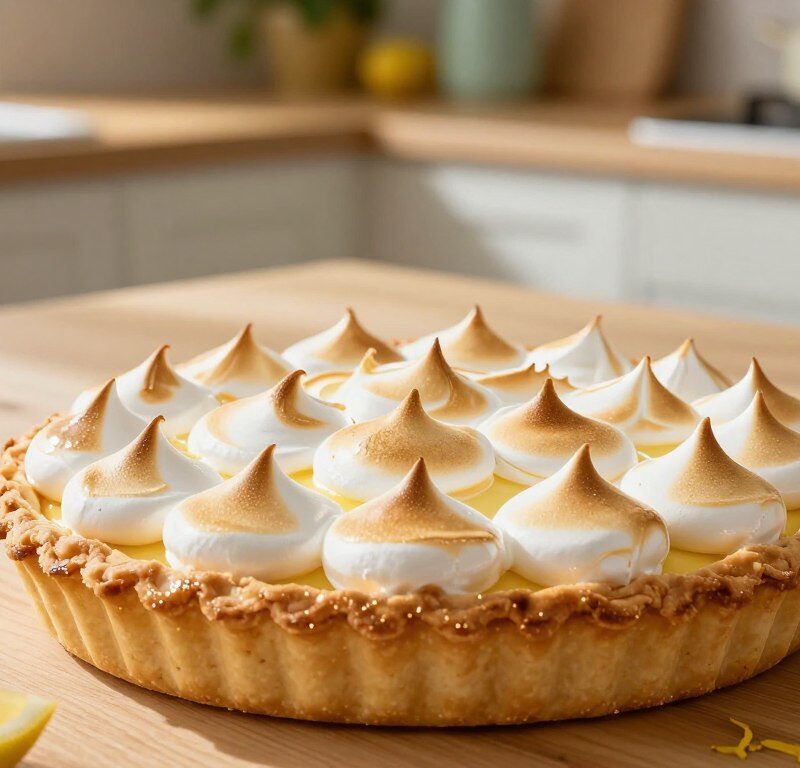
The pastry case is crisp, the lemon curd sharp and bright, and the cloud-like meringue topping feels light against the palate. Combined, these elements make a dessert that looks as good as it tastes.
Following a trusted recipe brings balance between sweet and tart. Careful whisking of egg whites and the right tin help achieve a professional finish.
Why it endures: the method is straightforward, the flavours are clean, and the dish remains a favourite at gatherings across the United Kingdom.
Key Takeaways
- Simple steps produce a show-stopping lemon meringue pie.
- Fresh lemon zest lifts the filling for balanced flavour.
- Well-beaten egg whites yield a silky, stable topping.
- Use the right tin and a crisp pastry case for best results.
- Following a clear recipe gives consistent, professional-looking results.
The Appeal of a Classic Mary Berry Lemon Meringue
A well-made lemon meringue melds tangy curd and billowy topping into a refined dessert.
National Lemon Pie Day on 15 August shows how this pie remains loved across cultures. The sharp citrus filling and sweet foam create a lively contrast that suits birthdays, teas and big family meals.
mary berry has perfected a reliable recipe that home bakers trust. Her methods help achieve consistent results and a professional finish without fuss.
Though some call it an American classic, this dessert is firmly at home in British kitchens. Exploring different recipes highlights why mary berry stays a respected figure in baking.
| Quality | What to look for | Result |
|---|---|---|
| Pastry | Crisp, even bake | Clean slice, no sogginess |
| Filling | Bright citrus, smooth texture | Balanced tang and sweetness |
| Topping | Glossy, stiff peaks | Light, airy finish |
Essential Ingredients and Equipment
Gathering the best ingredients and a few reliable tools sets the stage for perfect baking results. Preparing well reduces stress and improves the final texture of your tart and topping.
Pantry Staples
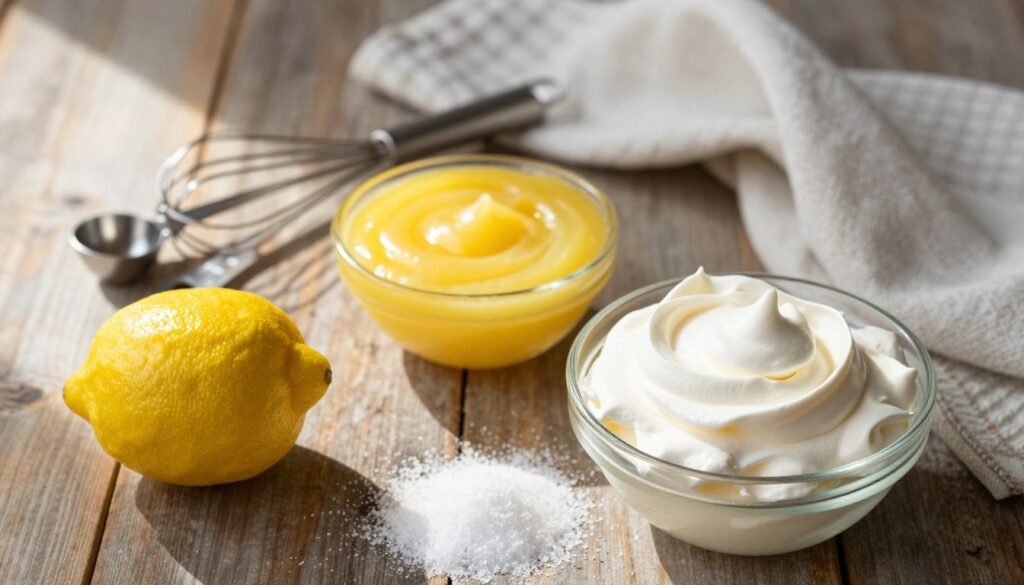
Core ingredients: plain flour, cold butter and icing sugar form the pastry case base.
For the filling, use fresh zest and juice from quality citrus, caster sugar and egg yolks for a silky mixture.
Keep extra icing sugar and a little cornflour handy to adjust texture if needed.
Necessary Tools
Must-haves:
- Deep 23cm (9in) fluted loose-bottomed tart tin to hold the pastry case shape.
- Food processor to make a fine breadcrumb mixture for even pastry.
- Reliable electric hand whisk for the filling and to reach glossy, stable peaks for the meringue.
- Measuring scales, a zester and a small sieve for smooth texture.
Tip: Set aside enough time: chilling, blind-baking and finishing the topping each need a window of attention for best results.
Preparing the Perfect Pastry Case
Good pastry begins with a cool, confident technique. Take time to chill the dough and measure precisely. This helps the tart hold its shape and gives a clean edge when sliced.
Blind Baking Techniques
Preheat your oven to 200°C/180°C Fan/Gas 6 before you begin. Line the pastry case with non-stick baking paper and fill it with baking beans to keep the base flat and crisp.
Chill the pastry in the fridge for at least 30 minutes. Cold pastry resists shrinkage when it hits the hot oven and produces a better texture.
Bake the lined case for 15 minutes. Then remove the paper and beans and return the pastry for another 5–10 minutes until golden.
Using a food processor to mix butter and icing sugar gives a light, crumbly mix before you add the egg. This method improves flakiness and speeds up preparation.
| Step | Action | Why it matters |
|---|---|---|
| Chill | 30 minutes in the fridge | Prevents shrinkage and firms butter |
| Blind-line | Paper and beans | Keeps base flat and crisp |
| Bake | 15 minutes, then 5–10 minutes | Ensures golden, fully cooked base |
| Mixing | Food processor for butter & icing sugar | Light, crumbly pastry before egg |
Crafting the Zesty Lemon Filling
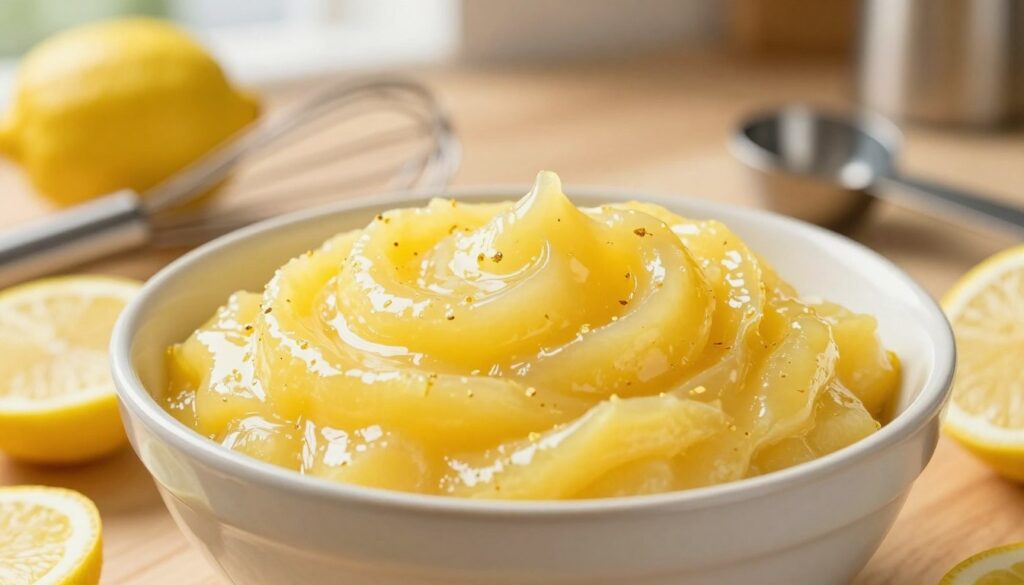
Begin gently and keep the heat steady. In a saucepan, whisk together the zest, juice, caster sugar and cornflour over medium heat until the mixture thickens and turns glossy.
Take the pan off the heat and let it cool for a minute. Beat the egg yolks in a separate bowl, then whisk them quickly into the warm curd to create a rich, smooth custard.
Tip: Pour the filling into your pre-baked pastry case and leave space at the top for the meringue layer. Do not serve while hot; allow time for the filling to set so the slices stay neat.
“Use a cool, clean bowl for the whites – any trace of yolk will stop the topping reaching stiff peaks.”
Keep utensils and baking paper tidy and the oven schedule in mind. Follow the recipe steps and the result will be a bright, balanced filling ready for the light meringue top.
Achieving Fluffy Meringue Peaks
A reliable whisking routine transforms simple egg whites into a resilient, airy topping. Start with a clean, dry bowl and cold whites. This gives a stable base for the sugar to dissolve into.
Whisking to Stiff Peaks
Use a freestanding mixer to beat the whites until soft peaks form. Increase speed steadily until you see defined shapes that hold but still fold slightly.
Tip: Stop early if pockets of liquid remain; the next stage will finish the job.
Incorporating Sugar
Slowly add caster sugar, a spoonful at a time. This gentle method helps the sugar dissolve and creates a glossy, very stiff finish.
This process can take up to 10 minutes. Patience here makes the topping stable and less likely to weep.
“Whisk in a little cornflour at the end to help the peaks keep their shape and hold decorative swirls.”
Creating Decorative Swirls
Spoon the glossy mixture over the filling and use a palette knife to make swirls. Aim for peaks and valleys that will caramelise and brown in the oven.
Bake at 160°C/140°C Fan/Gas 3 for about 35 minutes. The shell should be firm while the centre stays soft.
- Beat whites to soft peaks.
- Add caster sugar slowly until glossy and stiff.
- Fold in a little cornflour, spoon over the filling, and shape swirls.
- Bake until golden—leave to cool slightly before slicing.
| Stage | Action | Result |
|---|---|---|
| Whisking | Start slow, increase speed to stiff peaks | Stable whites ready for sugar |
| Sugar | Add gradually over several minutes | Glossy, stiff top that holds shape |
| Bake & Finish | 160°C/140°C Fan/Gas 3 for ~35 minutes | Golden shell, soft centre |
Conclusion
Mastering the mary berry lemon meringue pie is a rewarding bit of baking that brings a classic British dessert to your table.
This recipe serves 8–10 and works well for family gatherings or afternoon tea. Always let the pie cool for at least 1 hour before removing it from the tin so the filling sets neatly.
You can prepare the tart up to 8 hours ahead, but do not freeze once assembled. Follow the steps for the pastry case, zest, juice and egg yolks to balance sharp curd with sweet topping.
For more show-stopping recipes and technique tips, see a related pavlova guide — mary berry pavlova.
FAQ
What are the essential pantry staples for making this classic tart?
Which tools are necessary to bake a reliable pastry case?
How do I blind bake the pastry without it shrinking or bubbling?
What’s the best way to make a tangy, smooth lemon filling?
How can I whisk egg whites to perfect stiff peaks?
When should sugar be added to the whites for best volume?
What technique makes attractive swirls and peaks on top?
Can I prepare parts of the recipe ahead of time?
How long should the finished tart rest before serving?
Any tips for preventing weeping or weeping meringue?
Can I use a fan oven and what temperature is best?
Are there alternative sweeteners or flour substitutes to try?
What do I do with leftover egg yolks or whites?
Mary Berry Lemon Meringue
A classic British lemon meringue pie recipe by Mary Berry, featuring a crisp pastry case, sharp lemon curd, and a light meringue topping.
Ingredients
- plain flour
- cold butter
- icing sugar
- fresh lemon zest
- fresh lemon juice
- caster sugar
- egg yolks
- cornflour
- egg whites
Method
- Preheat your oven to 200°C/180°C Fan/Gas 6.
- Prepare the pastry by mixing plain flour, cold butter, and icing sugar in a food processor until crumbly.
- Chill the pastry in the fridge for at least 30 minutes.
- Blind bake the pastry case lined with baking paper and baking beans for 15 minutes, then remove the paper and beans and bake for another 5-10 minutes until golden.
- In a saucepan, whisk together lemon zest, lemon juice, caster sugar, and cornflour over medium heat until thickened and glossy.
- Remove from heat and let cool for a minute, then whisk in the beaten egg yolks quickly.
- Pour the lemon filling into the pre-baked pastry case, leaving space for the meringue.
- In a clean bowl, whisk egg whites until soft peaks form, then gradually add caster sugar until glossy and stiff peaks form.
- Fold in a little cornflour, then spoon the meringue over the lemon filling and create decorative swirls.
- Bake at 160°C/140°C Fan/Gas 3 for about 35 minutes until the meringue is golden.
- Allow the pie to cool for at least 1 hour before slicing.