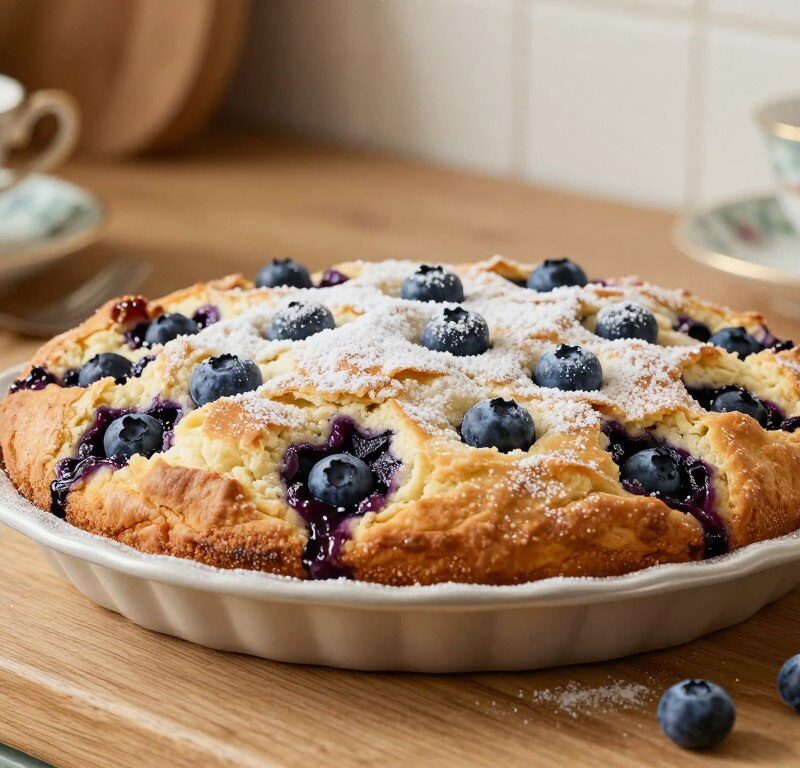
This beloved traybake is a light, moist sponge studded with juicy fruit and baked in one tin for easy sharing. It offers a simple path to a reliable result, making it ideal for bakers of all skill levels.
The recipe keeps steps straightforward and ingredients familiar, so you can focus on texture and flavour rather than fuss. The format promotes even baking and neat portioning, perfect for afternoon tea or a casual weekend gathering.
As a signature mary berry creation, the blueberry traybake strikes a balance between traditional charm and modern ease. Follow the tips that follow and you’ll learn how to keep the sponge soft and evenly flavoured every time.
Key Takeaways
- The traybake is quick and forgiving for novice bakers.
- One-tin baking gives even heat and easy sharing.
- Simple ingredients deliver consistent, soft texture.
- Suitable for afternoon tea or casual treats.
- Clear steps help achieve professional results at home.
Why the Mary Berry Blueberry Traybake is a Classic
One-tin sponges in a rectangular tin offer even heat and fuss-free slices every time. This format is practical for home bakers and keeps the process simple.
The Appeal of Traybakes
Traybakes are prized for consistency. Heat spreads evenly across the tin, so the sponge rises true from edge to centre.
They also save time and tidy up. You get neat portions without complex assembly.
Why Blueberries Work
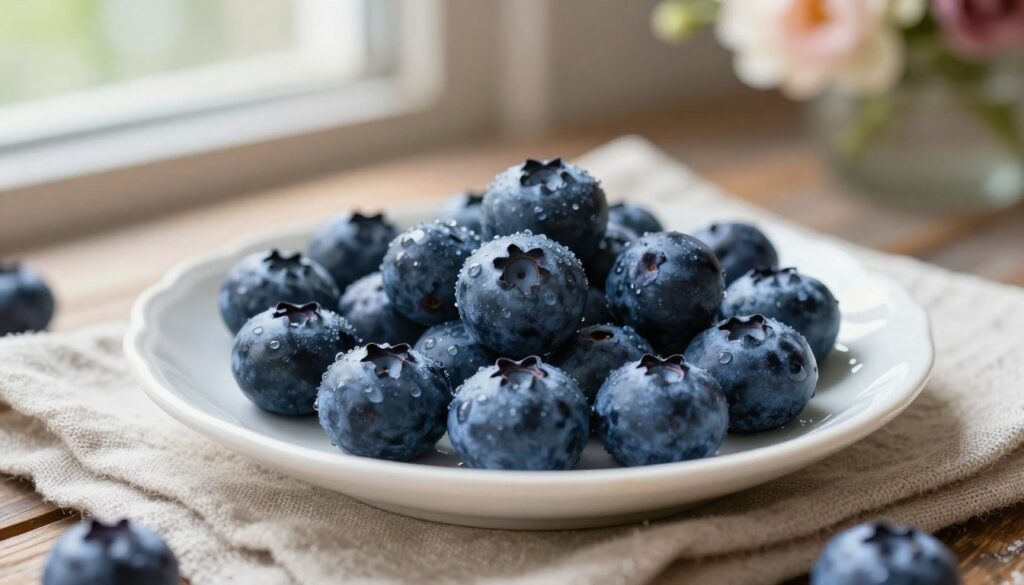
Blueberries—fresh or frozen—are folded into the batter to give juicy pockets through the sponge. Their mild acidity cuts through butter and sugar.
This contrast keeps each slice bright and moist, making the cake versatile for snacks or a smart tea table.
- Consistent results: rectangular tins reduce hotspots and help even rise.
- Fruit bursts: berries add freshness and texture to a soft sponge.
- Versatile serving: simple slice for casual treats or dress up for guests.
| Feature | Benefit | Notes |
|---|---|---|
| Single-layer sponge | Even bake and easy slicing | Ideal for everyday cakes |
| Fresh or frozen blueberries | Juicy bursts and natural acidity | Choose quality fruit for best flavour |
| One-tin method | Less fuss, reliable texture | Favoured in classic recipes by mary berry |
Essential Ingredients for Your Traybake
Start with precise measures and soft room-temperature butter for the most reliable sponge. This list gives the exact quantities so your cake rises and slices neatly.
What you need:
- Unsalted butter — 225 g, softened
- Caster sugar — 225 g
- Eggs — 4 large
- Self-raising flour — 225 g
- Milk — 2 tbsp
- Blueberries — 200 g
- Vanilla extract — 1 tsp
Why these ingredients matter. Equal weights of butter, caster and flour create a balanced crumb. The eggs give structure and lift. A splash of milk loosens the batter to the right consistency.
For an authentic mary berry approach, use room-temperature butter and eggs. This improves emulsification and gives a soft, even texture to the traybake.
Preparing Your Kitchen and Equipment
Start by organising your tools so the baking process runs smoothly from mix to oven. A calm workspace helps you follow timings and avoid mistakes. Lay out measures, spatulas and a reliable thermometer before you begin.
Lining Your Tin
Choose a rectangular tin of about 30 × 20 cm to match the recipe proportions. Mary Berry recommends this size so the sponge cooks evenly from edge to centre.
Preheat the oven to 180°C, or to 160 fan if you use a fan-assisted setting. Double-check the heat with an oven thermometer if you are unsure.
Lining both the base and the sides with good-quality baking parchment is essential. This prevents sticking and lets you lift the whole bake from the tin when it has cooled.
- Use a sturdy metal tin to conduct heat evenly and promote a golden surface.
- Press the parchment into corners so it sits flat against the tray and sides.
- Keep a spare sheet on hand to patch any tears.
The Secret to Perfect Batter Consistency
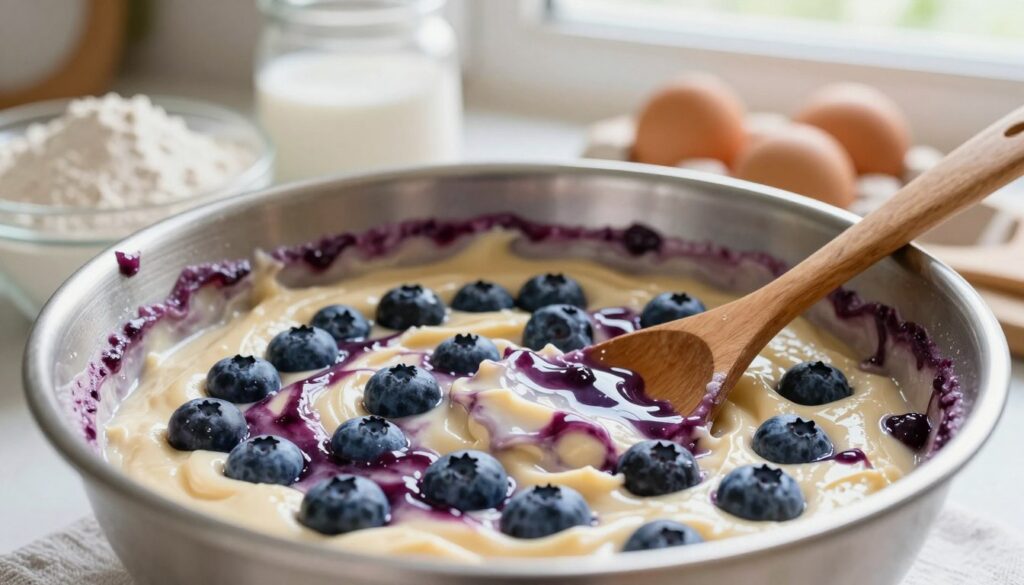
Nailing the right batter texture is the simplest trick to turn a good sponge into an excellent cake. A smooth, even mixture helps the cake rise and gives a tender crumb.
Start by creaming 225g of butter with 225g of caster sugar until pale and fluffy. Use room-temperature butter so the caster and caster sugar blend evenly with the eggs.
Beat the eggs in one at a time. This keeps the mixture stable and well emulsified, which is the secret to a light, airy result.
Gently fold in 225g of self-raising flour to avoid overworking the gluten. Add the milk last to loosen the batter to a pourable consistency that spreads easily in the tin.
A consistent batter also keeps the blueberry suspended rather than sinking. Pay attention to texture and you will get a moist, professional-quality traybake every time.
“A light, well-mixed batter gives even rise and fruit distribution.”
| Step | Why it matters | Tip |
|---|---|---|
| Cream butter & caster sugar | Incorporates air for lift | Beat for 3–5 minutes until pale |
| Add eggs gradually | Maintains emulsion | Mix well between additions |
| Fold in flour & milk | Prevents tough crumb | Fold gently; milk at end |
Layering Techniques for Even Fruit Distribution
Divide-and-layer the batter to stop fruit collecting at the bottom of the tin. Spoon half the mixture into the tray, then scatter half the fruit across the surface.
Cover that layer with the remaining batter and spread gently. This creates a protective barrier so the blueberries stay suspended as the sponge rises.
Lightly dusting the fruit with a little flour before folding or scattering helps too. A thin coating gives the berries grip and reduces sinking during baking.
Work on a level surface. Use a spatula to smooth the batter between layers so the top is even and bakes uniformly.
For best results, use fresh blueberries for juicy pockets and check the distribution visually before the oven. This simple, systematic method gives a consistent bite of fruit in every slice.
| Action | Why it works | Quick tip |
|---|---|---|
| Spoon half batter into tray | Prevents all fruit sinking | Use a small ladle for even spread |
| Scatter half the fruit | Creates even pockets of flavour | Keep fruit in a single layer |
| Coat fruit lightly with flour | Helps berries cling to batter | Use 1 tsp of flour for 200g fruit |
| Smooth top before baking | Ensures uniform rise and colour | Tap the tin gently to remove air pockets |
Baking Your Mary Berry Blueberry Traybake to Perfection
The oven stage transforms batter into a tender sponge. Keep a calm eye on timing and look for clear cues that the bake is done.
Checking for Doneness
Bake the traybake for 35–40 minutes in your preheated oven until the top is golden and springy to the touch. Use the skewer test: insert a skewer into the centre of the cake; it should come out clean or with a few moist crumbs.
The sponge will start to shrink slightly from the sides of the tin. That visual cue, together with a clean skewer, shows the bake minutes are complete and the interior is set.
Cooling in the Tin
Remove the tin from the oven and leave the cake to cool undisturbed for at least 10 minutes. Cooling in the tin allows the crumb to stabilise so the sponge lifts out intact.
- If you use a fan oven, the 160 fan setting helps prevent the edges from browning too fast.
- After the short rest, run a knife around the edge, then lift the cake onto a rack to cool completely.
“A little patience at the finish gives a slice that holds together and cuts neatly.”
Creating the Signature Crunchy Lemon Drizzle
A quick lemon drizzle gives the traybake a lively tang and a delicate sugary crust on the top.
Make the drizzle by stirring granulated sugar with the juice of two lemons until you have a gritty, runny mixture. Use granulated sugar rather than caster sugar; the larger crystals are what create the crisp finish.
Spoon the lemon mix straight over the cake while it is piping hot in the tin. The heat allows the lemon juice to sink into the crumb, while the sugar stays on the surface and forms that signature crunch.
Add a little lemon zest to the drizzle for extra brightness. Do this immediately after baking—once the sponge cools, the drizzle will not soak in properly and the effect is lost.
“A warm lemon pour both flavours and seals a thin, crackly top—simple, fast and striking.”
| Step | Why it matters | Quick tip |
|---|---|---|
| Mix juice with granulated sugar | Creates gritty, crunchy topping | Stir until runny but grainy |
| Pour while cake is hot | Juice soaks in; sugar forms crust | Spoon evenly across the top |
| Add lemon zest | Boosts citrus aroma and flavour | Use finely grated zest, not pith |
For a full lemon-focused recipe, see this lemon traybake guide for more tips and variations.
Essential Tips for Avoiding Sinking Fruit
A few simple tricks will stop berries from sinking and give an even spread of fruit from top to bottom.
Check your oven temperature. A too-cool oven slows the rise and lets heavy fruit drop. Use an oven thermometer so the sponge sets quickly around the pieces.
Toss the blueberries in a little flour before folding them in. This helps the fruit cling to the batter and stay suspended during the bake.
Adjust batter consistency if sinking persists. Reduce the liquid slightly or mix until the batter is thick enough to support moist fruit.
- Layer the batter and berries: spoon half the mix, scatter half the fruit, then add the rest to avoid a fruit-heavy bottom.
- Keep frozen berries straight from the freezer; chilled fruit releases less juice and holds position better during cooking time.
- Use the skewer test in the centre to ensure the sponge has set around the moisture-rich blueberry pockets.
“Small preparation steps make a big difference to an even, juicy slice.”
Adapting the Recipe for Dietary Needs
Adapting recipes for dietary needs is straightforward with the right swaps and a little attention to fat balance. These changes keep the classic texture and let more people enjoy a slice. Below are practical, tested substitutions for a dairy-free version that still bakes up beautifully.
Dairy-Free Alternatives
Swap the butter for a high-quality plant-based baking spread or margarine. Choose a product formulated for baking so it behaves like dairy butter and gives a tender crumb.
Replace the milk with almond, oat or soy milk to retain moisture. Use the same volume called for in the original recipe.
Match fat content. Ensure the dairy-free butter has similar fat percentage to regular butter. This keeps the sponge light and prevents a dense result.
Label-checking matters. If baking for someone with a severe allergy, always confirm ingredients are certified dairy-free and made in a suitable facility.
- Modern baking spreads are designed to emulate butter in both melt and creaming behaviour.
- Use chilled plant spreads as you would butter when creaming with sugar.
- Minor tweaks to mixing time can help the batter hold fruit and rise evenly.
“With these simple swaps you can create dairy-free traybakes that taste and feel like the original.”
Creative Variations to Try at Home
Experimenting with citrus, nuts or different fruits can lift this recipe into something new.
Add a lemon zest to the batter for a bright citrus lift. A teaspoon of finely grated zest works well with the sugar and butter.
Swap the berries for raspberries if you want a sharper, more vibrant cake. Serve with a dollop of cream for contrast.
For a nutty crumb, replace up to a quarter of the flour with ground almonds. This gives extra depth and a tender texture.
If you increase the amount of fruit, toss the pieces in a little flour first to stop them sinking during bake minutes.
- Add 1 tbsp milk or 1 tsp baking powder when using alternative flours to help the rise.
- Adjust sugar to taste if you use sweeter fruit or more zest.
These small swaps let you customise the traybake to ingredients on hand or to suit guests. Keep proportions similar and the basic method the same for reliable results.
“A few thoughtful changes can turn a familiar recipe into a new favourite.”
Best Practices for Storing and Freezing
How you store and reheat slices makes a big difference to texture and flavour. Keep the cake completely cool before packing it away. Warmth traps moisture and will soften the sugar topping.
Freezing Individual Slices
Wrap each slice tightly in foil or cling film to avoid freezer burn. Place wrapped pieces in a rigid, freezer-safe tin or container for extra protection.
Label with the date so you can track how long each portion has been stored. For best quality, use within 2–3 months.
Reheating Methods
Thaw slices at room temperature for about an hour. If you prefer warm cake, heat gently in a low oven for a few minutes.
Set the oven to a low temperature and check after a short time so the sugar crust and lemon drizzle do not burn.
- Store your traybake in an airtight tin at room temperature for up to 3 days.
- In warmer climates, refrigerate to preserve texture and freshness.
- The lemon drizzle and crunchy sugar topping stay best when kept dry; humidity will soften them.
“Always make sure the sponge is fully cool before storing to avoid condensation and a soggy crumb.”
Small care with cooling, wrapping and gentle reheating will keep your baking tasting as intended. A little attention to storage preserves the butter-rich crumb and bright lemon notes in every slice.
Serving Suggestions for Afternoon Tea
Cutting the sponge into uniform sticks turns a simple cake into refined tea-room fare.
Serve the pieces as neat fingers so each guest can pick up a tidy portion. This presentation suits a traditional afternoon tea and makes passing plates easy.
Top a few fingers with a small spoonful of lightly whipped cream or plain Greek yogurt. The cool cream balances the zesty lemon drizzle and the sweet bursts of blueberries.
For a warmer option, present a square of the cake with a drizzle of custard or a scoop of vanilla ice cream. A light dusting of icing sugar and a few threads of lemon zest lift the look.
Pairing matters: the tart, fruity notes suit a cup of Earl Grey or an iced lemonade. These simple choices make the baking feel like a special occasion.
“Thoughtful plating and small accents turn everyday baking into a memorable tea-service.”
| Serving | Why it works | Quick tip |
|---|---|---|
| Uniform fingers | Easy to handle; elegant look | Cut with a sharp serrated knife |
| Whipped cream or yogurt | Balances sweetness and acidity | Serve chilled in small dollops |
| Warm square with custard | Comforting, indulgent option | Heat briefly to keep texture |
| Finish with sugar & zest | Enhances aroma and visual appeal | Dust just before serving |
- Tip: Keep presentation simple; let the fruit and sugar shine.
- Note: Gentle reheating improves texture for serving warm.
Conclusion
A careful mix, steady oven time and a well‑lined tin make home baking straightforward. Follow the method and the clock, and the sponge will rise true with juicy pockets of fruit.
This recipe captures the spirit of Mary Berry while staying simple enough for beginners. Spend a little time on ingredient quality and gentle mixing and you will have a dependable blueberry traybake to share.
Whether you are new to the oven or enjoy regular baking, these recipes and tips help you perfect traybakes and cakes with confidence. Enjoy the cooking and the company you feed.
FAQ
What oven temperature should I use for this traybake?
Which tin size is best for this recipe?
Can I use frozen fruit instead of fresh?
How do I stop the fruit sinking to the bottom?
What butter and flour work best?
How long should it bake and how do I check doneness?
Can I make the traybake dairy-free or vegan?
What is the best way to cool and slice the cake?
How do I make a lemon drizzle topping with a crunchy finish?
Can I freeze the slices and how should I reheat them?
Any ideas for creative variations?
What are top tips for preparing the batter consistently?
How should I serve this traybake for afternoon tea?
Mary Berry Blueberry Traybake
A light, moist sponge studded with juicy blueberries, baked in one tin for easy sharing. Ideal for bakers of all skill levels, this traybake offers a reliable result with simple ingredients and straightforward steps.
Ingredients
- 225 g unsalted butter, softened
- 225 g caster sugar
- 4 large eggs
- 225 g self-raising flour
- 2 tbsp milk
- 200 g blueberries
- 1 tsp vanilla extract
Method
- Preheat the oven to 180°C (160°C fan).
- Line a rectangular tin (30 x 20 cm) with baking parchment.
- Cream the softened butter and caster sugar together until pale and fluffy.
- Add the eggs one at a time, mixing well after each addition.
- Gently fold in the self-raising flour until just combined.
- Add the milk and vanilla extract, mixing until the batter is smooth.
- Spoon half of the batter into the prepared tin and spread evenly.
- Scatter half of the blueberries over the batter.
- Top with the remaining batter and smooth the surface.
- Scatter the remaining blueberries on top.
- Bake in the preheated oven for 35-40 minutes, or until golden and a skewer comes out clean.
- Allow to cool in the tin for 10 minutes before transferring to a wire rack to cool completely.